
Lawn
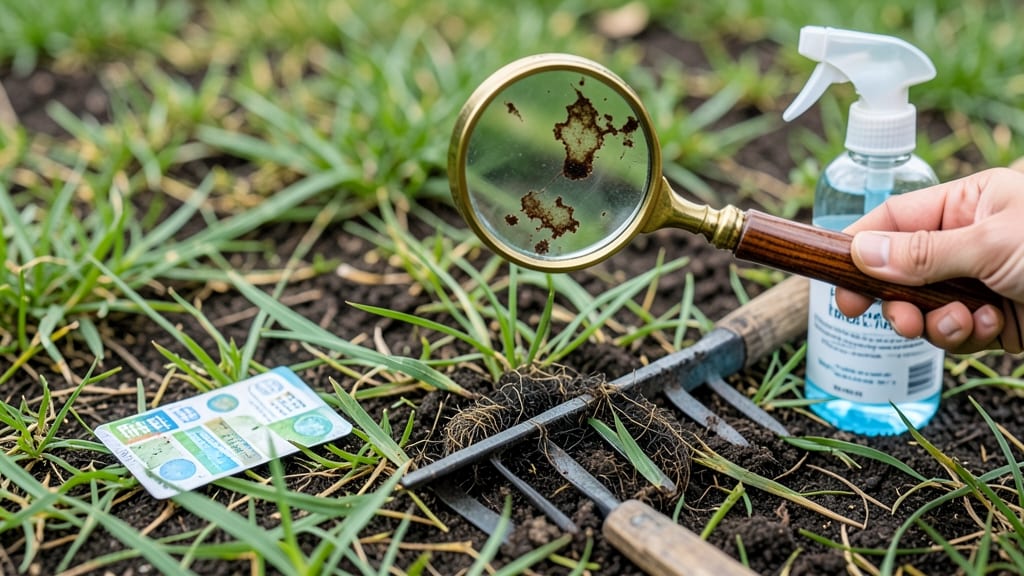
Those mysterious dark green patches on your lawn aren’t just unsightly—they’re a sign your grass is fighting something. I’ve battled this exact problem in my own yard, and the baking soda fix saved my lawn from looking like a science experiment gone wrong.
The culprit? Often fungal blight or moss thriving where sunlight and air can’t reach.
Most people blame overwatering or poor soil, but the real issue is usually excess moisture combined with dense thatch that smothers grass roots. I learned the hard way that skipping aeration and using too much fertilizer can turn your lawn into a fungal buffet.
The good news? A simple baking soda spray (mixed with water and a drop of dish soap) can restore that vibrant green in just a few weeks.
By the end of this, your lawn will look uniformly lush again—no more splotchy mysteries. The secret is balancing water, sunlight, and occasional treatments. I’ve seen patches go from slimy and dark to bright green in under 10 days with the right approach.
Let’s get your grass back to its best.
This works for cool-season grasses (like Kentucky bluegrass) and even stubborn moss patches. The key is consistency—don’t expect miracles overnight, but with patience, your lawn will thank you. Ready to fix it for good?
The Hidden Causes Behind Grass Patches
Those unsightly dark green patches on your lawn aren’t just an aesthetic nuisance—they’re often a sign of underlying issues. Understanding the root causes helps you tackle the problem effectively.
Below, we break down the most common culprits, from fungal infections to environmental stressors, and explain why they turn your grass into a patchwork of discoloration.
Fungi thrive in warm, damp conditions, and your lawn can become their perfect breeding ground. Dark green patches often signal fungal blight or dollar spot disease, which weaken grass blades and create irregular, circular discoloration.
- Why it happens: Fungi like Sclerotinia homoeocarpa (dollar spot) or Rhizoctonia solani (brown patch) spread when humidity stays high (above 70%) for extended periods, especially in late spring or summer.
- Key triggers:
- Overwatering or poor drainage (keeps soil soggy).
- Thatch buildup (traps moisture and fungal spores).
- Weak or stressed grass (from drought, poor soil, or compacted roots).
- How to spot it: Look for dark, velvety patches that spread quickly, often with a "smoky" appearance in the morning dew.
Grass needs water, but too much of a good thing can suffocate roots and invite fungal growth. Dark green patches may actually be a sign of waterlogged soil, where oxygen is starved from the roots, leading to stress and discoloration.
- Why it happens: Clay-heavy soil or compacted ground prevents water from draining, creating anaerobic (oxygen-poor) zones. This stresses grass, making it susceptible to disease and turning patches dark green or even grayish.
- Key triggers:
- Heavy rainfall followed by no dry spell.
- Irrigation systems set on timers without soil checks.
- Low-lying areas where water pools.
- How to spot it: Patches appear soft or spongy underfoot, and the grass may pull up easily if tugged.
Grass is resilient, but sudden temperature swings—whether scorching heat or a hard freeze—can shock your lawn into developing dark patches. This is often environmental stress, not a disease, but it weakens the grass enough to attract pests or fungi.
- Why it happens: Grass blades wilt or turn dark when they can’t regulate moisture loss during heatwaves. Cold snaps can also damage cell structures, leading to discoloration.
- Key triggers:
- Prolonged heat above 90°F (32°C) without rain.
- Early or late frosts when grass is still dormant.
- Lack of shade in sunny areas.
- How to spot it: Patches may feel dry or crispy to the touch, with no signs of fungal growth (like mold or spores).
Dark green patches can sometimes be a sign of over-fertilization, particularly with nitrogen. While nitrogen promotes growth, excessive amounts can burn roots, leading to uneven color and weakened grass.
- Why it happens: High nitrogen levels (from synthetic fertilizers or organic sources like compost) can create "hot spots" where grass grows faster than it can absorb nutrients, leading to dark, almost blackened patches.
- Key triggers:
- Applying fertilizer without soil testing.
- Using fast-release nitrogen sources in hot weather.
- Overusing "weed and feed" products.
- How to spot it: Patches appear darker than the rest of the lawn but may also show signs of stunted growth or yellowing at the edges.
Grass isn’t the only thing suffering in your lawn—insects like grubs, chinch bugs, or sod webworms can munch on roots and blades, leaving behind dark, irregular patches.
- Why it happens: Insects like Cyclocephala grubs (June beetle larvae) feed on roots, while chinch bugs pierce blades to suck out sap. This stress causes grass to turn dark green or brown as it struggles to recover.
- Key triggers:
- Dry, compacted soil (attracts chinch bugs).
- Overwatered lawns (grubs thrive in moist soil).
- Previous lawn damage (weak spots invite pests).
- How to spot it: Look for wilted or thinning grass, especially in high-traffic areas, or small holes in the soil (where grubs are feeding).
Revive Your Lawn’s Vibrancy
Dark, splotchy patches of grass can turn your lawn from a lush green paradise into a frustrating eyesore—but the good news is, most causes have simple fixes. Below, we’ve mapped out actionable solutions tailored to the root of your problem, along with prevention tips to keep your lawn thriving.
Let’s get your grass back to its happy, healthy self! 🌱
If your lawn’s dark patches feel spongy, have a musty smell, or spread quickly, a fungal infection is likely the culprit. Baking soda (yes, the kitchen staple!) is a natural, effective remedy, but you’ll also need to adjust care habits to prevent recurrence.
How to Treat It
- 🔥 Apply a Baking Soda Spray Mix 1 tablespoon of baking soda with 1 gallon of water in a spray bottle. Lightly mist the affected areas in the early morning or evening (avoid direct sunlight).
Repeat every 3–5 days until the patches fade. Why it works: Baking soda raises the pH, creating an inhospitable environment for fungi.
- 🍳 Improve Airflow & Drainage
- Aerate your lawn (rent a core aerator or use a garden fork) to reduce compaction and help water drain.
- Thin out thick grass in shaded or damp areas where fungi love to hide.
- Rake up thatch (the layer of dead grass between soil and blades) to prevent moisture buildup.
- 👨🍳 Adjust Watering Habits
- Water deeply 2–3 times per week (early morning) instead of daily light sprinkles.
- Avoid overhead watering; use soaker hoses or drip irrigation to keep foliage dry.
- Never water at night—fungi thrive in damp, dark conditions.
- 🌡️ Boost Fungal Resistance
- Fertilize with nitrogen (like a slow-release 30-0-4) to strengthen grass roots.
- Avoid over-fertilizing—too much nitrogen makes grass soft and fungus-prone.
- Apply a fungicide (like copper-based or neem oil sprays) if the problem persists.
💡 Prevention Tips
- Mow high (3–4 inches) to shade the soil and reduce stress.
- Remove leaf litter from the lawn—it traps moisture and fungi.
- Test your soil (pH 6.0–7.0 is ideal for most grasses). Acidic soil (pH <5.5) encourages fungal growth.
If the dark patches feel soggy or appear after heavy rain, your lawn may be drowning in excess moisture. Poor drainage or overwatering suffocates grass roots and invites disease.
How to Fix It
- ⏰ Reassess Your Watering Schedule
- Check soil moisture before watering—stick your finger 2 inches deep. If it’s damp, skip watering.
- Use a rain gauge to track weekly rainfall (1–1.5 inches is enough for most lawns).
- 🔪 Improve Soil Drainage
- Add organic matter: Spread 2–3 inches of compost or sand (for sandy soils) and lightly rake into the top layer.
- Create swales (shallow trenches) to redirect water away from low spots.
- Install French drains in chronically wet areas (DIY kits are available).
- 🌱 Choose Drought-Tolerant Grass
- If your lawn is Kentucky bluegrass or fescue (water-loving types), consider overseeding with tall fescue or buffalo grass, which handle moisture better.
🎯 Prevention Tips
- Avoid walking on wet grass—it compacts soil and worsens drainage.
- Level low spots with a mix of topsoil and sand (50/50 ratio).
- Use a lawn roller after aerating to help water penetrate evenly.
A thick layer of thatch (dead grass, roots, and debris) or hard, compacted soil blocks water, air, and nutrients, leading to weak, dark patches.
How to Fix It
- 🍳 Dethatch Your Lawn
- Rent a thatched rake or vertical mower and remove ½ inch or less of thatch. Don’t overdo it—too much can harm roots!
- Best time: Late spring or early fall when grass is actively growing.
- 🔪 Aerate Compacted Soil
- Core aeration (removing small soil plugs) is the gold standard. Do this once a year in spring or fall.
- For small areas, use a garden fork to poke holes every 3–4 inches.
- 🌱 Top-Dress with Sand or Compost
- Spread a ¼-inch layer of coarse sand (for sandy soils) or compost over the lawn, then lightly rake in.
- Avoid clay-heavy soils—mix in perlite or vermiculite to improve texture.
✨ Prevention Tips
- Leave grass clippings after mowing (they decompose into natural fertilizer).
- Avoid heavy foot traffic on wet lawns—wear shoes with wide soles to distribute pressure.
- Mow regularly (never remove more than ⅓ of the blade height at once).
Dark, dull patches can signal iron deficiency (common in alkaline soils) or a lack of nitrogen, phosphorus, or potassium.
How to Treat It
- 📊 Test Your Soil
- Grab a DIY soil test kit ($10–$20) or send a sample to your local Cooperative Extension Service for a detailed report.
- Fix pH issues:
- Acidic soil (high pH): Add sulfur or peat moss.
- Alkaline soil (low pH): Sprinkle iron sulfate or chelated iron for a quick green-up.
- 💪 Fertilize Smartly
- For nitrogen deficiency: Use a quick-release fertilizer (like ammonium sulfate) or compost tea.
- For slow growth: Apply a balanced fertilizer (10-10-10) in early fall.
- For weak roots: Choose a low-nitrogen, high-phosphorus option (5-10-10).
- 🍎 Boost Microorganisms
- Spread mycorrhizal fungi (available as a powder) to improve nutrient uptake.
- Aerate before fertilizing so nutrients reach the roots.
🔥 Prevention Tips
- Fertilize in seasons of active growth (spring/fall for cool-season grasses; late spring/summer for warm-season).
- Avoid synthetic fertilizers if possible—opt for organic options (like bone meal or kelp meal) for slow, steady feeding.
- Overseed bare spots with clover or microclover to naturally enrich soil with nitrogen.
If the dark patches pull up easily or you see chewed blades, grubs or other pests may be munching on your lawn’s roots.
How to Fix It
- 🔪 Inspect for Grubs
- Dig up a 3-inch square of sod. If you see white, C-shaped larvae, you’ve got grubs!
- Treat with milky spore (a natural bacteria) or beneficial nematodes for organic control.
- 🍳 Apply Granular Insecticide
- Use imidacloprid or neem oil-based granules and water thoroughly into the soil.
- Reapply every 4–6 weeks during grub season (late summer/early fall).
- 🌱 Encourage Natural Predators
- Birds, toads, and moles love grubs! Install a birdbath or wildlife-friendly garden nearby.
🎯 Prevention Tips
- Avoid overwatering—grubs thrive in moist soil.
- Mow high (3+ inches) to deter pests.
- Rotate treatments
Frequently asked questions
Why do some dark green patches feel spongy while others stay firm?
Spongy patches usually indicate fungal infection or waterlogged soil, where roots can't absorb oxygen. Firm patches may signal nutrient overload (like excess nitrogen) or compaction. Test by pressing your thumb into the soil—if it springs back slowly, it's likely fungal or soggy. If it feels hard, check your fertilizer habits.
Can I use vinegar to treat dark green patches caused by moss?
Yes, but use it carefully! A 1:1 vinegar-water solution (applied with a spray bottle) kills moss and raises soil pH to deter regrowth. However, avoid overapplying—vinegar can harm grass if used too strongly. Spot-treat mossy areas in early morning and water lightly afterward to rinse excess.
How often should I aerate my lawn to prevent dark patches?
For most lawns, once a year (spring or fall) is ideal, but high-traffic areas may need twice-yearly aeration. Focus on compacted zones where dark patches appear. Use a core aerator for best results—it removes small soil plugs to improve drainage and root access.
Will overseeding fix dark patches caused by grubs?
Not directly—you must first treat the grubs with beneficial nematodes or milky spore. Once the pests are gone, overseeding with tall fescue or ryegrass can restore the lawn. Choose disease-resistant varieties to prevent future issues. Time it right: overseed in early fall for cool-season grasses.
Can I use baking soda if my soil is already alkaline?
No—baking soda raises pH further, worsening alkaline conditions. Instead, focus on improving drainage and using chelated iron (for dark patches) or mycorrhizal fungi to boost root health. Test your soil first (ideal pH: 6.0–7.0 for most grasses).