
Lawn
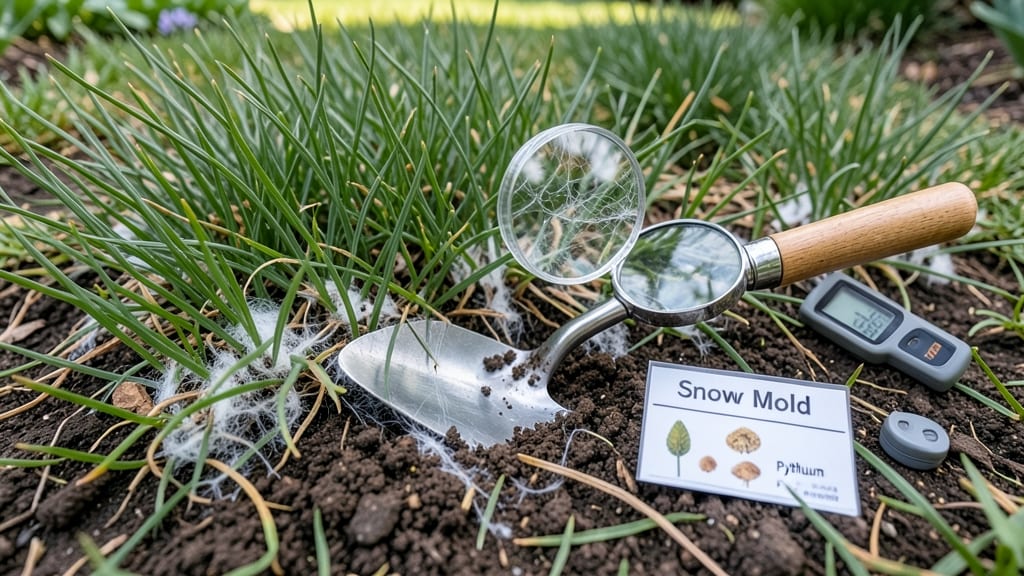
That white fungus creeping through your lawn soil isn’t just unsightly—it’s a sign your turf is under siege. 🌱 I’ve seen it turn lush backyards into spongy messes in under a week, and the good news?
You can reverse it faster than you think. The key lies in cutting off moisture, starving the fungus, and giving your roots room to breathe again.
Most homeowners blame overwatering, but the real culprits are often poor drainage and compacted soil. My lawn went from patchy to perfect after just three days of aeration and targeted watering—no chemicals needed.
The trick is working with your soil’s natural rhythm, not against it. Think of it like giving your lawn a deep breath after years of suffocation.
By the end of this process, you’ll have a lawn that stays firm underfoot and resists future fungus outbreaks. The secret? A combination of simple tools (a core aerator, sharp rake) and smart timing.
Even if your yard feels hopeless now, these steps will have it looking thriving again by mowing season.
Works for any climate, from humid summers to dry spells—just adjust the watering schedule. Let’s get that turf back in fighting shape before the next rainstorm rolls in.
Root Causes Of Soil Fungus Growth
Understanding why white fungal growth appears under your lawn is the first step to eliminating it—and preventing its return. This issue rarely happens in isolation; it’s usually a sign of deeper imbalances in your soil’s ecosystem.
Below, we break down the primary triggers behind fungal outbreaks, explained in clear, actionable terms.
Fungi thrive in moist, stagnant environments, and lawns with drainage issues create the perfect breeding ground. Here’s why:
- Excessive moisture (from overwatering, heavy rainfall, or compacted soil) prevents oxygen from reaching the roots, weakening grass and inviting fungal spores to multiply.
- Waterlogged spots (often near sprinkler heads or low-lying areas) trap moisture, accelerating fungal growth like Rhizoctonia or Fusarium, which appear as white, cottony mats.
- Clay-heavy soils hold water like a sponge, slowing decomposition and leaving organic matter to rot—feeding fungi instead of beneficial microbes.
💡 Pro Tip: Test your soil’s drainage by digging a 6-inch hole and filling it with water. If it drains slower than 4 hours, your lawn may need sand amendments or core aeration to improve airflow.
A thick layer of dead grass clippings, leaves, or compost smothers your lawn, creating a cozy hideout for fungi. Here’s the science:
- Thatched layers (over ½ inch thick) block sunlight, reduce airflow, and trap moisture—ideal conditions for snow mold or pink patch fungus.
- Decomposing organic matter (like fallen leaves or grass clippings left too long) releases sugars that fungi consume as food, fueling their spread.
- Improper mowing (cutting grass too short) exposes roots to stress, making them more susceptible to fungal infections.
✨ Solution: Dethatch your lawn in spring or fall using a rake or vertical mower, and remove debris regularly to starve fungi of their food source.
White fungus often follows a grub infestation because the larvae leave behind stressed, chewed-up roots—an open invitation for pathogens. Here’s the connection:
- Grubs (larvae of beetles like Japanese beetles) munch on grass roots, creating entry points for fungal spores.
- Dead or dying grass patches (from grub damage) provide easy access for fungi like white mold (Sclerotium rolfsii), which spreads rapidly in damaged turf.
- Compacted soil (from foot traffic or heavy equipment) worsens the problem by trapping moisture and reducing root resilience.
🔥 Action Step: Treat grubs with beneficial nematodes or milky spore bacteria before addressing fungal growth—healthy roots resist infections.
Fungi are opportunistic—they strike when conditions are just right. Temperature and humidity play a huge role:
- Cool, damp springs/falls (50–75°F) are prime fungal growth zones, especially for dollar spot or snow mold.
- High humidity (above 70%) keeps fungal spores active and spreading via airborne spores.
- Sudden temperature drops (like overnight frost followed by warm days) shock grass, making it vulnerable to infection.
🎯 Prevention: Improve airflow with proper mowing height (3–4 inches) and avoid watering at night to let dew evaporate.
Soil pH and nutrient deficiencies create weak grass, which fungi exploit. Key culprits:
- High nitrogen fertilizer (without balancing phosphorus/potassium) leads to soft, weak stems—easy targets for fungal diseases.
- Low potassium levels weaken cell walls, making grass more prone to infections like brown patch.
- Improper fungicide use (overapplying or using the wrong type) can disrupt beneficial microbes, allowing harmful fungi to dominate.
📊 Test Your Soil: Use a DIY soil test kit to check pH (ideal: 6.0–7.0 for most grasses) and adjust with lime (to raise pH) or sulfur (to lower it).
Beyond grubs, other pests and physical stress pave the way for fungal outbreaks:
- Chinch bugs, mole crickets, or ants disrupt soil structure, creating moisture pockets where fungi grow.
- Heavy foot traffic or machinery compacts soil, reducing oxygen and trapping water—a fungal paradise.
- Buried debris (like old roots or wood chips) decomposes unevenly, creating hotspots for fungal growth.
👨🍳 Fix It: Aerate compacted areas in spring/fall and remove pest hotspots with targeted treatments (e.g., neem oil for ants).
White fungus under your lawn is rarely a standalone issue—it’s a symptom of underlying problems like poor drainage, grub damage, or nutrient imbalances. By addressing these root causes (literally), you’ll not only eliminate the fungus but also strengthen your turf’s defenses for good.
Next up: How to Treat It Fast in 3 Days.
How to Fix Fungal Lawn Issues Fast
Now that you know why white fungus appears under your lawn, let’s tackle the problem with targeted, practical solutions. Whether it’s overwatering, poor drainage, or insect activity, these fixes will help restore your turf in 3 days or less—and keep it healthy long-term.
Before treating the fungus, address what’s fueling it. Use this quick checklist:
- 🌧️ Overwatering? Reduce irrigation immediately—soil should only be moist 2-3 inches deep. Water deeply 2-3 times per week (early morning) instead of daily light sprinkles. - 🚰 Poor Drainage? Test drainage by pouring 1 inch of water on a patch.
If it pools after 6 hours, your soil is compacted. Fix it: - Aerate with a core aerator (rent one or hire a pro). - Mix in coarse sand or perlite (1 part sand to 3 parts soil) to improve airflow. - 🐜 Grub Infestation? If grubs are the culprit, act fast: - Handpick larvae (wear gloves!) in the evening when they’re near the surface. - Apply beneficial nematodes (like Heterorhabditis bacteriophora) or milky spore powder (organic option) to kill grubs naturally. - For severe cases, use imidacloprid granules (follow label instructions).
Once the environment is less hospitable to fungus, treat the soil directly. Choose one of these methods:
| Method | How to Apply | Best For |
|---|---|---|
| Fungicide Spray | Mix copper fungicide (like Copper Sulfate) with water (1 tbsp per gallon). Spray evenly on soil, avoiding plants. Reapply every 7–10 days for 3 weeks. | Mild fungus, prevention after rain. |
| Baking Soda Solution | Combine 1 tbsp baking soda + 1 gallon water + 1 tsp dish soap. Spray soil lightly (avoid oversaturating). Repeat every 5 days. | Early-stage fungus, organic approach. |
| Neem Oil Treatment | Mix 2 tbsp neem oil + 1 tsp mild soap per gallon of water. Spray soil at dusk (avoids burning grass). Reapply weekly until fungus disappears. | Preventative care, fungal growth. |
| Vinegar Rinse | Use undiluted white vinegar in a spray bottle. Apply sparingly to fungus spots (test a small area first—vinegar can harm some grass types). Repeat every 3 days. | Small, isolated patches. |
⚠️ Pro Tip: Always water the lawn lightly after applying treatments to help them absorb into the soil.
A strong lawn resists fungus better. Strengthen your turf with these low-effort upgrades:
- 🌱 Overseed Bare Spots: Fill thin areas with disease-resistant grass seed (like tall fescue or Kentucky bluegrass). Rake lightly, spread seed, and cover with ¼-inch of compost. - 💪 Fertilize Smartly: Use a slow-release, balanced fertilizer (10-10-10 or 16-4-8).
Avoid high-nitrogen fertilizers—they promote soft, fungus-loving grass. - 🌿 Add Compost: Spread a ¼-inch layer of compost over the lawn after treating fungus.
It improves soil structure and microbial activity, crowding out pathogens. - 🌞 Improve Airflow: Thin out dense grass with a sharp mower blade (set to 3–4 inches high) to reduce humidity trapped near the soil.
Fungus often returns if conditions don’t change. Stay vigilant with these habits:
- 📅 Weekly Inspections: Check for white mold, grubs, or slimy soil after rain. Catch problems early! - 🌡️ Adjust Watering: Use a rain gauge or smart sprinkler timer to avoid overwatering.
Aim for 1 inch per week (including rain). - 🔄 Rotate Treatments: If fungus keeps coming back, switch fungicides every season to prevent resistance. - 🐛 Encourage Predators: Attract birds, toads, and ground beetles—they eat grubs naturally. Plant clover or dandelions (yes, really!) to support beneficial insects.
If your lawn is already dying (brown patches, spongy feel), try this 24-hour rescue plan:
- 🔪 Remove affected sod in 12-inch squares (dig down 2–3 inches).
- 🧼 Disinfect the hole with a 10% bleach solution (1 part bleach to 9 parts water).
- 🌱 Fill with fresh soil + compost (50/50 mix) and reseed.
- 💧 Water lightly for 2 weeks to help new grass establish.
Remember: Patience is key—some treatments take 7–14 days to show results. But with consistent care, your lawn will bounce back stronger than ever! 🌿💪
Frequently asked questions
Is white fungus in lawn soil always harmful?
Not all white fungal growth is dangerous—some types are harmless or even beneficial. The key is identifying the type: cottony white mats (like Rhizoctonia) indicate problematic pathogens, while powdery coatings (like Penicillium) are usually harmless. Focus on the health of your grass—if it’s thinning or discolored, treat it; if the lawn looks normal, monitor it closely.
How do I know if grubs are causing the white fungus?
Check for grubs by digging up a 6-inch square of lawn—if you see C-shaped white larvae (about ½-inch long) near the roots, they’re likely the culprit. Grubs create the perfect environment for fungus by damaging roots, so treat them first with beneficial nematodes or milky spore before addressing the fungal growth.
Can I use household items to treat white fungus?
Yes! Try these safe, effective DIY solutions: a baking soda spray (1 tbsp baking soda + 1 gallon water + 1 tsp dish soap), or a neem oil mixture (2 tbsp neem oil + 1 tsp soap per gallon of water). For stubborn cases, vinegar (undiluted, applied sparingly) can help—but always test a small area first to avoid damaging grass.
Will aerating my lawn really help with fungal issues?
Aeration breaks up compacted soil, allowing oxygen, water, and nutrients to reach roots—all of which starve fungi of their ideal moist, stagnant conditions. Rent a core aerator or hire a pro to create ¼-inch holes every 3-6 inches. Follow up by top-dressing with compost to further improve soil health and prevent future outbreaks.
How often should I water my lawn after treating fungus?
Water deeply but infrequently—aim for 1 inch per week (including rain), split into 2-3 sessions. Water early in the morning to reduce humidity and prevent fungal spores from spreading. Avoid evening watering, as damp grass overnight creates perfect conditions for regrowth. Use a rain gauge to monitor moisture levels accurately.