
Fertilization
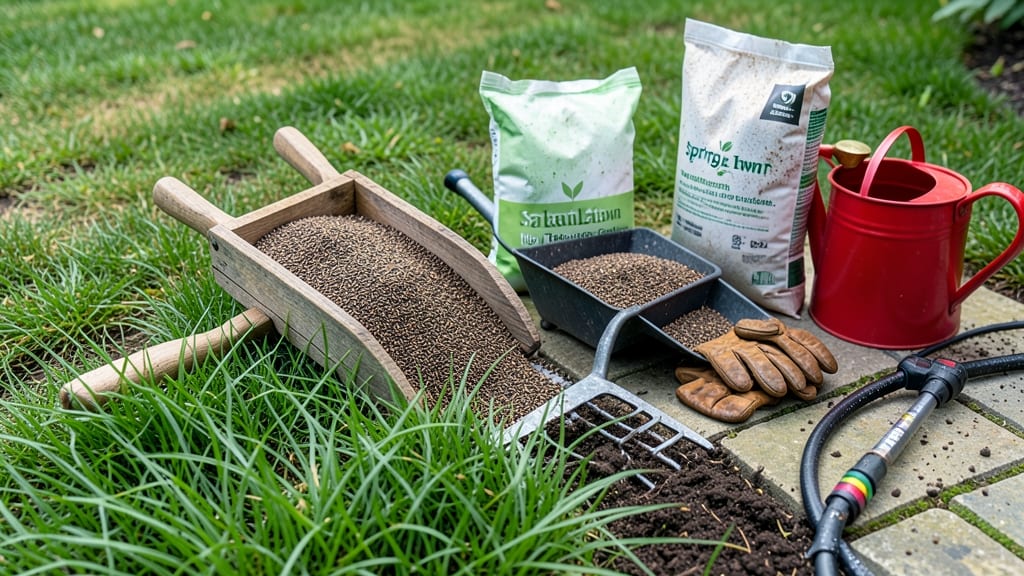
When to seed and fertilize lawn in spring depends on your climate and grass type: cool-season grasses like Kentucky bluegrass need seeding in early spring (March–April) when soil temps are 50–60°F, while warm-season grasses like Zoysia should wait until late spring (April–May) when soil reaches 65°F+. Always prep soil first by aerating and testing pH before applying starter fertilizer.
Timing matters because grass seeds germinate best within specific temperature ranges—too cold or too hot, and they won't sprout properly. 🌱 For cool-season grasses, early spring gives seedlings time to establish roots before summer heat, while warm-season varieties need warmer soil to activate their growth hormones.
I've seen firsthand how a few weeks' difference can mean the difference between a lush lawn and patchy, weak growth.
Before seeding, soil prep is just as critical as timing. Aeration loosens compacted soil, letting roots penetrate deeper, while testing pH helps you adjust acidity or alkalinity—most grasses prefer a neutral 6.0–7.0 range.
I always recommend using a starter fertilizer with higher phosphorus (like 5-10-5) to boost root development, but never overdo it—too much nitrogen early can burn tender seedlings.
💡 In This Article
- Spring Lawn Seeding and Fertilizing Timing by Grass Type and Climate
- Step-by-Step Spring Lawn Prep: Soil Testing, Aeration, and Fertilizer Application
Spring lawn seeding and fertilizing timing by grass type and climate
The perfect timing for seeding and fertilizing your lawn in spring hinges on two critical factors: your local climate zone and the type of grass you're growing.
Cool-season grasses like tall fescue or Kentucky bluegrass germinate best when soil temperatures hover between 50–60°F, which typically occurs in early spring (March-April) in northern regions. These grasses enter dormancy in summer heat, so establishing them early gives roots time to develop a deep network before the first frost.
Warm-season varieties like Bermuda or Zoysia, however, need soil temperatures above 65°F to activate their growth hormones—this usually aligns with late spring (April-May) in southern climates.
Here's what's happening scientifically: grass seeds contain enzymes that become active only within specific temperature ranges. For cool-season grasses, germination slows below 45°F and accelerates between 60–75°F. Warm-season grasses, meanwhile, require 70°F+ soil temps to break dormancy.
The key is matching your seeding schedule to when these biological processes kick in. In my experience, planting cool-season grasses too late (after 75°F soil) leads to weak seedlings that struggle with summer heat, while warm-season varieties seeded too early may rot in damp, cool soil conditions.
Your climate zone also dictates the ideal window. In USDA Zones 3-5 (northern climates), aim for March-April seeding when days are longer but nights remain cool. In Zones 7-10 (southern regions), wait until after the last frost when soil has warmed consistently.
I've seen lawns in Zone 5 thrive when seeded in early April, while identical efforts in Zone 8 failed until May planting. The difference? Soil temperature profiles that vary by 15°F between regions.
Fertilizer timing follows the same logic. Cool-season grasses benefit from a high-phosphorus starter fertilizer (like 10-20-10) applied at seeding, while warm-season varieties need a balanced or nitrogen-rich fertilizer (like 16-4-8) once soil warms. The phosphorus boosts root development during early growth stages, while nitrogen supports leaf growth later.
What most people don't realize is that applying nitrogen-heavy fertilizers too early can actually inhibit root growth—this is why starter fertilizers prioritize phosphorus over nitrogen in the first application.
Seasonal weather patterns add another layer. In regions with unpredictable springs, use a soil thermometer to confirm temperatures before seeding. I always check for 5 consecutive days of stable temperatures in the target range before planting.
This consistency ensures optimal germination conditions. For example, a sudden cold snap can delay germination by weeks, while prolonged heat can cause seeds to dry out before sprouting.
Consider these regional examples: In Minnesota (Zone 4), I've planted fescue successfully in late April when soil temps reach 55°F, while in Georgia (Zone 8), Bermuda grass needs to wait until mid-May when soil hits 72°F.
The difference isn't just about the calendar—it's about matching your grass's biological needs with your local growing conditions. This precision makes all the difference between a lawn that thrives and one that struggles.