
Lawn
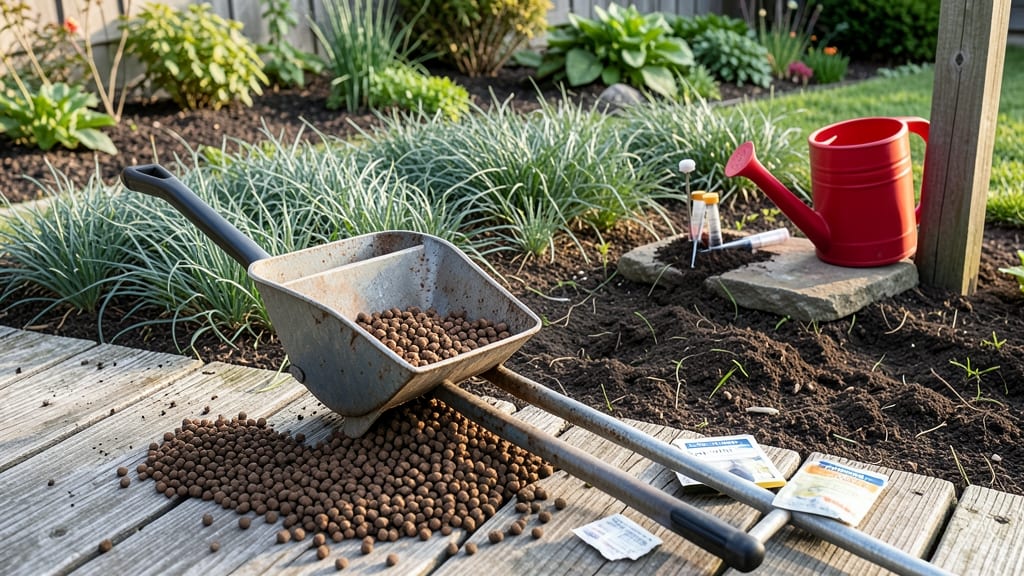
To fertilize new lawn at the right time means catching those first 6-8 weeks of root growth when grass is most hungry—but too soon or too late can backfire.
Picture this: you’ve just seeded your 🌱 lawn grass, watered it religiously, and now you’re wondering when to drop that bag of fertilizer. The truth? Most homeowners either rush it too early (burning tender roots) or wait too long (stunting growth).
The key lies in understanding your grass type, climate, and soil prep—because a spring application in Zone 6a isn’t just about timing; it’s about setting your lawn up for a thriving first year.
Cool-season grasses like fescue need their first feed 4-6 weeks after planting, while warm-season types like Bermuda wait until 60 days in. But here’s the kicker: soil tests and weather play just as big a role.
A heavy rain or drought can wash away nutrients or lock them out of reach, making even the perfect schedule useless. Below, I’ll break down the exact windows, fertilizer types, and pro tips to avoid common mistakes that leave your lawn looking lackluster.
Ready to skip the guesswork? You’ll learn how to read your lawn’s hunger signals, when to switch to slow-release feeds, and why fall fertilization might be the game-changer for next year’s growth. Let’s get those roots growing fast—the right way.
Best fertilization schedule for new lawn by grass type (cool vs warm season)
A new lawn's success hinges on timing—especially when it comes to fertilization. Cool-season grasses like fescue and ryegrass thrive in early spring and fall, while warm-season types such as Bermuda and Zoysia need late spring and summer feedings.
Skipping these windows can leave your grass weak, patchy, or prone to weeds. The key is understanding when to apply starter fertilizer at planting and how often to follow up.
Your grass type dictates the schedule. Cool-season grasses grow best when soil temps are 50-75°F, while warm-season varieties prefer 75-90°F. Missing these temperature cues means wasted fertilizer or stressed grass. For example, fertilizing Bermuda in winter will do more harm than good—it’s dormant!
Let’s break down the exact timing for each type to ensure your lawn gets the nutrients it needs without burning.
Here’s the critical difference: Cool-season grasses need 4 applications per year (spring and fall), while warm-season grasses thrive on 3 applications (late spring, summer, and early fall). The first feeding—often a high-phosphorus starter fertilizer—should happen at planting or within the first 2 weeks of growth.
This kickstarts root development, setting the stage for a thick, resilient lawn.
| Grass Type | First Fertilizer Window | Growth Stage Trigger | Follow-Up Schedule |
|---|---|---|---|
| Cool-Season (Fescue, Ryegrass) | Early Spring (March-April) or Early Fall (September-October) | Soil temp 50-75°F, 2-4 weeks after planting | Every 6-8 weeks (4x/year) |
| Warm-Season (Bermuda, Zoysia) | Late Spring (May-June) | Soil temp 75-90°F, 4-6 weeks after germination | Every 6-8 weeks (3x/year) |
| Both Types | At Planting (Starter Fertilizer) | High phosphorus (5-10%) for root growth | Avoid summer for cool-season; avoid winter for warm-season |
For cool-season grasses, the first feeding should happen in early spring as soon as the soil warms up. This aligns with their natural growth cycle, which ramps up after winter dormancy.
A second application 6-8 weeks later ensures steady growth during the active season. In fall, another feeding in September-October strengthens roots before winter, helping the grass bounce back faster in spring.
Warm-season grasses, like Bermuda, need a different approach. Their first fertilizer should come in late spring (May-June) when soil temperatures hit 75°F. This timing matches their peak growth period.
A second feeding in late summer (July-August) supports thicken-up, and a third in early fall (September) prepares them for winter dormancy. Skipping these steps can leave your lawn thin and vulnerable to weeds.
One common mistake is fertilizing too early in spring or too late in fall. Cool-season grasses can suffer from fertilizer burn if applied when soil is still cold, while warm-season grasses may struggle if fed too early in spring before they’re active.
Always check soil temperatures with a soil thermometer—it’s the best way to avoid costly mistakes.
Pro tip: Use a slow-release fertilizer for new lawns. It provides steady nutrients over time, reducing the risk of over-fertilization while encouraging deep root growth. For example, a 10-10-10 NPK ratio is ideal for starter feedings, while high-nitrogen (20-5-10) fertilizers work well for follow-ups during peak growing seasons.
Don’t forget to water deeply after fertilizing—this helps nutrients penetrate the soil and reach the roots. Aim for 1-1.5 inches of water within 24-48 hours of application.
This step is crucial for preventing fertilizer from washing away or causing surface burn. Consistency is key, whether you’re dealing with cool-season fescue or warm-season Zoysia.
If you’re unsure about your grass type, perform a simple soil test first. This tells you the current nutrient levels and pH, helping you choose the right fertilizer.
For example, low pH (acidic soil) may require lime before fertilizing, while high phosphorus levels could mean you don’t need extra starter fertilizer. Adjusting your approach based on these factors ensures your lawn gets exactly what it needs.
Timing isn’t just about seasons—it’s also about growth stages. For new lawns, the first 3 months are critical. Apply a light starter fertilizer at planting, then follow up with a second feeding once the grass reaches 3-4 inches tall.
This two-step process builds a strong foundation, ensuring your lawn can handle stress, foot traffic, and seasonal changes. 🌱
Signs your new lawn needs fertilizer (and when to avoid it)
Your new lawn might look lush at first, but subtle signs of nutrient deficiency can sneak up quickly. Yellowing patches between blades, slow growth despite regular watering, or thin, weak grass are all red flags.
These issues often appear when soil lacks essential nutrients like nitrogen, phosphorus, or potassium—critical for root development and vibrant color.
Even more concerning is when your lawn shows signs of over-fertilization, such as brown, crispy patches or excessive leaf growth with shallow roots. Too much fertilizer can burn tender new grass, leaving it vulnerable to drought and disease.
Timing matters just as much as the type of fertilizer you use.
Climate plays a huge role in when to fertilize. In drought-prone areas, avoid fertilizing during dry spells—grass needs moisture to absorb nutrients. Similarly, after heavy rain, wait 24-48 hours before applying fertilizer to prevent runoff and waste.
⚠️ When NOT to Fertilize Your New Lawn
- First 4-6 weeks after seeding—roots need time to establish.
- During extreme heat (above 85°F) or drought conditions.
- After heavy rain (wait 2-3 days to prevent runoff).
- When grass shows fungal signs (yellow rings, mold) or burn spots.
Over-fertilizing can burn tender roots and attract pests. Always test soil first!
For cool-season grasses like fescue or ryegrass, watch for pale green blades in early spring—a sign they’re hungry after winter dormancy. Warm-season grasses like Bermuda or Zoysia may show stunted growth in late spring if they missed their early-season feeding window.
Instead of guessing, perform a simple soil test (available at garden centers) to check pH and nutrient levels. Most new lawns benefit from a starter fertilizer at planting, followed by a slow-release formula 6-8 weeks later. Avoid quick-release fertilizers early on—they can overwhelm young roots.
If your lawn is thinning unevenly, it may need targeted fertilization. Focus on high-traffic areas first, as they deplete nutrients faster. Always water deeply after fertilizing to help nutrients reach the roots—shallow watering washes fertilizer away.
Remember: Patience is key with new lawns. Over-fertilizing won’t speed up growth—it can damage roots and create long-term problems. Stick to the 6-8 week rule between feedings, and adjust based on your grass type and local climate.