
Lawn
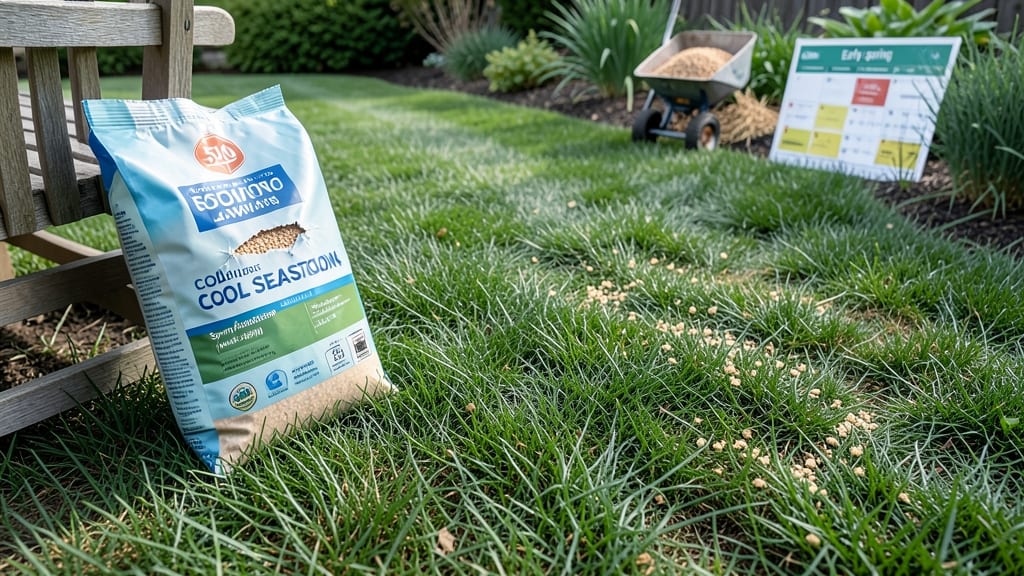
Fertilize your lawn in Massachusetts during early spring and late fall to outpace New England’s fickle weather and keep your 🌱 thriving.
Massachusetts homeowners know a lush, green lawn takes more than just rain—it needs the right fertilization timing to outsmart New England’s unpredictable climate and soil challenges.
Spring is the most critical window, starting as early as March when soil temperatures hit 55°F, while fall applications in September build root strength before winter dormancy.
Below, I’ll break down the exact months to feed your grass, how to adjust for clay-heavy soils, and the simple steps to avoid common mistakes that waste fertilizer and money.
Optimal Massachusetts lawn fertilization schedule by season
Timing your lawn fertilization in Massachusetts isn't just about following a calendar—it's about reading your soil and climate. With USDA zones 5b-6b, we experience cool springs and early frosts, which demand precise scheduling to avoid wasting fertilizer or damaging grass.
The key windows are early spring (March-April) and early fall (September), but soil temperature triggers often dictate exact dates more than the calendar.
Most Massachusetts lawns thrive with cool-season grasses like Kentucky bluegrass and fescue, which need 4-6 feedings annually. However, warm-season grasses (like Bermuda) are rare here and require different timing.
I'll focus on the cool-season schedule that works for 90% of MA homeowners, with adjustments for your specific zone and grass type.
Here's your month-by-month breakdown—including when to feed, what to look for in soil conditions, and how to adjust for Western MA's cooler microclimates versus Eastern MA's milder coastal areas.
📌 PRO TIP: Always test your soil pH (ideal: 6.0-7.0) before fertilizing. Clay-heavy soils common in MA need extra aeration before spring feeding to prevent compaction.
| Month | Fertilization Action | Soil Temp Trigger | MA Zone Adjustments | Grass Growth Stage |
|---|---|---|---|---|
| March | Light feed (if soil >40°F) | 40-45°F (4-7°C) | Western MA: Wait until mid-March; Coastal: Early March | Dormant to awakening |
| April | Full feed (24-0-4) | 50-55°F (10-13°C) | Aerate clay soils first | Active growth begins |
| May | Light feed (if needed) | 60°F+ (15°C+) | Skip if drought stress | Rapid growth phase |
| June-July | No feeding (summer dormancy) | N/A | High heat = fertilizer burn risk | Slow growth, heat stress |
| September | Light feed (late Sept) | 55-60°F (13-15°C) | Coastal: Early Sept; Inland: Late Sept | Root strengthening |
| October-Nov | None (winter prep) | Below 50°F (10°C) | Apply winterizer in Nov | Dormancy begins |
Your first spring feeding should happen when soil temperatures consistently reach 50°F (10°C)—this is your green light to apply that 24-0-4 fertilizer. In Western MA, this often means waiting until mid-April, while coastal areas like Cape Cod can start as early as late March.
Use a soil thermometer ($15 at garden centers) to check—this small investment prevents wasted fertilizer.
For fall fertilization, aim for late September when daytime temps drop below 75°F (24°C). This final feeding of the year helps grass build carbohydrate reserves to survive winter.
If you miss this window, don't panic—just wait until early October, but never fertilize after first frost (typically mid-October in MA).
One common mistake I see is over-fertilizing in summer. When temperatures exceed 80°F (27°C), grass goes into summer dormancy, and any nitrogen applied will burn roots. Instead, focus on watering deeply (1-1.5 inches weekly) to maintain color without fertilizer.
This is when organic options like compost tea shine—they feed soil microbes that protect roots during heat stress.
If your lawn has thin patches or clay soil, consider a pre-spring aeration (late April) before your first feeding. This opens soil for better nutrient absorption and reduces compaction from MA's heavy winter snow load.
For sandy soils (common in some Cape regions), you can fertilize slightly earlier, but always water in fertilizer to prevent runoff into nearby waterways.
Remember: Weather patterns shift yearly. If we have an unusually warm March, don't rush—wait for those 50°F soil temps. And if late-summer drought hits (like 2020's heatwave), skip summer feeding entirely and focus on deep watering
How soil type and grass variety affect fertilizer timing in Massachusetts
Massachusetts lawns face unique challenges from clay-heavy soils in western regions to sandy loams near the coast. These differences dramatically impact how and when you should fertilize. Clay soils compact easily, restricting root growth, while sandy soils drain too quickly, requiring more frequent feeding.
Understanding your soil type is the first step to timing fertilization correctly for Kentucky bluegrass or fescue, which thrive in cool seasons.
Before applying any fertilizer, test your soil pH—ideal levels for most Massachusetts lawns fall between 6.0 and 7.0.
If your soil is too acidic (below 6.0), apply lime in early fall (September) to adjust the pH before spring fertilization. Soil tests from the UMass Extension provide detailed recommendations tailored to your specific soil composition, ensuring you don’t waste fertilizer on unbalanced conditions.
⚖️ Pros & Cons of Fertilizing Based on Soil Type & Grass Variety
- ✅ Pros: Holds nutrients longer; ideal for slow-release fertilizers.
- ✅ Pros: Aeration before spring fertilization prevents compaction.
- ⚠️ Cons: Overwatering can leach nutrients; test soil moisture.
- ⚠️ Cons: Requires pre-spring aeration to avoid smothering roots.
- ✅ Pros: Drains quickly; responds well to frequent light feeds.
- ✅ Pros: Less prone to compaction; easier to aerate.
- ⚠️ Cons: Nutrients wash out; use slow-release or organic fertilizers.
- ⚠️ Cons: Warm-season grasses need late spring fertilization.
Key Tip: Cool-season grasses (like Kentucky bluegrass) should be fertilized in early spring (March-April) and early fall (September), while warm-season grasses peak in late spring (May-June).
If your lawn is primarily Kentucky bluegrass or tall fescue, these cool-season grasses will benefit most from a pre-spring aeration session in late February or early March. Aerating clay soils before fertilizing opens up channels for roots to absorb nutrients, preventing runoff.
For sandy soils, focus on applying fertilizer in smaller, more frequent doses to prevent leaching. Organic options like compost or bone meal work well for sandy conditions.
Timing your fertilizer application also depends on whether you’re growing cool-season or warm-season grasses. Cool-season grasses like Kentucky bluegrass and fescue thrive with two main feedings: one in early spring (March-April) and another in early fall (September).
In contrast, warm-season grasses such as bermuda or zoysia need fertilization in late spring (May-June) to align with their growth cycle.
Don’t forget to adjust your fertilizer blend based on your grass type. Cool-season grasses prefer a high-nitrogen (24-0-4) formula to support rapid growth, while warm-season grasses benefit from a balanced NPK (16-4-8) to encourage root development.
Always apply fertilizer in early morning or late evening to avoid burning the grass in New England’s intense afternoon sun.
By matching your fertilizer timing to your soil type and grass variety, you’ll create a lawn that stays lush year-round—even through Massachusetts’ unpredictable winters. Start with a soil test, aerate clay soils in early spring, and feed cool-season grasses twice a year for optimal results. 🌱