
Lawn
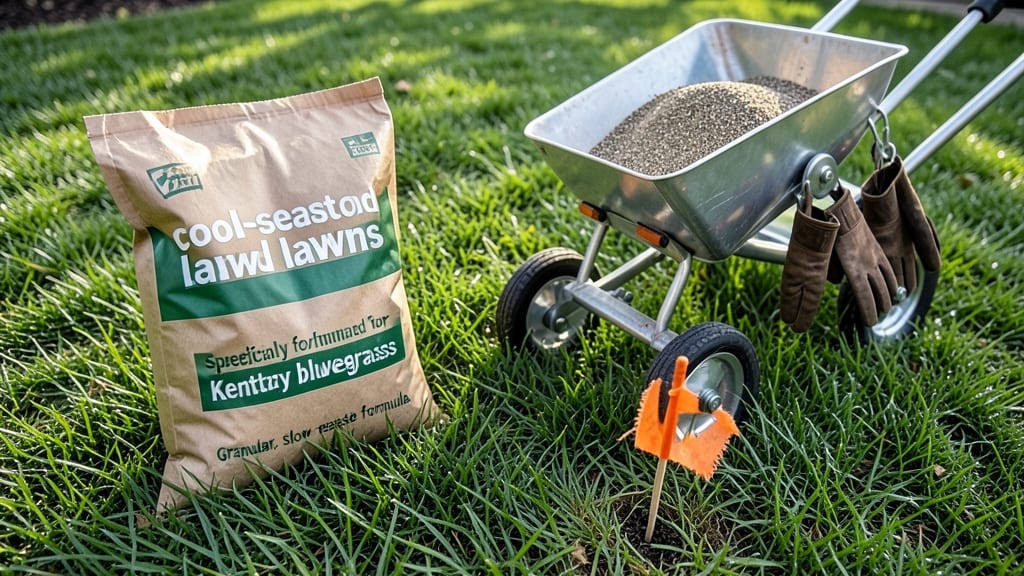
To fertilize lawns in Indiana, time it by grass type: cool-season grasses like Kentucky bluegrass need feeding in early spring (March-April) and fall (September-October), while warm-season grasses like Bermuda thrive with summer fertilization (June-July). Always adjust based on local frost dates and soil test results for best growth.
Indiana's climate and grass types create a clear schedule for lawn care. Cool-season grasses like Kentucky bluegrass and fescue grow best in spring and fall, when temperatures are mild but not extreme.
Warm-season grasses like Bermuda and zoysia prefer summer feeding when heat triggers their growth cycle. 🌱 The key is matching your fertilizer application to when your grass is actively growing—not before or after dormancy.
For example, applying fertilizer too early in spring can wash away before roots absorb it, while summer feeding warm-season grasses keeps them vibrant during peak heat.
Local frost dates are your best guide—most Indiana lawns should see their first spring feeding after the last frost, while fall applications should happen 6-8 weeks before the first frost. A soil test reveals what nutrients your lawn truly needs, helping you avoid over-fertilizing or wasting money on unnecessary treatments.
I always recommend starting with a slow-release fertilizer in spring to provide steady nutrition, then switching to a quick-release formula in summer for warm-season grasses that need an immediate boost.
💡 In This Article
- Indiana Grass Types and Their Fertilization Timing
- Step-by-Step Indiana Lawn Fertilization Calendar
Indiana grass types and their fertilization timing
Indiana's climate—spanning USDA hardiness zones 5a to 6b—creates distinct growing seasons for different grass types. Cool-season grasses like Kentucky bluegrass and tall fescue thrive when daytime temperatures hover between 60-75°F, which typically occurs in March-April and September-October.
These grasses enter dormancy during summer heat (above 85°F), making fertilization in summer ineffective. The reason? Their roots slow nutrient absorption when stressed by heat or drought, so feeding them during active growth periods ensures maximum uptake.
Warm-season grasses like Bermuda and zoysia follow a different rhythm—they awaken in late spring when soil temperatures reach 65°F and peak in June-July. Their deep root systems allow them to handle Indiana's summer heat, but they need nitrogen-rich fertilizer during this active growth phase.
For example, Bermuda grass can grow up to 0.5 inches per week in ideal conditions, which is why a high-nitrogen fertilizer (25-0-5 ratio) applied in June gives it the boost it needs to outcompete weeds.
The key difference? Cool-season grasses store nutrients in their roots for winter, while warm-season grasses rely on summer feeding to survive dormant winters.
Indiana's frost dates further refine timing. In northern Indiana (zone 5a), the last spring frost often arrives around April 15, while southern Indiana (zone 6b) sees frost-free conditions by March 20. This means northern lawns should delay spring fertilization by 2-3 weeks compared to southern lawns.
A soil test reveals critical details: if your lawn tests low in phosphorus (10-15 ppm), you'll need a starter fertilizer with higher phosphorus content (5-10-10 ratio) to encourage root development before the first frost.
What most homeowners miss is how grass types interact with Indiana's rainfall patterns. Cool-season grasses need 1-1.5 inches of water per week during spring growth, but heavy rains in May can leach fertilizer before roots absorb it.
That's why I recommend using slow-release fertilizers in spring—they provide nutrients over 6-8 weeks, matching the grass's growth cycle. For warm-season grasses, summer rainfall (often 3-4 inches per month) dilutes fertilizer, so a quick-release formula applied in early June ensures immediate availability during their peak growth window. 🌱
Consider these common grass types and their ideal fertilization windows:
- Kentucky Bluegrass: March 15-April 15 (spring) and September 15-October 15 (fall)
- Tall Fescue: April 1-May 15 (spring) and September 1-October 1 (fall)
- Bermuda Grass: June 1-July 15 (summer) with light applications every 4-6 weeks
- Zoysia Grass: May 15-June 30 (late spring) and August 15-September 15 (early fall)
Pro tip: If your lawn shows signs of yellowing in spring, it's likely nitrogen-deficient from winter dormancy. A soil test will tell you if you need a quick fix (ammonium sulfate) or a balanced slow-release formula.
The goal is to match fertilizer type to your grass's growth stage—not just the calendar. ✨