
Lawn
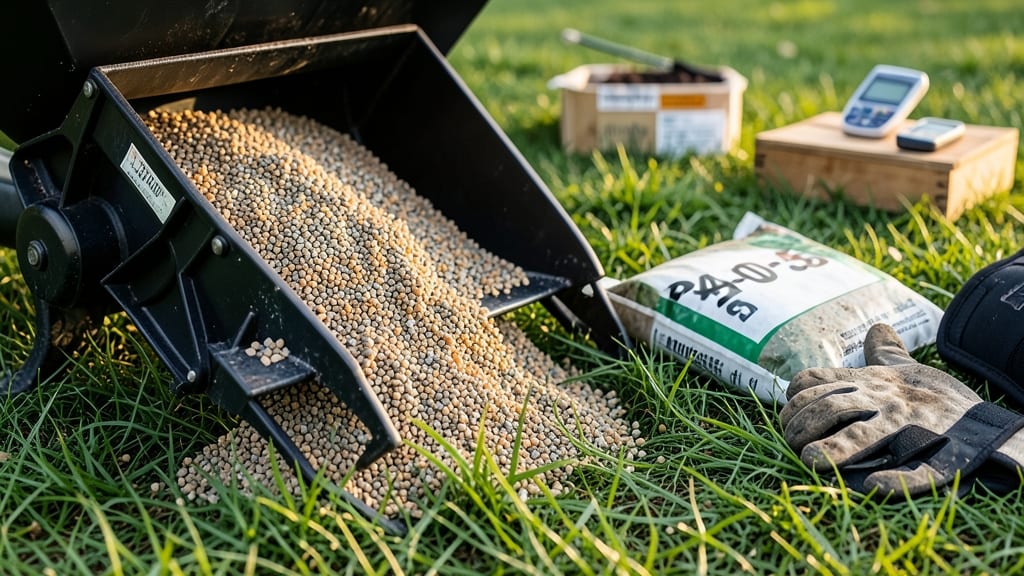
Fertilizing lawns at the right time is the difference between a thick, vibrant carpet and a patchy, struggling yard 🌱 — and the clock starts ticking the moment your grass wakes up from dormancy.
You might think spring is the only season that matters, but your lawn’s growth cycle depends on whether you’re in a cool northern zone or a warm southern climate.
Skip the wrong timing, and you’ll end up with weak roots, wasted fertilizer, or even weed infestations—none of which your neighbors will thank you for.
In this guide, I’ll break down the exact months to fertilize based on your USDA zone, the best grass types for each schedule, and how to adjust for drought or heavy rain. No guesswork, just science-backed steps to keep your lawn lush year-round.
Ready to stop over- or under-fertilizing? Here’s how to align your feeding plan with your grass’s natural rhythm—plus, what to do if you’ve already missed the window.
Best fertilization timing by climate zone: northern vs southern regions
Your lawn’s health depends on fertilization timing that matches your climate zone and grass type. Cool-season grasses (like Kentucky bluegrass or fescue) thrive in USDA zones 3-7, while warm-season grasses (like Bermuda or Zoysia) dominate zones 8-10.
Each has distinct seasonal needs—get it wrong, and you’ll waste fertilizer or stress your lawn.
Northern regions (zones 3-7) focus on spring and fall feeding to support root growth before winter dormancy. Southern regions (zones 8-10) prioritize summer and early fall fertilization to combat heat stress. The key? Align your schedule with your grass’s active growth periods—not the calendar.
Pro tip: Always apply fertilizer in the early morning or evening to avoid leaf burn from afternoon sun. Water lightly after application to help nutrients soak in without washing them away.
For northern lawns (zones 3-7), the spring feeding window (May-June) jumpstarts growth after winter dormancy. Apply a high-nitrogen fertilizer (like 24-0-5) to encourage leafy top growth. Skip summer feeding—your grass will go dormant in heat, and extra nutrients can burn it.
In southern climates (zones 8-10), warm-season grasses need monthly summer feeding (June-August) to handle heat stress. Use a slow-release fertilizer to prevent runoff during heavy rains. The winterization feed in early October strengthens roots before cooler temps arrive.
Transition zones (7-8) require a hybrid approach. Start with cool-season timing in spring, then shift to warm-season summer care. Monitor your lawn’s color—if it turns yellowish-brown in summer, it’s likely dormant and doesn’t need fertilizer yet.
One common mistake is fertilizing in late summer or winter. Grass can’t absorb nutrients in extreme heat or cold, wasting your money and risking burn or runoff. Always check your local extension service for hyper-local adjustments—microclimates (like urban heat islands) can shift ideal timing by weeks.
After fertilizing, water deeply (1 inch) to activate nutrients. In drought-prone areas, split watering into two sessions: once in the morning and once in the evening. This mimics natural rainfall and reduces evaporation loss.
Protect your investment by testing soil pH every 2-3 years. Ideal pH for most lawns is 6.0-7.0. If your soil is too acidic (<6.0), apply lime before fertilizing—it won’t work well otherwise. For alkaline soil (>7.0), use sulfur to lower pH.
🌱 Remember: A well-timed fertilization schedule saves money, reduces runoff pollution, and keeps your lawn lush without overworking it. Start with your climate zone’s ideal months, then fine-tune based on your grass’s response.
Signs your lawn needs fertilizer: soil tests and visual clues
Your lawn sends clear signals when it’s hungry for nutrients. Yellowing patches, slow growth, or thin, patchy areas are all red flags that your grass isn’t getting the right nutrition.
These visual cues often point to nitrogen deficiency, the most common issue for lawns. But before grabbing that fertilizer bag, let’s dig deeper—literally.
Soil testing is the gold standard for understanding your lawn’s needs. A simple DIY soil test kit (available for under $20) can reveal pH levels and nutrient deficiencies. Ideal pH for most lawns is between 6.0 and 7.0.
If your test shows levels outside this range, your grass will struggle to absorb nutrients, no matter how much fertilizer you apply. For accurate results, test in spring or fall, when soil temperatures are moderate.
- 🌱 Visual Signs → Likely Issue
- 🟡 Yellow patches → Nitrogen deficiency (most common)
- 🟥 Brown, crispy spots → Over-fertilization or drought stress
- 🌿 Thin, patchy growth → Phosphorus or potassium shortage
- 🐛 Weeds taking over → Weak grass from poor nutrition
- 🌡️ Slow recovery after mowing → General nutrient deficiency
- 💧 Soil feels compacted → Poor root aeration + nutrient absorption
If your lawn shows multiple signs, it’s time to act—but not just yet. First, aerate your lawn to help roots access nutrients. Core aeration (removing small soil plugs) is best done in spring or fall, when grass is actively growing.
After aerating, spread a thin layer of compost or organic matter to improve soil structure before applying fertilizer. This step alone can make your lawn more receptive to nutrients.
For nitrogen-heavy issues, a quick fix is a slow-release fertilizer with a high first number (e.g., 24-0-5). Apply it in early morning or late afternoon to avoid leaf burn from the sun.
Water lightly after application to help nutrients penetrate the soil. If your test reveals low phosphorus or potassium, choose a balanced fertilizer (e.g., 10-10-10) to address root and overall health.
Don’t ignore weed pressure—it’s a sign your grass is weak. If weeds like crabgrass or clover dominate, your lawn may need a pre-emergent herbicide in early spring, followed by a low-nitrogen fertilizer to strengthen grass roots.
Pro tip: Apply pre-emergent before fertilizing in spring to prevent weed seeds from germinating.
When in doubt, call a local lawn care professional. They can conduct a comprehensive soil analysis and recommend a tailored fertilization plan. Over-fertilizing is just as harmful as under-fertilizing—it can burn grass, pollute waterways, and even attract pests.
Always follow the "less is more" rule: Start with half the recommended dose and adjust based on your lawn’s response.
With the right approach, your lawn will bounce back stronger. Keep an eye on those visual cues after fertilizing—within 2-4 weeks, you should see improved color, density, and resilience. And remember: Healthy soil = healthy grass. 🌱