
Lawn
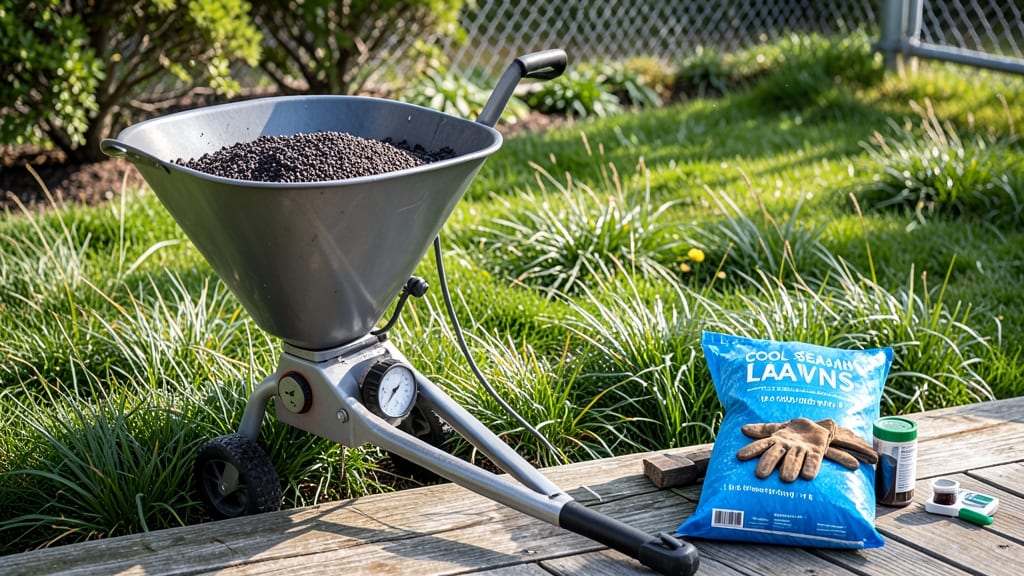
Fertilizing your lawn in Ohio at the right time means the difference between a thick, green carpet and a patchy, weed-infested mess.
Ohio’s unpredictable spring rains and brutal summer heat demand a precise fertilizing schedule to keep your lawn resilient—but timing is everything. Miss the window, and you’ll waste money on ineffective feed or invite weeds into your yard.
Most lawns need their first feeding in early spring, just as the grass breaks dormancy, with follow-ups in late spring and fall. Cool-season grasses like Kentucky Bluegrass thrive with a spring-heavy schedule, while warm-season varieties like Bermuda prefer summer feedings.
Below, I break down the exact months to fertilize in Ohio, how soil type changes your plan, and the 5 mistakes that turn green dreams into brown patches.
Ohio’s ideal fertilizer schedule by season: month-by-month breakdown
Ohio’s cool-season grasses like Kentucky Bluegrass and Tall Fescue thrive with a seasonal fertilization plan that aligns with their growth cycles. The key is applying nutrients when grass is actively growing—not during dormancy or extreme heat.
For most of Ohio (USDA Zone 6a), this means 4-5 feedings per year, with adjustments based on your lawn’s health and soil type.
Timing matters more than quantity. A missed window can lead to weak roots, weed invasion, or even fertilizer burn. Ohio’s spring rains and summer droughts further complicate scheduling. I’ll break it down month-by-month, including when to apply pre-emergent herbicides and slow-release fertilizers for maximum impact.
Pro Tip: Always test your soil in early spring (March) to check pH and nutrient levels. Ohio’s clay-heavy soils often need lime to raise pH, while sandy loam may require extra phosphorus. Adjust your fertilizer’s NPK ratio based on these results—typically 24-0-5 or 30-0-4 for lawns.
Let’s dive into the month-by-month details to ensure your lawn gets the right nutrients at the right time. In March, for example, I recommend a starter fertilizer with high nitrogen (20-0-5) to jumpstart growth after winter.
Apply it 2-3 weeks before your last frost date (April 15 in most of Ohio) to avoid washing out with spring rains.
By April, your grass should be actively growing, making it the perfect time for a balanced fertilizer (24-0-5). This feeds root development and prepares your lawn for summer stress.
Pair this with a pre-emergent herbicide in May to block crabgrass before it germinates. Ohio’s warm, wet springs create ideal conditions for weeds, so don’t skip this step!
Summer fertilization requires caution. In June and July, switch to a light nitrogen feed (10-0-10) to avoid heat stress or fertilizer burn. Water deeply after each application to help nutrients penetrate the soil.
If your lawn looks thin or patchy, consider overseeding in late summer (August) with a
How Ohio’s soil type and grass variety change fertilizer timing
Ohio’s diverse soil types—from clay-heavy in the southeast to sandy loam in the northwest—dramatically impact how your lawn absorbs nutrients. Clay soil holds moisture but drains poorly, while sandy loam dries out faster, both requiring fertilizer adjustments.
Even your grass type matters: Kentucky Bluegrass thrives with frequent feeding, while Tall Fescue prefers slower, steady nutrition.
Before applying fertilizer, conduct a soil test (available through Ohio State University Extension) to check pH levels and nutrient deficiencies. Most Ohio lawns need a pH between 6.0-7.0. If your soil is too acidic (<6.0), lime applications should precede fertilization to avoid nutrient lockout. For alkaline soils (>7.0), sulfur-based amendments help balance the mix.
Here’s how to adjust your fertilizer timing based on soil type and grass variety:
✅ Pros:
- Holds nutrients longer
- Less frequent watering needed
- Ideal for Kentucky Bluegrass
✅ Pros:
- Drains quickly, reducing runoff
- Warms up faster in spring
- Best for Tall Fescue
❌ Cons:
- Risk of nutrient runoff if over-applied
- Requires slow-release fertilizers
- Compacted layers limit root growth
❌ Cons:
- Nutrients leach out quickly
- Needs frequent, light feedings
- Dries out faster in heat
Use organic matter (compost) to improve structure. Apply half the recommended dose and water deeply afterward.
Opt for liquid fertilizers or granular slow-release. Reapply every 4-6 weeks during growing season.
Kentucky Bluegrass (needs high nitrogen)
Tall Fescue (tolerates drought)
Spring: Early April
Summer: June (light feed)
Fall: Late September
Spring: Mid-April
Summer: May & July
Fall: Early October
For Kentucky Bluegrass, a cool-season grass, focus on spring and fall feedings with a high-nitrogen (24-0-5) fertilizer.
Apply the first dose in early April to kickstart growth after winter dormancy, followed by a late September feeding to strengthen roots before frost. Tall Fescue, a warm-season grass, benefits from light, frequent feedings—use a balanced (10-10-10) fertilizer in May and July to avoid summer stress.
Organic vs. synthetic fertilizers? Synthetic delivers fast, measurable results but risks burning grass if overapplied. Organic options (like compost or bone meal) improve soil health long-term but require consistent applications.
For clay soils, I recommend organic matter (compost or manure) to improve drainage, while sandy loam benefits from slow-release synthetic granules to prevent nutrient loss.
Pro tip: If your lawn shows yellowing patches despite fertilization, it may signal iron deficiency (common in alkaline soils). Apply chelated iron in early spring to restore vibrancy. Always water fertilizer in within 24 hours to activate nutrients and prevent runoff.
Adjust your schedule based on Ohio’s microclimates—northern regions (like Toledo) can fertilize 1-2 weeks earlier than southern areas (like Columbus). Monitor your lawn’s response and tweak timing as needed! 🌱