
Lawn
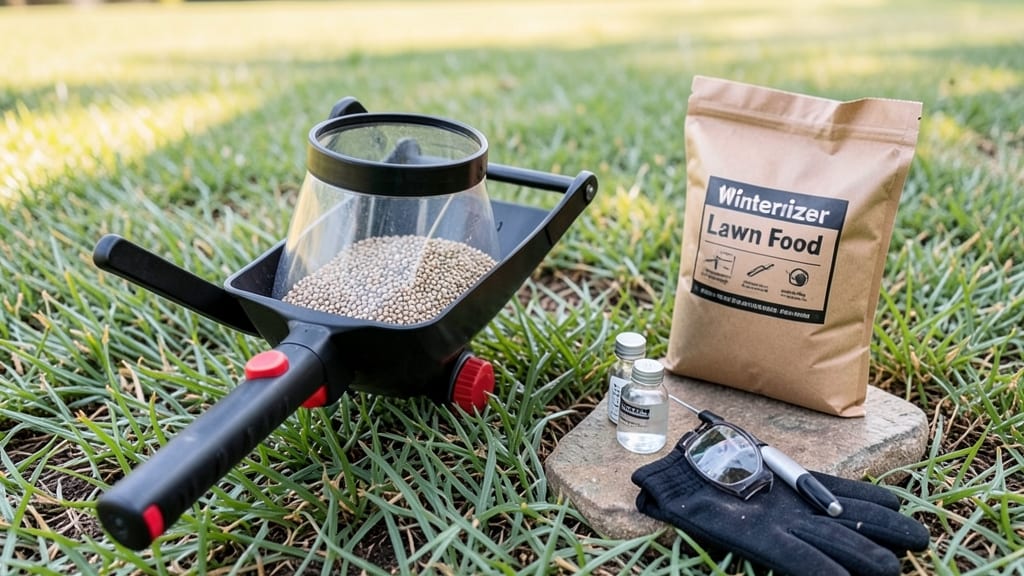
To fertilize lawn in East Texas at the right times means catching the spring and fall windows when your 🌱 thrives—and avoiding the summer heat stress that wastes fertilizer and invites weeds.
Picture this: You’ve just spent $50 on fertilizer, spread it carefully, and then—poof—June hits, and your grass turns brown instead of green. That’s because East Texas’ brutal summers shut down growth, making fertilization a gamble unless you time it perfectly.
Most homeowners overlook the early spring feeding (February-March) that kickstarts root growth, or the late fall boost (September-October) that prepares grass for winter. Without these, your lawn stays weak, patchy, and vulnerable to pests.
Below, I’ll break down the exact months to fertilize for Bermuda, St. Augustine, and Zoysia—plus how to adjust for rain delays, soil types, and the one trick that saves money by cutting weed competition.
Optimal fertilization timeline for East Texas lawns by season
East Texas lawns face unique challenges—scorching summers, heavy clay soils, and sudden rainstorms. To keep your Bermuda, St. Augustine, or Zoysia grass thriving, timing is everything. Fertilizing at the wrong time can burn roots or waste money.
Here’s my month-by-month schedule tailored to East Texas’ USDA Zone 8a, including pre-emergent herbicide timing to block weeds before they start.
Spring is the most critical season for fertilization. Start with a high-nitrogen feed in February-March to kickstart growth after winter dormancy.
For St. Augustine, apply a slow-release fertilizer like 16-4-8 to avoid rapid burn. Bermuda and Zoysia can handle slightly higher nitrogen (30-0-4) but need proper watering afterward to activate nutrients.
Here’s your seasonal fertilization and weed control guide for East Texas:
| Month | Action | Grass Type | Notes |
|---|---|---|---|
| February | Apply pre-emergent herbicide | All | Blocks crabgrass and nutsedge before germination. |
| March | First fertilizer (high nitrogen) | St. Augustine, Zoysia | Use 16-4-8 for St. Augustine; 30-0-4 for Bermuda/Zoysia. |
| April | Second fertilizer (balanced) | All | Switch to slow-release to avoid summer burn. |
| May-July | Skip fertilization | All | Summer dormancy risk; focus on watering (deep, early morning). |
| August | Apply iron supplement (if needed) | St. Augustine | Fixes yellowing from heat stress. |
| September | Final fall fertilizer (high potassium) | All | Use 5-10-15 to strengthen roots before winter. |
| October | Aerate and top-dress | Bermuda, Zoysia | Improves soil oxygen and nutrient uptake. |
| November-January | No fertilization | All | Grass enters dormancy; avoid disturbing roots. |
Summer fertilization is a no-go in East Texas. The 100°F+ heat forces grass into dormancy, and feeding during this time can burn roots or invite fungal diseases.
Instead, focus on deep watering (1-1.5 inches per week) to keep roots alive. Bermuda is the most drought-tolerant; St. Augustine needs extra care during heatwaves.
Fall is your second fertilization window. Aim for September-October to give grass time to absorb nutrients before first frost (typically mid-November). A high-potassium fertilizer like 5-10-15 helps roots withstand winter stress. For Zoysia, this is also when you can overseed with ryegrass for temporary winter color.
Don’t forget pre-emergent herbicides! Apply in late February to block crabgrass and nutsedge, which germinate as soil temps hit 60°F. Reapply in June if summer rains wash out the first treatment. For organic options, use corn gluten meal instead—it’s less aggressive but effective.
Soil testing is non-negoti
Signs your East Texas lawn needs fertilizer (and when to skip it)
Your East Texas lawn might be silently screaming for nutrients without you realizing it. Yellow patches that won’t green up after mowing or slow recovery after drought are classic signs your grass is starving.
But before you grab that fertilizer bag, know that over-fertilizing can burn roots and attract pests—especially in our humid climate. The key is reading your lawn’s signals and matching them to East Texas’ unique growing seasons.
First, check for uneven color—pale or straw-colored areas often mean nitrogen deficiency. If your grass feels spongy underfoot or recovers poorly after foot traffic, it might need potassium or phosphorus instead.
But here’s the catch: Soil testing is non-negotiable. East Texas’ clay-heavy soils can lock out nutrients, making visual cues unreliable without lab confirmation.
- Summer months (June-August): Heat stress + fertilizer = root burn. Wait until temps drop below 90°F.
- Dormant season (Dec-Feb): Grass isn’t growing—nutrients just waste.
- After pre-emergent herbicide: Wait 8-12 weeks to avoid chemical conflicts.
- If soil is waterlogged: Fertilizer leaches away—wait for dry conditions.
Pro Tip: Water deeply 24 hours before/after fertilizing to activate nutrients safely.
Organic vs. synthetic fertilizers? East Texas’ heat favors slow-release options like compost or pelletized chicken manure—they won’t volatilize in 100°F+ temps. Synthetic blends (like 16-4-8 NPK) work fast but require precise timing.
My rule: Use organic in spring for root building, then switch to synthetic in fall for quick green-up before winter.
Watch for weed surges too—thin grass lets crabgrass and clover take over. If you see broadleaf weeds popping up, your lawn’s nitrogen levels might be too low to compete. But here’s a red flag: If weeds disappear after mowing but grass stays weak, you’re likely over-fertilizing with nitrogen.
Don’t ignore fungal signs either—dark spots or powdery mildew often appear when lawns get too much fertilizer in humid conditions. If you’ve recently applied and see grayish film on blades, flush the soil with 2 inches of water immediately. Prevention is easier than cleanup!
Test your soil every 2-3 years—East Texas’ pH swings between 5.5-7.5 due to rain and heat. Aim for 6.0-6.5 for Bermuda/St. Augustine. And remember: Less is more in our climate. A light feeding every 6-8 weeks beats heavy applications that harm more than help.