
Lawn
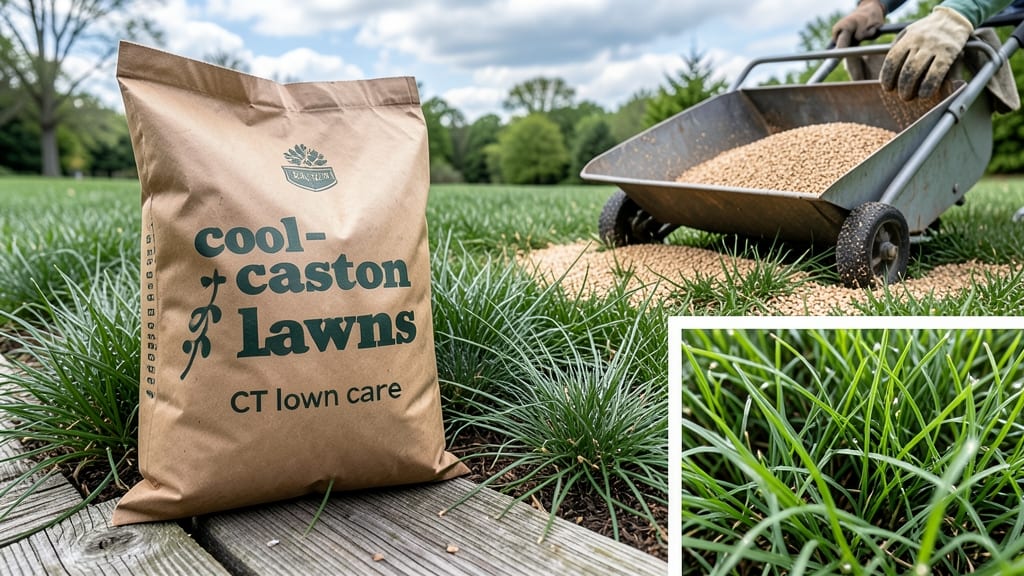
Fertilizing your lawn in Connecticut at the right time means the difference between a vibrant green yard and one that struggles to stay alive through the seasons.
Struggling to keep your Connecticut lawn vibrant year-round? Timing your lawn fertilization correctly can mean the difference between a lush green carpet and a patchy, struggling yard—especially with CT’s unpredictable spring and fall weather.
In zones 5b-6b, where soil temperatures fluctuate wildly, getting the timing wrong can waste money, stress your grass, or even invite pests. The key is knowing when to feed your lawn—typically early spring, late spring, and early fall—while avoiding those scorching summer months when fertilizer just burns.
Below, I break down the exact soil temperatures to watch, the best months for each feed, and how to adjust for CT’s coastal vs. inland microclimates—so you never fertilize too soon, too late, or at all.
Best soil temperature & seasonal timeline for CT lawn fertilization
Timing your lawn fertilization is critical in Connecticut, where soil temperatures and seasonal shifts dramatically impact grass health. Unlike warmer climates, CT’s USDA Zones 5b-6b demand precise timing—fertilizing at the wrong moment can stress your lawn or even invite pests.
The golden rule? Wait until soil reaches 50-55°F and avoid extreme heat or frost. This window ensures nutrients are absorbed efficiently, not wasted.
Connecticut’s microclimates add another layer of complexity. Coastal areas like New Haven or Stamford often experience milder springs, while inland regions like Hartford or Torrington face later frost dates.
Adjust your schedule by 1-2 weeks based on your location—coastal lawns can start earlier, while inland yards may need to wait until mid-April. Always check local frost dates to avoid winter damage.
Testing your soil temperature is easier than you think. Use a soil thermometer (available for $10-$15) and insert it 4 inches deep in a shady spot. Early mornings are ideal—soil cools overnight, giving you a more accurate reading.
If temperatures dip below 50°F, delay fertilization until conditions improve. Cold soil locks out nutrients, leaving your lawn starving even after application.
Spring fertilization kicks off your lawn’s growth cycle. Aim for early April to mid-May, but coastal CT yards can start as early as late March. Use a high-nitrogen fertilizer (24-0-10) to jumpstart green-up.
For inland areas, wait until soil warms consistently above 55°F—cold snaps can reverse progress. Pro tip: Apply fertilizer in the early morning to reduce burn risk from afternoon heat.
Late spring is all about maintenance feeding. By June, your lawn should be established, but it still needs nutrients to outcompete weeds. Choose a slow-release fertilizer to avoid overfeeding during CT’s unpredictable summer rains.
If your lawn shows yellowing patches, it’s a sign of nitrogen deficiency—time for a light top-dressing. Just be cautious: Fertilizing during drought or heatwaves can scorch grass blades.
Fall is the most critical window for CT lawns. Fertilize in September (before first frost) to strengthen roots for winter. Coastal areas can extend applications to early October, but inland yards should stop by mid-September.
Use a winterizer blend (high potassium) to harden grass against frost. This timing also suppresses crabgrass and other weeds—perfect for a clean spring start.
Summer fertilization requires caution. If you must feed, opt for a light application in early July to support recovery from spring wear. Avoid fertilizing when temperatures exceed 85°F—grass metabolism slows, and nutrients sit on the surface, risking runoff.
Instead, focus on deep watering (1 inch per week) and mowing high (3-4 inches) to retain moisture. Shady lawns may need half the fertilizer due to slower growth.
Winter is a fertilizer-free zone in CT. Grass goes dormant, and cold soil prevents nutrient absorption. However, you can overseed in late fall (October) to thicken your lawn for spring.
Choose cool-season grasses like tall fescue or Kentucky bluegrass, which thrive in CT’s climate. Avoid fertilizing until soil warms in spring—patience pays off with a lush, resilient lawn.
Remember: CT’s unpredictable weather means flexibility is key. Always check a 7-day forecast before fertilizing—rain within 48 hours can wash away nutrients. For coastal yards, monitor humidity levels (high humidity + heat = burn risk).
Inland areas should watch for late frosts (common until May 15). Adjust your schedule yearly based on these factors for a picture-perfect lawn every season
CT-specific fertilizer schedule: month-by-month breakdown for healthy grass
Connecticut’s variable climate demands a precise fertilization plan to keep your lawn thriving. Unlike warmer regions, CT’s cool springs and early falls create ideal windows for feeding, while summer heat requires lighter touches.
My schedule balances nitrogen-heavy feeds for growth with slow-release options to prevent winter stress. Let’s break it down month-by-month, including adjustments for shady lawns or drought-prone areas.
Timing matters most in CT. Fertilizing too early in spring risks washout from rain, while late summer feeds can stress grass before winter. I’ve structured this plan around soil temperatures (aim for 50-55°F) and CT’s last frost dates (typically April 15).
For shady lawns, reduce nitrogen by 25%—they need less fuel but more iron and potassium for resilience.
- Early Spring (March-April)
- Late Spring (May)
- Summer (June-August)
- Early Fall (September)
- Late Fall-Winter (October-February)
Pro tip: Always test your soil before fertilizing. CT’s clay-heavy soils often need lime adjustments (target pH 6.0-7.0). For shady lawns, mix 10-10-10 fertilizer with compost to boost organic matter. This balances nitrogen with phosphorus and potassium for root health.
Adjust for microclimates: Inland CT (e.g., Hartford) can fertilize 1-2 weeks earlier than coastal areas (e.g., New London), where cooler ocean breezes delay spring. Monitor your lawn’s color and growth—over-fertilizing shows as dark green, fast growth followed by burn patches.
Always water after applying fertilizer to activate nutrients.
For drought-prone areas, pair fertilization with deep watering (1 inch per week). Use soil wetting agents in summer to help roots access moisture. My fall feeding is the most critical step—it’s what keeps CT lawns green through winter and jump-started in spring.
Stick to this schedule, and you’ll outpace 90% of CT homeowners with lush, resilient grass year-round.