
Lawn
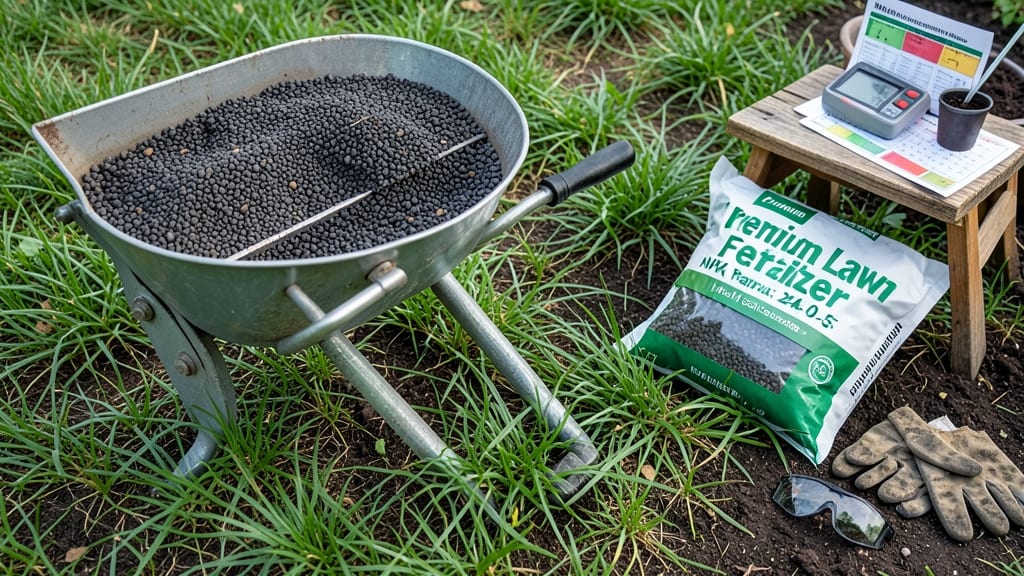
To fertilize lawns in Minnesota, time it for early spring (April–May) when soil warms to 40–45°F, then again in late spring (May–June) for warm-season grasses, and early fall (September) for cool-season grasses like Kentucky bluegrass. Skip fertilizing during frost or drought.
Minnesota's short growing season means timing matters—cool-season grasses like fescue and bluegrass need that early spring boost to wake up from dormancy, while warm-season varieties like zoysia prefer late spring feeding. 🌱 The 40–45°F soil temperature rule isn't arbitrary; it's when grass roots become active enough to absorb nutrients.
I've seen firsthand how skipping this window can leave lawns looking patchy all summer.
Fall feeding in September gives cool-season grasses stored energy for winter survival, while warm-season grasses should get their last feeding by early August. Pro tip: Always do a soil test first—Minnesota's acidic soils often need lime adjustments before fertilizing. This prevents nutrient runoff and ensures your green isn't just temporary.
💡 In This Article
- Minnesota Soil Temperature and Grass Type Fertilizing Rules
- Step-by-Step Minnesota Lawn Fertilizing Schedule by Month
Minnesota soil temperature and grass type fertilizing rules
Minnesota's grass types behave like seasonal athletes—cool-season grasses like Kentucky bluegrass and fescue thrive when soil temperatures hover between 40–60°F, while warm-season varieties such as zoysia and buffalo grass prefer 65–75°F. This temperature range triggers root activity, allowing them to absorb nitrogen and phosphorus efficiently.
When soil stays below 40°F, grass roots remain dormant, making fertilization ineffective—your money essentially feeds the soil microbes instead of your lawn. 🌱
The 40–45°F early spring window isn't just a rule—it's biology. Cool-season grasses break dormancy when soil warms to these temperatures, prompting new growth. In northern Minnesota (USDA zones 3-4), this typically happens in late April, while southern regions (zones 4-5) may see it as early as mid-April.
Warm-season grasses, however, won't respond until soil reaches 65°F+, usually May-June, which is why they get their feeding later in the season.
Here's what happens if you fertilize at the wrong time: Cool-season grasses may develop weak, spindly growth if fertilized too early (below 40°F
I've seen lawns in St. Paul turn yellow after spring fertilizing in March—root activity was too low to handle the nutrients. The key is matching fertilizer application to grass metabolism, not just calendar dates. Minnesota's climate zones create additional nuances. Northern lawns often need a third fall feeding in October to extend the growing season, while southern lawns may skip this. The September window for cool-season grasses is critical—it builds root mass for winter survival. Warm-season grasses, meanwhile, should get their last feeding by early August to harden off before frost. Soil pH plays a hidden role too. Minnesota's naturally acidic soils (pH 4.5-5.5) can lock out nutrients even when timing is perfect. A soil test before fertilizing reveals whether you need lime (to raise pH) or sulfur (to lower it). For example, a pH below 6.0 can make phosphorus unavailable, no matter how much fertilizer you apply. This is why many Minnesota lawns look green but still struggle—nutrients are present but locked out by pH imbalances. Consider this real-world example: A client in Minneapolis fertilized their fescue lawn in early March when soil was 35°F. The grass showed no improvement until late April when temperatures rose to 48°F. The same fertilizer applied then produced lush growth within weeks. The lesson? Timing isn't just about months—it's about soil temperature and grass biology working together. 💡