
Planting
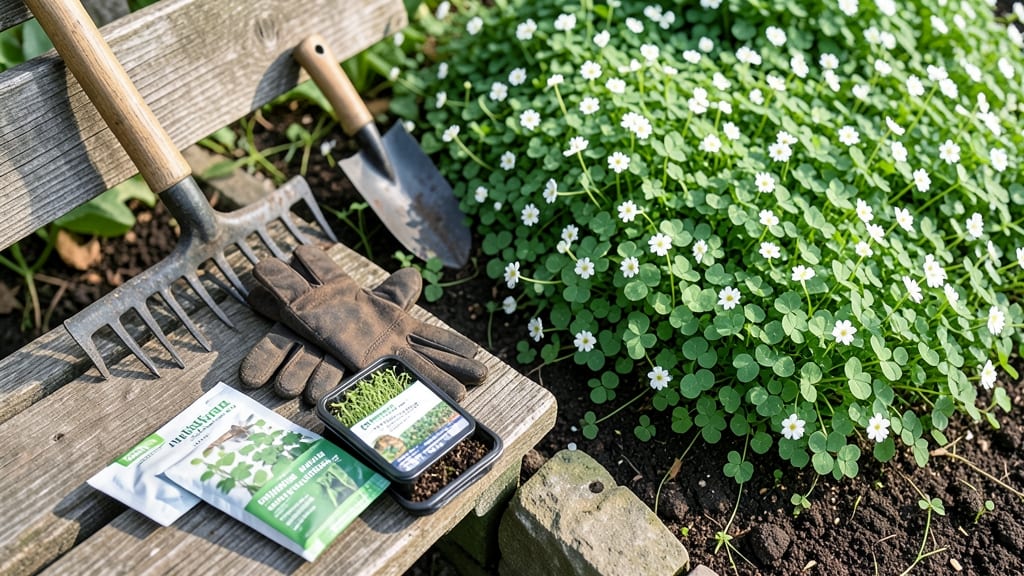
Planting clover in your lawn at the right time ensures thick, lush growth that crowds out weeds and improves soil health—so timing is the key to success.
Struggling to decide when to plant clover in your lawn? Timing is everything—plant too early or late, and you risk poor germination, weeds taking over, or even wasting your seed investment.
In USDA Zone 6a, the best months are early spring (March–April) or early fall (September–October), when soil temperatures hover between 50–70°F. Planting in these windows gives clover the ideal conditions to establish before summer heat or winter frost sets in.
Below, I’ll break down the perfect planting windows for your region, how to prep your soil, and the 3 signs you’re planting at the wrong time—so you can avoid costly mistakes.
Best soil temperature and months to plant clover by US region
Planting clover at the right time ensures thick, lush growth and outcompetes weeds. The ideal soil temperature for germination is between 40-70°F, but regional climate zones shift when you should plant. In northern states, early spring or fall planting works best, while southern climates may allow winter planting.
Let's break down the best months for each US region to maximize your clover's success.
Clover thrives in cool-season climates but adapts to warm-season regions with adjusted timing. For example, Michigan or New York gardeners should aim for April-May or September-October, while Texas or Florida can plant as early as February or late October.
Understanding your USDA hardiness zone is key—zones 3-5 need earlier spring planting, while zones 7-10 can extend into winter.
Here's a quick comparison of soil temperature requirements and optimal planting months by region to help you decide when to plant clover in your lawn:
| Region | Best Planting Months | Soil Temp Requirement | Key Considerations |
|---|---|---|---|
| Northeast (Zones 3-5) | April-May, September-October | 45-65°F | Avoid frost; warm soil after last frost date |
| Midwest (Zones 5-7) | March-April, August-September | 40-68°F | Spring planting needs consistent moisture; fall planting benefits from cooler temps |
| South (Zones 7-9) | February-March, October-November | 50-70°F | Winter planting possible in mild winters; avoid summer heat stress |
| West Coast (Zones 6-9) | March-April, September-October | 45-65°F | Pacific Northwest: cooler temps extend spring planting; California: avoid summer drought |
| Mountain West (Zones 4-7) | May-June, August-September | 40-60°F | High elevations: plant after last frost; arid climates need extra watering |
For northern regions, focus on spring planting after the last frost date when soil temperatures consistently reach 50°F. In southern climates, you can plant earlier in winter or late fall to avoid summer heat.
The West Coast offers a unique advantage with milder winters, allowing for year-round planting in some areas, though spring and fall remain ideal.
If you're in a transition zone (like Zone 6 or 7), aim for early spring or late summer planting. These periods provide the optimal soil temperatures without the extreme heat or cold that can stress clover seedlings.
Always test your soil temperature with a soil thermometer before planting—this simple tool can save you from planting too early and risking frost damage.
One common mistake is planting clover in summer months when soil temperatures exceed 75°F. High heat causes seeds to dry out before germinating, leading to poor establishment. Instead, choose spring or fall when temperatures are cooler and moisture levels are more consistent.
This timing also helps clover compete with weeds, which germinate more aggressively in warm soil.
For cool-season grasses like Kentucky bluegrass, planting clover in late summer (August-September) can be beneficial. The fall planting window gives clover time to establish roots before winter, resulting in a thicker lawn the following spring.
In warm-season climates, a winter planting strategy works well, as cooler temperatures reduce weed pressure and allow clover to germinate without competition.
Remember, clover thrives in full sun (6+ hours daily) and well-draining soil. While timing is critical, proper soil preparation—like aerating compacted lawns or adjusting pH to 6.0-7.5—will give your clover the best chance to succeed, regardless of when you plant.
With the right timing and care, your lawn will transform into a lush, nitrogen-rich carpet that outshines weeds and requires less maintenance.
How to prepare your lawn for clover planting: soil, sun, and seed tips
Getting your lawn ready for clover is half the battle—proper prep ensures strong germination and weed suppression. Start by testing your soil pH (aim for 6.0-7.5), as clover thrives in slightly acidic to neutral conditions.
If your soil is too alkaline, amend it with sulfur or compost 4-6 weeks before planting. This gives microbes time to adjust the pH naturally.
Next, assess your sunlight exposure. Clover needs at least 6 hours of sun daily to establish well. If your lawn has shady spots, consider planting white clover (more shade-tolerant) or stick to sunny areas for red or Dutch clover.
Mow your existing grass short—1.5-2 inches—to create an ideal seedbed for clover seeds.
🌱 5 Critical Pre-Planting Steps for Clover Success
- 1. Test soil pH (6.0-7.5) and amend if needed with compost or sulfur.
- 2. Mow grass short (1.5-2 inches) 1-2 weeks before planting.
- 3. Remove debris (leaves, thatch) with a rake for a clean seedbed.
- 4. Water deeply 24 hours before planting to soften soil.
- 5. Choose the right clover type (white for shade, red for sun, Dutch for fast cover).
Before seeding, lightly rake the soil to create a rough texture—this helps clover seeds make contact with the earth without burying them too deep. Aim for a ¼-inch depth; deeper planting can delay germination.
If your lawn has thick grass, consider spot-treating with glyphosate (follow label instructions) 2 weeks before planting to reduce competition.
For best results, plant clover in early spring (March-April) or early fall (September-October) when soil temps are 50-70°F. Avoid planting in extreme heat or drought, as seeds may dry out before sprouting.
After sowing, use a light layer of straw mulch (¼ inch) to retain moisture and protect seeds from birds.
Finally, water gently but frequently—keep the soil moist (not soggy) for the first 3-4 weeks until clover establishes roots. Reduce watering once seedlings appear, as clover is drought-tolerant once mature. Avoid fertilizing during this phase; clover fixes its own nitrogen.
With these steps, your clover will germinate quickly, outcompete weeds, and create a lush, low-maintenance lawn in just a few months. Happy planting! 🌿