
Fertilization
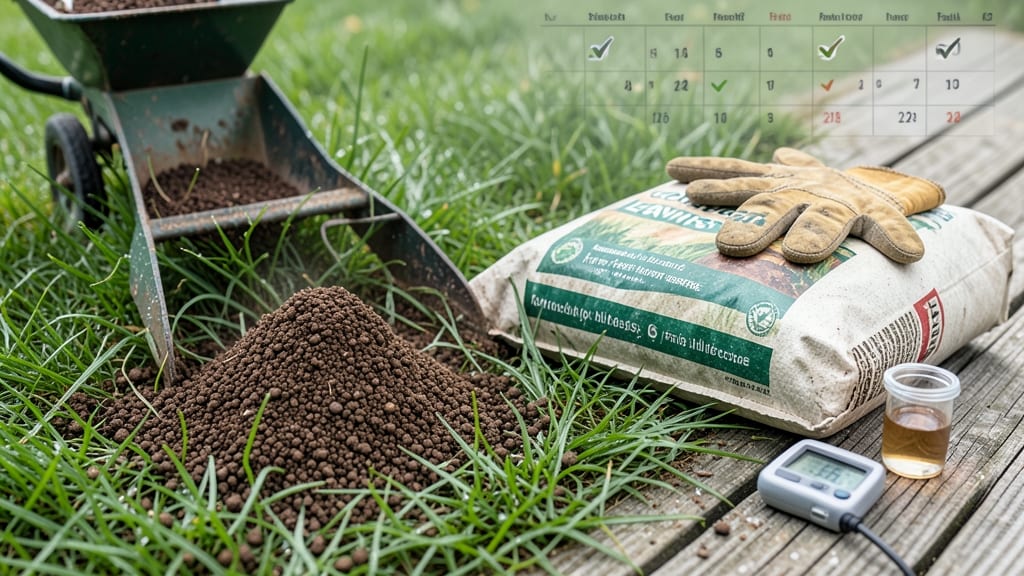
Fertilizing your lawn in Colorado at the right time—typically early spring and fall—is the key to a vibrant, drought-resistant yard that survives the state’s dramatic seasonal shifts.
Colorado’s unpredictable weather—from freezing winters to scorching summers—can leave your lawn struggling to thrive. But timing your fertilization right could mean the difference between a patchy, weak yard and a lush, green carpet that neighbors envy.
Most Colorado lawns (especially cool-season grasses like Kentucky bluegrass or fescue) need their first feeding in late April to early May, just as the soil warms and grass breaks dormancy.
A second dose in late August to September strengthens roots before winter, while high-altitude areas may need adjustments for shorter growing seasons.
Below, I break down the exact months for your region, how to choose the right fertilizer, and the 3 mistakes that wreck lawns every year—so you can skip the guesswork and get results.
Best fertilization schedule for Colorado lawns: spring vs fall timing explained
Colorado’s unique climate—with its cool mountain air, dry summers, and freezing winters—demands a two-season fertilization approach for healthy lawns.
Unlike warmer climates where summer feeding dominates, Colorado’s cool-season grasses (like Kentucky bluegrass and fescue) thrive with spring and fall applications, while warm-season grasses (like Bermuda) need adjustments. Timing matters because fertilizing at the wrong moment can waste nutrients or even burn your grass.
Most Colorado lawns are cool-season grasses, which grow best when temperatures are between 60°F and 75°F. This means spring (April–May) and fall (September–October) are your prime windows. High-altitude regions (above 7,000 feet) may need to shift these timings by 2–4 weeks later due to cooler temperatures.
For example, Denver’s Front Range lawns should fertilize in late April, while Western Slope yards might wait until mid-May.
Here’s the key difference: Spring fertilization jumpstarts growth after winter dormancy, while fall fertilization strengthens roots for winter survival. Skipping either season leaves your lawn vulnerable to weed invasion, drought stress, and thatch buildup. Let’s break down the exact timing and why it works for Colorado’s climate.
🌱
| Season | Best Months for Colorado | Grass Type | Key Goal | Altitude Adjustments |
|---|---|---|---|---|
| Spring | Late April–Early May | Cool-season (Kentucky bluegrass, fescue) | Stimulate early growth | Delay 2–4 weeks for >7,000 ft |
| Spring | June (light feed) | Warm-season (Bermuda, buffalo grass) | Maintain color in heat | Avoid June for high-altitude |
| Fall | September–Early October | Cool-season (Kentucky bluegrass, fescue) | Strengthen root system | Shift to August–September |
| Fall | October (winterizer) | All grass types | Prep for winter dormancy | Apply by mid-October |
In spring, your lawn wakes up from winter dormancy, making it eager to absorb nutrients. A high-nitrogen fertilizer (like a 24-0-5 or 30-0-4 blend) applied in late April–early May gives cool-season grasses the boost they need to outcompete weeds.
For warm-season grasses, a light feeding in June helps them establish before summer heat sets in. But here’s the catch: if you’re above 7,000 feet, wait until mid-May—cooler temps delay growth.
Fall fertilization is just as critical. By September–early October, your lawn focuses on root development rather than top growth. A slow-release fertilizer with balanced NPK (e.g., 16-4-8) ensures roots grow deep before winter.
For high-altitude yards, shift this to August–September because frost arrives earlier. Pro tip: Apply a winterizer fertilizer in October to protect against cold stress and snow mold.
Colorado’s dry climate and thin air also mean you should water deeply after fertilizing to help nutrients penetrate the soil. Aim for 1 inch of water within 24–48 hours of application.
This is especially true in Front Range cities like Denver and Colorado Springs, where drought conditions can limit nutrient uptake. High-altitude areas may need even more watering due to lower humidity and stronger UV rays.
One common mistake is fertilizing in summer. While warm-season grasses can handle a light feeding in June, cool-season grasses go dormant in July and August. Feeding during this time wastes fertilizer and can burn your lawn.
Instead, focus on mowing high (3–4 inches) and watering deeply to protect your grass from heat stress. Another pitfall is ignoring soil tests. Colorado’s alkaline soils (pH often 7.5–8.5) can lock out nutrients like iron and manganese, so test your soil every 2–3 years.
For newly seeded lawns, hold off on fertilization until the grass has been mowed 3–4 times (usually 6–8 weeks after seeding). This ensures the young roots are established enough to handle nutrients. If you’re overseeding in fall, apply a light fertilizer
How to choose the right fertilizer for Colorado’s unique soil and grass types
Colorado’s soil can be tricky—often alkaline with low organic matter and variable nutrient levels. To grow a vibrant lawn, you need to match your fertilizer to your grass type and soil conditions.
Most Colorado lawns thrive with cool-season grasses like Kentucky bluegrass or fescue, which need high nitrogen for lush growth, while warm-season grasses like buffalograss prefer balanced NPK ratios.
Start by testing your soil’s pH and nutrient levels. Colorado’s alkaline soils (pH 7.5+) often lack phosphorus and micronutrients. A simple DIY soil test kit (or lab test) will reveal deficiencies.
For example, yellowing grass may signal low nitrogen, while slow growth could mean phosphorus or potassium shortages. Adjust your fertilizer blend accordingly—most Colorado lawns benefit from a 24-0-5 or 30-0-4 ratio in spring.
| Grass Type | Best NPK Ratio | Fertilizer Type | Best Time to Apply |
|---|---|---|---|
| Cool-season (Kentucky bluegrass, fescue) | 24-0-5 or 30-0-4 | Slow-release organic or synthetic | Early spring (April) & fall (September) |
| Warm-season (Buffalograss, Bermuda) | 10-10-10 or 16-4-8 | Quick-release (summer) or slow-release (fall) | Late spring (May) & early summer (June) |
| High-altitude (above 7,000 ft) | 20-5-10 (higher potassium) | Slow-release with micronutrients | Late April (after frost risk) |
For organic options, compost, manure, or bone meal can boost phosphorus, while fish emulsion adds nitrogen. Synthetic fertilizers like urea or ammonium sulfate are faster-acting but risk burning grass if overapplied.
In Colorado’s dry climate, slow-release fertilizers (like coated urea) reduce waste by releasing nutrients gradually over 6-12 weeks, perfect for spring and fall feedings.
Timing matters too. Apply quick-release fertilizers in early spring (April) to jumpstart growth, but switch to slow-release by late spring to avoid summer burn. In fall, a winterizer fertilizer (high potassium) helps roots harden before winter. Avoid fertilizing in summer heat—it stresses grass and washes away nutrients.
Pro tip: Water deeply after fertilizing to activate nutrients and prevent runoff. In Colorado’s thin air, roots absorb nutrients faster, so light, frequent watering (1 inch per week) keeps your lawn hydrated without leaching fertilizer. For alkaline soils, add sulfur or peat moss to lower pH naturally before fertilizing.
Remember, less is more in Colorado’s drought-prone climate. Over-fertilizing leads to weak growth and environmental runoff. Start with a soil test, then adjust your blend based on your grass type and local microclimate—whether you’re in the Front Range or high plains.
With the right fertilizer, your lawn will thrive even through Colorado’s extremes. 🌱