
Lawn
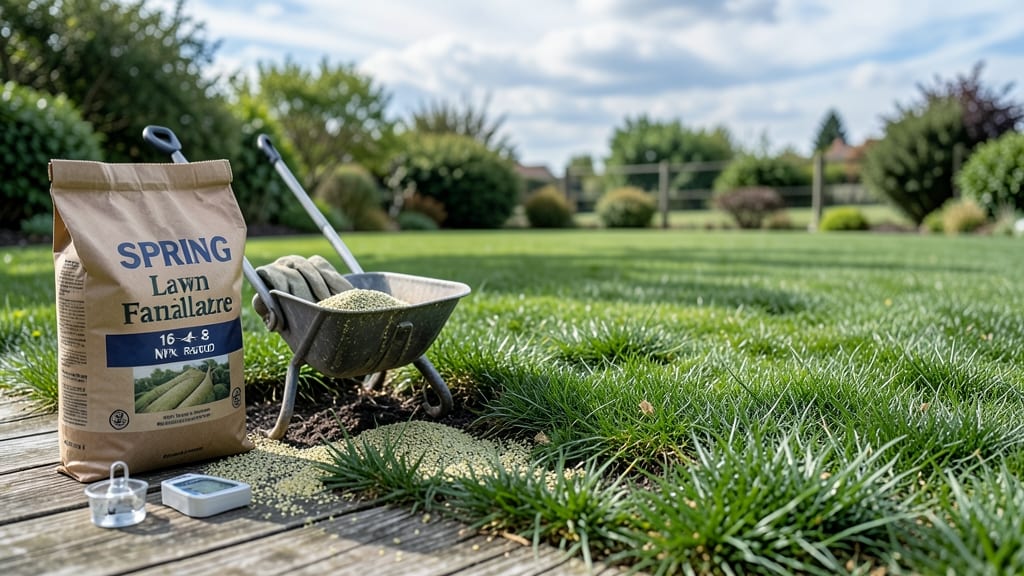
The best time to fertilize lawn in spring is when soil temperatures hit 55°F and grass shows new growth 🌱 — usually late March to early April in most of the U.S.
Timing your spring lawn fertilization perfectly can mean the difference between a lush, vibrant green carpet and a patchy, struggling yard—so when exactly should you apply fertilizer for maximum impact?
In Zone 6, where many homeowners live, waiting until after the last frost (around mid-April) ensures tender grass isn’t burned by cold snaps. But if you’re in the South, warm-season grasses like Bermuda need fertilizer as early as February to kickstart growth.
Below, I’ll break down the ideal windows by climate zone, how to prep your soil, and the 3 key signs your lawn is ready—so you can avoid over- or under-feeding and keep your yard thriving all season.

Optimal spring fertilization timeline by US climate zones
Spring fertilization is the cornerstone of a vibrant lawn, but the perfect timing varies dramatically across the U.S. Cool-season grasses in the North need early spring feeding, while warm-season grasses in the South thrive with late spring applications. Soil temperature and rainfall patterns act as your natural cues—ignore them at your peril.
For example, fertilizing too early in cold climates can burn tender grass, while waiting too late in warm zones lets weeds take over.
Your USDA hardiness zone determines whether you're dealing with cool-season grasses (like Kentucky bluegrass or fescue) or warm-season varieties (such as Bermuda or Zoysia). Each type has a distinct window where fertilizer absorption peaks.
In Zone 3-5, early spring (March-April) is critical, while Zone 8-10 lawns shouldn't see fertilizer until May or June. Missing this window means wasted fertilizer and stunted growth.
Beyond zones, pay attention to soil temperature—cool-season grasses need soil at 50°F+ for 2-3 weeks before fertilizing, while warm-season grasses require 65°F+.
A soil thermometer (just $10) is your best friend here. Rainfall also shifts timing: In drought-prone areas like California, wait for consistent moisture before applying fertilizer to prevent runoff.
Here’s how to align your fertilization schedule with your climate—because one size doesn’t fit all when it comes to lawn care.
| Climate Zone | Grass Type | Ideal Fertilization Window | Soil Temp Trigger | Rainfall Consideration | Key Action |
|---|---|---|---|---|---|
| Zones 3-5 (North) | Cool-season (Kentucky bluegrass, Fescue) | Early Spring (March-April) | 50°F+ for 2-3 weeks | Wait for 1-2 inches of rain post-application | Apply high-nitrogen fertilizer (30-0-4) after first mow |
| Zones 6-7 (Mid-Atlantic) | Transition (Tall fescue, Ryegrass) | Late March to Early May | 55°F+ for 1 week | Avoid fertilizing before heavy rains | Use slow-release fertilizer to extend growth |
| Zones 8-10 (South) | Warm-season (Bermuda, Zoysia, St. Augustine) | Late Spring (May-June) | 65°F+ for 1 week | Irrigate 24 hours before/after fertilizing | Apply potassium-rich fertilizer (10-0-20) for root strength |
| Drought Zones (SW, CA) | Drought-tolerant (Buffalo grass, Drought Master) | Post-Monsoon (July-August) | 70°F+ with moisture | Water deeply 3 days before fertilizing | Use low-nitrogen (10-10-10) to prevent stress |
In Zones 3-5, my rule of thumb is to fertilize after the last frost but before rapid growth kicks in—usually by early April.
Cool-season grasses wake up hungry, and missing this window means they’ll struggle to outcompete weeds. Pro tip: Pair your first feeding with overseeding for thicker turf.
For example, in Zone 4, I apply fertilizer in late March, then overseed in early April while the soil is still cool but workable.
Southern lawns in Zones 8-10 follow a different rhythm. Here, the goal is to stimulate warm-season grasses as they break dormancy in late spring. Wait until May or June—fertilizing earlier can stress grass that’s still dormant.
In Florida or Texas, I’ve seen lawns burn when homeowners fertilize in April. Timing is everything: Aim for when dandelions bloom (a natural cue) or when soil temps hit 65°F consistently.
Rainfall patterns also dictate your schedule. In humid climates like the Southeast, heavy rains can wash away fertilizer, so I recommend applying it 24-48 hours before a forecasted downpour.
Conversely, in arid regions, I wait for deep watering to activate the fertilizer. Never fertilize before rain—it’s a recipe for runoff and wasted money. Instead, check your
5 Key signs your lawn is ready for spring fertilizer
Spring is the perfect time to give your lawn the nutrients it needs to thrive, but applying fertilizer too early or late can waste money and harm your grass. Instead of guessing, watch for these 5 key signs that your lawn is ready for spring fertilization.
These indicators—like soil temperature and grass growth patterns—ensure you feed your lawn when it's primed for maximum absorption and growth.
One of the most reliable signs is soil temperature. When soil reaches 55-60°F about 4 inches deep, it’s time to fertilize. This warmth signals that grass roots are waking up from winter dormancy and ready to absorb nutrients.
Pair this with active grass growth, like new shoots appearing after mowing, to confirm your lawn is ready.
🌱
Use a soil thermometer to check 4" deep. Warm soil means roots are active and ready to absorb nutrients.
New shoots appear after mowing, and blades grow 1-2 inches in 2 weeks. This signals active growth.
These weeds thrive in warm soil and indicate ideal fertilization timing for cool-season grasses.
Worms emerge when soil is moist and warm, a sign your lawn’s ecosystem is active and ready for fertilization.
Avoid fertilizing if your lawn has yellow patches or bare spots. Wait until grass is uniformly green and resilient.
Another critical sign is the appearance of dandelions blooming in your lawn. These weeds are nature’s way of telling you the soil is warm enough for fertilization.
For cool-season grasses like Kentucky bluegrass or fescue, this usually happens in early to mid-spring, while warm-season grasses like Bermuda or Zoysia may need fertilization later, around late spring.
Pay attention to earthworm activity as well. When you see worms crawling on the surface or their castings in your lawn, it’s a clear signal that the soil is moist and warm—perfect conditions for fertilization.
Worms also help aerate the soil, making it easier for roots to absorb nutrients from the fertilizer.
Finally, avoid fertilizing if your lawn still has yellow patches or bare spots. These signs indicate stress or poor health, and adding fertilizer too soon can burn tender grass. Instead, focus on soil health—test your soil’s pH and amend it if needed—before applying any nutrients.
By combining these 5 key signs with the right fertilizer type (high-nitrogen for growth, potassium for root strength), you’ll give your lawn the best chance to thrive all season long. Timing is everything, so wait for these cues before reaching for the spreader! ✂️