
Lawn
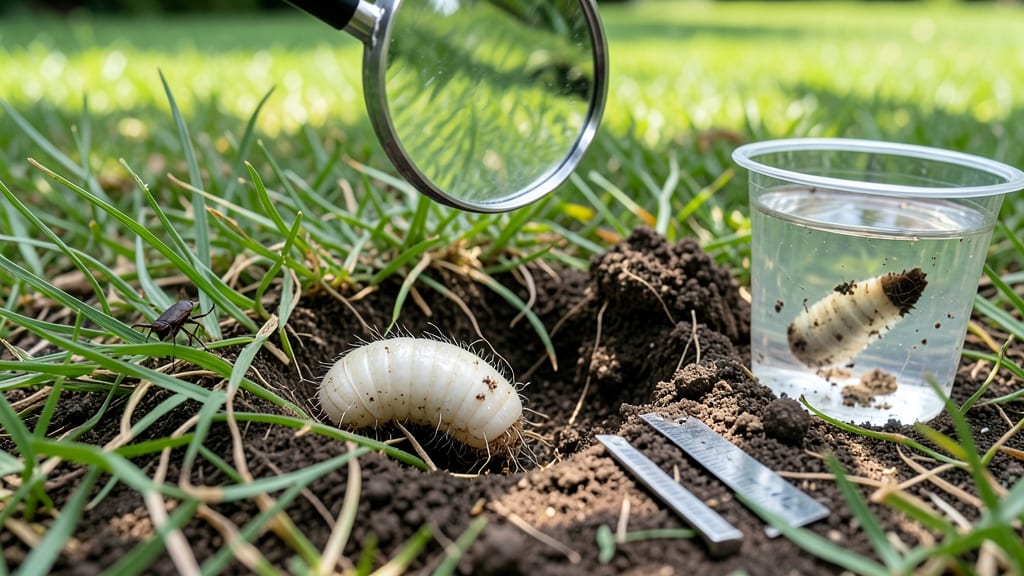
What causes holes in your lawn that multiply overnight? 🌱 The culprits are usually grubs, moles, or voles—and they’re all wreaking havoc differently. I’ve spent years patching up my own lawn after discovering these critters, and the first step is figuring out which one you’re dealing with before you can fix it. Grubs leave behind small, irregular holes with brown patches nearby, while moles create neat, fan-shaped tunnels and push up mounds of dirt. Voles, on the other hand, chew through grass in straight lines and leave behind tiny, shallow holes. The key is noticing the size, shape, and where they appear—because the solution changes completely depending on the pest. Once you identify the troublemaker, you can take targeted action. For grubs, milky spore or nematodes work wonders, while moles respond to castor oil-based repellents or trapping. Voles? Steel mesh barriers save the day. The good news? Each fix is simpler than you think—and your lawn will thank you. Prevention is the real game-changer. Overseeding in fall, aerating annually, and keeping your lawn healthy makes it less inviting for pests. Trust me, once you stop the cycle, you’ll enjoy that lush, hole-free carpet again in no time.
Hidden Forces Behind Lawn Holes
Your lawn’s mysterious craters aren’t just random bad luck—they’re often the work of tiny but mighty troublemakers. From underground invaders to environmental stressors, these causes turn lush grass into a Swiss cheese landscape. Let’s dig into the science behind the damage and uncover what’s really gnawing away at your turf.
Grubs, the larvae of beetles like Japanese beetles or June bugs, are the #1 culprit behind sudden lawn holes. Here’s how they do it:
- Life Cycle Attack: Grubs hatch in late spring/early summer, feed on grass roots for 4–6 weeks, then pupate underground. By fall, their feeding weakens roots, causing patches to pull up easily—often after rain or foot traffic.
- Root Destruction: A single grub can devour 0.5–1 square foot of grass roots per season. When thousands are at work, entire sections lose structural support and collapse into holes.
- Tell-Tale Signs: Look for chewed roots (white, jagged edges) when you lift sod. Adult beetles swarming lights at dusk? That’s a red flag for next year’s grub outbreak.
> 💡 Pro Tip: Dig a small patch of lawn (6" x 6") in late summer. If you find 5+ grubs per square foot, treatment is urgent. Use beneficial nematodes (like Heterorhabditis bacteriophora) or milky spore for organic control.
Moles don’t eat grass—they eat grubs (and worms), but their tunnels create the perfect conditions for holes to form:
- Tunnel Collapse: Moles dig 3–4 inches deep, creating a labyrinth of tunnels. When tunnels weaken, rain or mowing can cause the soil above to sink or cave in, leaving crater-like holes.
- Secondary Damage: Moles thrive where grubs are abundant. If you see voles (field mice) later, they’ll exploit mole tunnels to gnaw roots, worsening the problem.
- How to Spot Them: Fresh volcanic mounds (not worm casts) or raised ridges in the lawn are mole giveaways. Listen for scratching sounds at night near problem areas.
> ✨ Quick Fix: Set castor oil-based mole repellents in tunnels or use sonic spikes (ultrasonic devices) to deter them. Avoid traps—they can harm pets or non-target animals.
Fungal infections like brown patch or dollar spot weaken grass roots, making them vulnerable to holes:
- Root Rot: Fungi like Rhizoctonia solani thrive in hot, humid conditions, causing roots to disintegrate. Weakened grass pulls up easily, leaving irregular holes (not circular like grubs).
- Thatch Buildup: A thatch layer thicker than 0.5 inches traps moisture, inviting fungi. Overwatering or compacted soil accelerates decay.
- Symptoms: Straw-colored patches, slimy roots, and a musty smell when digging. Holes often appear after heavy dew or rain.
> 🔥 Prevention: Improve drainage, aerate annually, and apply fungicide (like propiconazole) in early morning to avoid burning grass.
Pets and wildlife turn lawns into a crime scene with their digging habits:
- Dogs: Excavating for buried toys or chasing squirrels creates deep, irregular holes. Sand or mulch patches can trigger paw injuries, encouraging repeat visits.
- Rabbits/Raccoons: Dig shallow, wide holes (2–4" deep) to escape predators or uncover food. Their holes often have scratched edges from claws.
- Armadillos: These nocturnal diggers create large, bowl-shaped holes (6–12" wide) while hunting insects. They’re common in southern U.S. lawns.
> 🎯 Solution: Use chicken wire barriers (4" deep) around high-risk areas. For dogs, train with positive reinforcement and fill holes immediately with sand or soil.
Sometimes, holes aren’t caused by living things—just unlucky timing:
- Heavy Foot Traffic: Compacted soil + weak roots = sudden sinkholes after rain. Common in play areas or near patios.
- Drought Stress: Drought weakens grass, making it susceptible to erosion. A single heavy watering can wash out roots, leaving gaps.
- Soil Erosion: Sloped lawns or poor drainage cause topsoil to wash away, exposing bare spots that look like holes.
> 🌡️ Fix It: Overseed bare patches, improve drainage with sand topdressing, and water deeply but infrequently (1–1.5" per week).
Now that you know the culprits, the next step is targeted action. Whether it’s grubs, moles, or Mother Nature herself, addressing the root cause (literally!) will restore your lawn to its former glory. 🚀
Fixing Lawn Holes Step by Step
Now that you’ve identified the culprit behind those pesky lawn holes—whether it’s grubs, moles, or another issue—it’s time to take action! The good news? Most fixes are straightforward, and with a little effort, your lawn can bounce back to lush perfection.
Below, we’ve mapped out practical solutions for each common cause, plus prevention tips to keep future damage at bay.
Grubs are sneaky little pests, and their presence means your lawn is under siege. Here’s how to evict them and restore your turf:
🔥 Step 1: Confirm the Problem
Before treating, verify grubs are the issue:
- Dig a small patch (about 6 inches deep) and check for white, C-shaped larvae.
- If you find 10+ grubs per square foot, it’s time to act.
🍳 Step 2: Apply Grub Control
Choose one of these effective methods:
- Chemical Treatments (Fastest Fix)
- Use imidacloprid or chlorantraniliprole (look for brands like Merit or Scotts GrubEx).
- When to apply: Late spring to early summer (when grubs are young and vulnerable).
- How: Follow label instructions—usually involves watering in the treatment.
- Natural & Organic Options - Nematodes: Microscopic worms (Heterorhabditis bacteriophora) that kill grubs naturally. Apply in early evening with a hose-end sprayer. - Milky Spore: A bacteria (Bacillus popilliae) that targets Japanese beetle grubs.
Takes 2–3 years to fully establish but is long-lasting. - Beneficial Insects: Encourage birds (like skunks’ natural predators) or release ground beetles, which eat grubs.
👨🍳 Step 3: Repair the Lawn Once grubs are gone, patch those holes: 1. Rake out dead grass and loosen the soil. 2. Fill with topsoil (or a 50/50 mix of topsoil and compost).
- Sow new seed (match your existing grass type) and cover lightly with straw.
- Water gently to keep soil moist until germination (7–14 days).
💡 Prevention Tips
- Aerate annually to reduce compacted soil (grubs love tight turf).
- Mow high (3–4 inches) to shade out weeds and stress grubs.
- Apply milky spore in fall for long-term grub control.
Moles aren’t just digging holes—they’re tunneling underground, uprooting grass and leaving behind unsightly mounds. Here’s how to send them packing:
🔪 Step 1: Choose the Right Trap
- Scissor traps (most humane) or choker-style traps work best.
- When to set traps: Early morning or late evening (when moles are active).
- Where to place: Along active tunnels (not just mounds—moles rest underground).
⏰ Step 2: Bait and Set Properly 1. Dig a small hole (6–8 inches deep) over a tunnel. 2. Place the trap with the opening facing the tunnel.
- Cover with soil and leave undisturbed for 24–48 hours.
- Check traps daily—remove any dead moles promptly to avoid scent attracting others.
🌱 Step 3: Repair Mole Damage
- Fill tunnels with a soil-sand mix (60% topsoil, 40% sand) to prevent collapse.
- Reseed bare spots immediately (use a starter fertilizer for faster growth).
- Overseed the entire lawn if damage is widespread.
🎯 Prevention Tips
- Castor oil repellent: Spray a 1% solution (mix 1 part oil with 10 parts water) around the yard to deter moles.
- Remove grubs: Moles eat grubs—controlling grub populations reduces mole interest.
- Install hardware cloth: Bury ¼-inch mesh 2 feet deep around garden beds to block moles.
- Plant mole-resistant ground covers: Clover, ferns, and hostas are less appealing than lush turf.
Not all holes are from grubs or moles. Here’s how to handle other common culprits:
| Cause | Solution | Prevention |
|---|---|---|
| Dog Urine Burns | Rake out dead patches, overseed, and water deeply to dilute future urine. | Train dogs to urinate on gravel or mulch. |
| Foot Traffic Compaction | Aerate, top-dress with sand/compost, and reseeds. | Use stepping stones or paths. |
| Drought Stress | Water deeply 2x/week, apply mulch, and fertilize for recovery. | Install a drip irrigation system. |
| Fungal Disease | Remove affected grass, apply fungicide, and improve drainage. | Avoid overwatering; water in mornings. |
The best defense is a strong, healthy lawn.
Follow these pro tips to keep problems at bay: - Test your soil every 2–3 years and adjust pH/fertility as needed. - Mow high (3–4 inches) to encourage deep roots and shade out weeds. - Dethatch annually if your lawn has a thick thatch layer (over ½ inch). - Rotate treatments: If you use chemicals, alternate with natural methods to avoid resistance.
With these targeted fixes, your lawn will be back in top shape in no time. And remember: consistency is key—healthy turf is the best deterrent against holes, pests, and damage! 🌿💚
Frequently asked questions
Why do holes appear suddenly in my lawn?
Sudden holes usually mean grubs, moles, or voles are active. Grubs weaken roots so patches pull up easily after rain, while moles create tunnels that collapse. Voles chew roots in straight lines, causing grass to die back. Check for brown patches, tunnels, or scratched edges to identify the culprit.
How can I tell if moles are causing my lawn holes?
Moles leave volcanic mounds (not worm casts) and create raised ridges in the lawn. Their holes are often 2–4 inches wide with no grass pulled up—just soil pushed upward. Listen for scratching sounds at night near problem areas.
Will filling holes with soil fix the problem?
Filling holes is a temporary fix—it won’t stop the cause. First identify the problem (grubs, moles, etc.), treat the root issue, then patch with topsoil and seed. Without addressing the source, new holes will appear in 2–4 weeks.
Are there natural ways to prevent lawn holes?
Yes! Aerate annually to reduce compaction, mow high (3–4 inches) to shade out pests, and overseed in fall for dense grass. For grubs, apply beneficial nematodes or milky spore. Castor oil repels moles naturally.
Can pets or wildlife be the reason for holes?
Dogs dig for buried toys, leaving deep, irregular holes. Raccoons and armadillos create large, bowl-shaped holes while hunting insects. Use chicken wire barriers (4" deep) or train pets to avoid digging spots.