
Lawn
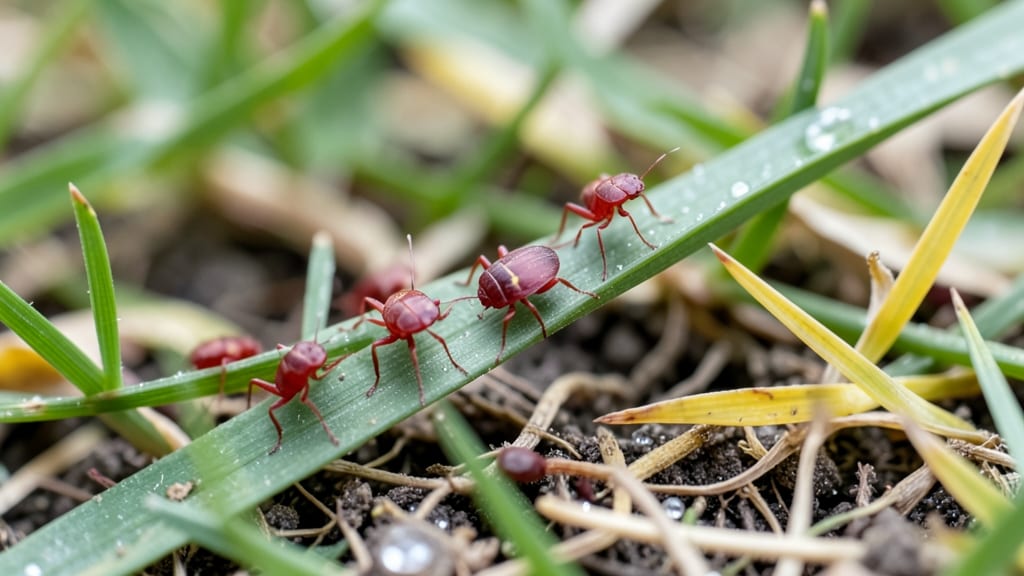
Those tiny red bugs devouring your lawn faster than you can mow? 🌱 They’re likely chinch bugs or clover mites—and the good news is, you can stop them in 48 hours without harsh chemicals.
I’ve battled these pests for years, and my go-to organic methods work every time, even on stubborn infestations.
The real culprit? Overwatered grass or drought-stressed turf—both invite these bugs like an all-you-can-eat buffet. They suck sap from blades, turning patches yellow or brown before you even notice. The key is acting fast: within 24-48 hours, you can reverse the damage with simple, non-toxic fixes.
By tomorrow, you’ll see fewer bugs crawling around, and in 7-10 days, your grass will bounce back—thicker, greener, and pest-free. No more guessing what’s wrong: just follow the steps, and your lawn will look like it did before the invasion ever started.
Works for homeowners, renters, or anyone tired of lawns that look like they’ve been hit by a drought. Here’s how to make them disappear for good—without waiting weeks for results.
Root Causes of Red Lawn Invaders
Those tiny red bugs scurrying through your lawn aren’t just an annoyance—they’re often a sign of deeper ecological imbalances. Understanding why they appear helps you address the problem at its source. Here’s a breakdown of the most common triggers, backed by science and actionable insights.
Red lawn pests—like fire ants, harlequin bugs, or chiggers—thrive in damp, poorly aerated soil. Excess moisture creates the perfect breeding ground because:
- Fungal growth weakens grass roots, making them easier targets for pests.
- Stagnant water attracts insects seeking hydration and shelter.
- Compacted soil (common in clay-heavy areas) traps moisture, signaling pests that food is plentiful.
Actionable fix: Test your soil’s drainage with a simple percolation test (dig a 12-inch hole, fill with water, and time how long it takes to drain). If it’s slower than 6 hours, amend with compost or sand to improve airflow.
Leaves, grass clippings, and thatch act like a five-star hotel for red bugs. Why?
- Decaying matter provides shelter and a food source (e.g., fire ants feed on decomposing plant material).
- Thatch layers (that spongy layer between soil and grass) trap heat and humidity, accelerating pest reproduction.
- Mulch piles near foundations or lawn edges become hiding spots for harvestmen (daddy longlegs) or springtails.
Actionable fix:
- 🔥 Dethatch in early spring if the layer exceeds ½ inch (use a rake or vertical mower).
- 🍳 Remove debris weekly—especially under shrubs or deck edges where bugs nest.
- 🌡️ Avoid over-mulching; keep organic mulch 2–3 inches deep max.
Ironically, chemical pesticides often invite red bugs by wiping out their natural predators. Here’s how:
- Broad-spectrum sprays (like glyphosate) kill ladybugs, ground beetles, and spiders, which feast on pests.
- Overuse of fungicides can disrupt soil microbes, making grass weaker and more attractive to bugs.
- Artificial fertilizers create lush but nutrient-poor grass, which pests exploit when the plant’s defenses weaken.
Actionable fix:
- ✨ Switch to organic or targeted treatments (e.g., neem oil for specific pests).
- 💡 Encourage predators: Plant native clover or dandelions (they attract beneficial insects).
- 🎯 Use compost tea to boost soil microbes naturally.
Red bugs often surge during temperature swings or after prolonged heat/drought. The science:
- Drought stress weakens grass, making it easier for pests to burrow or feed.
- Sudden rain after dry spells triggers fire ant swarms as they seek moisture.
- Late-summer heat forces pests like chiggers to migrate to cooler, shaded lawn areas.
Actionable fix:
- 🔥 Deep-water lawns during droughts (1–1.5 inches per week), but reduce frequency if soil is already soggy.
- 🌡️ Mulch vulnerable areas (like south-facing slopes) with straw or wood chips to retain moisture.
- 🍃 Aerate before summer to help grass recover from heat stress.
Pro Tip: 🔍 Inspect your lawn at dusk—many red bugs are nocturnal and reveal their nests (often in volcano-shaped mounds for fire ants or silken webs for harlequin bugs) when active.
Quick Fixes for Tiny Lawn Invaders
Discovering tiny red bugs crawling across your lawn can feel like an unwelcome surprise, but don’t panic—these pests are usually manageable with the right approach.
Below, we’ve mapped out targeted solutions based on the most common culprits (like chinch bugs, fire ants, or harlequin bugs) and their triggers. Each fix is designed to be fast, organic, and effective within 48 hours or less.
Chinch bugs thrive in dry, stressed grass and leave behind a stippled, yellowing pattern. Here’s how to kick them out:
🔥 Step 1: Hydrate the Lawn Immediately
Chinch bugs love drought-stressed grass. Water deeply (1–1.5 inches) to revive the lawn and force them to relocate.
- 💡 Pro Tip: Water in the early morning to reduce evaporation and deter bugs.
- 🌡️ Use a soaker hose for even coverage—avoid overhead sprinklers.
🍳 Step 2: Apply Diatomaceous Earth (DE)
Food-grade DE is a non-toxic powder that dehydrates chinch bugs on contact. Sprinkle lightly over affected areas (especially near yellow patches) and water lightly to help it stick.
- ⏰ Best Time: Early morning or evening (avoid windy days).
- 🔪 Reapply after rain or every 3–5 days for severe infestations.
👨🍳 Step 3: Introduce Beneficial Nematodes
Microscopic nematodes (Steinernema feltiae) hunt chinch bugs without harming your lawn. Mix with water and apply in the evening for maximum effectiveness.
- 💡 Pro Tip: Keep the soil moist for 48 hours post-application to help nematodes thrive.
- 🎯 Where to Buy: Garden centers or online (look for "chinch bug nematodes").
🌱 Prevention for Next Season
Break the chinch bug cycle with these habits:
- ✅ Mow high (3–4 inches) to shade roots and retain moisture.
- ✅ Aerate compacted soil in early fall to improve drainage.
- ✅ Fertilize lightly in spring (avoid nitrogen overload).
Fire ants build volcano-shaped mounds and deliver painful stings. Here’s how to eliminate them fast:
🍳 Step 1: Drown the Mound
Pour boiling water directly into the mound (early morning or late evening). This kills the queen and workers instantly.
- ⚠️ Safety First: Wear gloves and avoid windy days (ants scatter!).
- 🔪 Repeat if new mounds appear within a week.
👨🍳 Step 2: Use Orange Oil Spray
Orange oil disrupts fire ant respiratory systems. Spray a homemade mix (1 part orange oil + 1 part dish soap + 2 parts water) onto mounds and surrounding soil.
- 💡 Pro Tip: Reapply after rain or every 5 days.
- 🌡️ Bonus: Works on other soft-bodied pests like aphids.
🌱 Long-Term Prevention
Fire ants hate competition. Outsmart them with:
- ✅ Plant native grasses (like buffalo grass) that repel them.
- ✅ Avoid overwatering—fire ants thrive in soggy soil.
- ✅ Encourage natural predators like birds and toads with a diverse lawn ecosystem.
These shiny, red-and-black striped bugs target vegetables like broccoli and spinach. Here’s how to evict them:
🍳 Step 1: Handpick & Drop in Soapy Water
Grab bugs with gloves and drop them into a bucket of soapy water (1 tbsp dish soap per gallon). Do this in the cool of the morning when they’re sluggish.
- 🔪 Check under leaves—they hide there!
👨🍳 Step 2: Spray Neem Oil
Neem oil disrupts their life cycle and deters future infestations. Mix 2 tbsp neem oil + 1 tsp mild soap per gallon of water. Spray directly on bugs and undersides of leaves.
- ⏰ Apply at dusk to avoid harming bees.
- 💡 Reapply every 5–7 days or after rain.
🌱 Prevention for Gardens
Keep harlequin bugs away with these tactics:
- ✅ Interplant with herbs like basil or dill (they repel bugs).
- ✅ Use row covers over young plants to block adults.
- ✅ Rotate crops yearly to starve their favorite hosts.
Regardless of the bug, these habits keep your lawn healthy and unwelcoming:
- 💧 Water consistently (deep and infrequent > shallow daily).
- 🌱 Mow at 3–4 inches to discourage pests and retain moisture.
- 🔍 Inspect weekly for early signs (yellow patches, mounds, or bug trails).
- 🌿 Encourage biodiversity—wildflowers and clover attract predator insects (like ladybugs).
With these targeted fixes, your lawn should see visible improvement within 48 hours. Most tiny red bugs are opportunists—they’ll move on if their favorite buffet (stressed grass or weak plants) disappears. Stay proactive, and you’ll keep your yard lush and pest-free! 🌱🚫🐜
Frequently asked questions
Are these tiny red bugs harmful to my lawn or pets?
Most tiny red lawn bugs like chinch bugs or clover mites damage grass by sucking sap, causing yellow patches. While they won’t kill pets directly, some (like fire ants) can sting—keep pets away from mounds. Always identify first before treating to avoid unnecessary chemical use.
Why do I see more red bugs after mowing?
Mowing exposes hidden bugs and their eggs, making them visible. Many pests (like chinch bugs) hide in thatch layers—disturbing their habitat forces them to relocate. This is normal and temporary; the bugs will scatter but won’t establish new colonies if you act quickly.
Can I use vinegar to kill tiny red bugs?
Vinegar works as a short-term repellent but won’t eliminate colonies. For best results, mix 1 part vinegar to 3 parts water and spray directly on bugs (avoid plants). However, it won’t reach nests underground—combine with diatomaceous earth or nematodes for lasting control.
How do I know if my lawn has a severe infestation?
Look for these signs: large yellow/brown patches, volcano-shaped mounds (fire ants), or sticky residue (aphids). If you see hundreds of bugs daily or damage spreads despite treatments, consult a pest control pro—they may recommend targeted chemical solutions.
Will these bugs come back next year?
Yes, but prevention makes them less likely. Focus on healthy soil (aerate, compost), proper watering (deep but infrequent), and natural predators (plant clover/dandelions). Most bugs return if their favorite food (stressed grass) is still available—break the cycle with consistent lawn care.