
Lawn
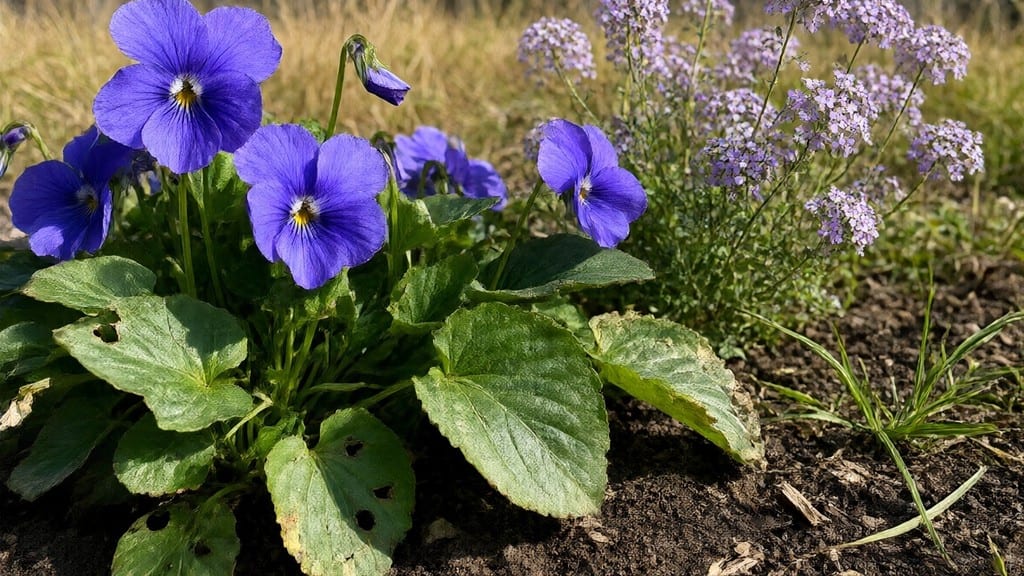
Those tiny purple wildflowers popping up in your grass aren't weeds—they're a pollinator's dream. ✨ The first time I noticed them thriving in my own yard, I realized how much they transform a dull lawn into a buzzing ecosystem.
These little blooms need zero deadheading, spread effortlessly, and keep bees, butterflies, and beneficial insects visiting all season.
Planting them is simpler than you'd think—just scatter seeds in early spring or fall, let them self-seed, and enjoy the results. They handle foot traffic better than most lawns and bloom from spring through fall, with some varieties even flowering into winter.
The key is keeping mowing low enough to preserve the blooms while still maintaining a tidy look.
You'll end up with a lawn that looks intentional, not overworked—soft purple carpets where clover once grew, and a constant parade of pollinators. The best part? These wildflowers outcompete weeds naturally, so once established, they require almost no maintenance beyond an occasional trim.
Perfect for busy gardeners who still want beauty and function.
Works equally well in suburban yards, urban green spaces, or even container gardens on patios. The only rule is to avoid heavy herbicides, and these tough little plants will take care of the rest. Let's get those pollinators visiting!
Nature’s Secret Wildflower Show
Those tiny purple blooms popping up unexpectedly in your grass aren’t just a pretty surprise—they’re a sign of nature’s clever strategies at work.
Whether you’re staring at a newly seeded lawn or a patch of overgrown grass, these delicate wildflowers appear for specific reasons, often tied to environmental conditions, soil health, and even human activity. Let’s break down why they suddenly take over your yard like a vibrant, low-maintenance ground cover.
🌱 Soil disturbance triggers germination
One of the biggest reasons you see tiny purple wildflowers in grass is because they’re opportunists. Many of these flowers—like Phacelia, Lobularia (sweet alyssum), or Trifolium (clover)—lie dormant in the soil as seeds for years until something disrupts the surface.
- 🔥 Lawn Aeration or Tilling: When you aerate your lawn or till the soil (even accidentally with a shovel or foot traffic), you create tiny gaps that let sunlight and moisture reach buried seeds. Pro tip: If you’re aerating, you might accidentally invite a wildflower party—consider it a free pollinator buffet!
- 🌡️ Temperature Fluctuations: Some wildflower seeds need a period of cold (stratification) followed by warmth to germinate. A late-winter thaw or an unusually mild spring can wake them up all at once.
- 💡 Watering or Rain: After a dry spell, even a light rain or overwatering can soften compacted soil, allowing seeds to sprout. Actionable tip: If you’re dealing with clay-heavy soil, try deep but infrequent watering to encourage wildflowers without overdoing it.
Even minimal disturbance—like footprints in a damp lawn or a gust of wind shifting mulch—can expose seeds to the perfect conditions. Think of it as nature’s way of saying, “The stage is set—let’s grow!”
🌿 Sunlight and lawn neglect create ideal conditions
Wildflowers thrive where grass struggles: in thin, patchy, or sun-drenched spots. If your lawn has bare patches (thanks to drought, disease, or heavy foot traffic), those gaps become prime real estate for wildflower seeds already lurking in the soil.
- 🔄 Thinning Grass: Cool-season grasses (like fescue or ryegrass) thin out in summer heat, while warm-season grasses (like Bermuda or Zoysia) may struggle in early spring. Wildflowers fill the gaps like a self-seeding garden.
- 🌞 Full Sun Exposure: Most tiny purple wildflowers (like Viola or Cerastium) love 6+ hours of sunlight daily. If your lawn has sunny spots where grass is sparse, expect a purple explosion.
- 🌱 Reduced Fertilizer Use: Wildflowers hate rich, nitrogen-heavy soil—they prefer leaner conditions. If you’ve cut back on fertilizer (or your soil is naturally poor), you’re creating the perfect wildflower haven.
Pro tip: If you want to encourage these blooms, mow high (3–4 inches) in early spring to shade out weeds and let wildflowers peek through. Or, try spot-seeding native wildflower mixes in sunny patches for a guaranteed show!
🐝 Pollinators and seed spread are silent partners
Wildflowers don’t just appear—they hitchhike into your lawn via wind, water, animals, and even your own gardening tools. Their tiny seeds travel far, and once they land in the right spot, they germinate with ease.
- 💨 Wind Dispersal: Seeds from dandelions, clover, or even neighboring wildflower meadows can blow into your grass. Fun fact: Some seeds (like those from Trifolium) have tiny hooks that catch on fur or clothing—so your dog or kids might be the unwitting delivery service!
- 🐦 Animal Activity: Birds, squirrels, and even insects carry seeds in their fur or beaks. A single visit from a goldfinch feasting on nearby weeds can drop a seed bomb in your lawn.
- 🌊 Water Movement: After heavy rain, seeds can wash into grassy areas from sidewalks, gardens, or roadsides. This is why you might see wildflowers suddenly pop up after a storm.
Once established, these flowers self-seed aggressively, ensuring their purple presence year after year. Actionable tip: If you love the look, let them spread! If not, hand-pull them before they go to seed in late summer.
🔬 Soil chemistry and pH play a hidden role
Not all soil is created equal—and wildflowers know exactly which conditions they prefer. If your lawn soil is alkaline, sandy, or low in organic matter, you’re more likely to see wildflowers than thick grass.
| Soil Type | Wildflower Favorites | Why They Thrive |
|---|---|---|
| Sandy or Poor Soil | Phacelia, Cerastium, Lobularia | These flowers hate competition and do well where grass struggles to take root. |
| Alkaline Soil (pH 7.5+) | Viola (violet), Trifolium (clover) | Grass often yellows in alkaline conditions, leaving room for wildflowers to move in. |
| Compacted or Clay-Heavy Soil | Dandelion, Plantago (plantain) | These pioneer plants break up tough soil, making way for other wildflowers. |
💡 Pro tip: Test your soil’s pH (kits are cheap and easy!). If it’s highly alkaline, amending with sulfur or peat moss can help grass compete—but if you want wildflowers, do nothing and enjoy the show!
How to solve it
Those tiny purple wildflowers popping up in your grass might seem like a charming surprise, but if they’re overrunning your lawn or you’re unsure how to nurture them, don’t worry—there’s no need for drastic action!
With a few simple steps, you can encourage their growth, control their spread, or even turn them into a pollinator-friendly feature. Here’s how to tackle common concerns with practical, low-effort solutions.
###
🌱 Encourage More Wildflowers (If That’s Your Goal)
If you love these little blooms and want to see more, you’re in luck—they’re often self-sustaining and thrive with minimal intervention. Here’s how to give them a helping hand:
- 💧 Water lightly but consistently: Wildflowers like clover, phacelia, or self-heal (common tiny purple varieties) prefer well-drained soil but don’t need soggy conditions. Water deeply 1–2 times per week during dry spells, especially in their first growing season.
- ☀️ Choose the right spot: Most tiny purple wildflowers adore full sun (6+ hours of light daily). If your lawn has shady patches, consider planting them near edges or in sunlit areas where grass struggles to grow.
- 🌿 Mow less (or strategically): If the wildflowers are thriving, raise your mower blade to 3–4 inches to protect them. For a wildflower meadow look, mow once in late summer or early fall to allow seeds to set before winter.
- 🌱 Skip the fertilizer: Wildflowers often bloom best in low-nutrient soil. Over-fertilizing can choke them out. Instead, add a thin layer of compost in early spring to enrich the soil naturally.
💡 Pro Tip: If you want to intentionally grow more wildflowers, try scattering a few seeds of native varieties like violet, chickweed, or creeping phlox in sparse areas. They’ll self-seed over time!
###
🚫 Control Overgrowth Without Harming Pollinators
If your tiny purple wildflowers are taking over and you’d rather keep them in check, here’s how to manage them without resorting to herbicides (which can harm bees and butterflies):
- 🗡️ Hand-pull or spot-treat: For isolated patches, gently pull weeds after rain when the soil is soft. Use a hand trowel or weeding knife to avoid disturbing nearby grass roots.
- ✂️ Mow high and often: Set your mower to 3–4 inches and mow regularly. This discourages wildflowers from spreading while keeping your lawn healthy. Never bag the clippings—leave them to return nutrients to the soil!
- 🌱 Solarize or smother: For stubborn patches, cover the area with cardboard or thick mulch for 4–6 weeks to block sunlight. This kills weeds without chemicals. Remove the covering in early spring to replant grass or wildflowers.
- 🌿 Plant competitive ground covers: Fill bare spots with clover, creeping thyme, or moss, which outcompete weeds naturally. These plants also attract pollinators!
⚠️ Warning: Avoid vinegar or commercial herbicides—they can harm beneficial insects and leave behind toxic residues.
###
🐝 Protect Pollinators While Managing Growth
One of the best things about tiny purple wildflowers? They’re a buffet for bees, butterflies, and other pollinators. If you’re thinning them out, do it strategically to keep food sources available:
| When to Remove | When to Leave Alone |
|---|---|
| Late summer/fall (after seeds have dispersed) | Spring through early summer (peak blooming season) |
| Dead or diseased plants | Clusters near fences, edges, or garden borders |
| Weeds invading flower beds or veggie patches | Wildflowers in wild areas, meadows, or native gardens |
🌟 Bonus Idea: Create a pollinator patch by leaving a 2x2-foot section of your lawn unmowed. Plant native wildflowers around it to give bees a year-round food source!
###
🔄 Prevent Future Wildflower Takeover
Want to reduce wildflowers next season? Focus on lawn health—a thick, vibrant turf is the best natural deterrent. Try these tips:
- 🌱 Overseed thin areas: Fill bare spots with dense grass seed in early fall. Ryegrass or fescue are great choices for shade, while Bermuda or zoysia work for sunny lawns.
- 💧 Water deeply but less often: Encourage deep root growth by watering 1–1.5 inches per week (including rain). Shallow watering leads to weak grass that wildflowers exploit.
- 🌿 Aerate compacted soil: Use a core aerator in spring or fall to let air, water, and nutrients reach grass roots. This helps grass outcompete weeds.
- 🍄 Apply pre-emergent (sparingly):strong> If wildflowers are a persistent issue, use a natural pre-emergent like corn gluten meal in early spring. It prevents weed seeds from germinating without harming existing plants.
💡 Remember: Even if you reduce wildflowers, leaving a few patches ensures pollinators have a home. Think of it as strategic coexistence!
Frequently asked questions
Are tiny purple wildflowers in grass always a good sign?
They’re almost always beneficial! These blooms indicate healthy soil and attract pollinators like bees and butterflies. However, if they’re overrunning your lawn or you prefer a manicured look, you can manage them by mowing higher (3-4 inches) or spot-treating patches. The key is balance—even a few wildflowers support local ecosystems.
Which tiny purple wildflowers are best for pollinators?
Native varieties like violets, self-heal, and creeping phlox are top choices. These low-growing blooms provide nectar year-round and thrive in grassy areas. Avoid non-native species like microclover, which can spread aggressively. For maximum impact, plant a mix of early, mid, and late-season bloomers to feed pollinators continuously.
How do I keep wildflowers from spreading too much?
Prevent overgrowth by mowing before they seed (late summer) or hand-pulling small patches. For stubborn areas, solarize with cardboard or mulch for 4-6 weeks. If you love them, let them spread naturally—they outcompete weeds! Just avoid herbicides, which harm pollinators. A trim every 4-6 weeks keeps them manageable while maintaining a tidy lawn.
Can I grow tiny purple wildflowers in containers or small spaces?
Try sweet alyssum or dwarf phlox in pots or window boxes. Use well-draining soil and place in full sun. These varieties stay compact (6-12 inches tall) and bloom profusely. For urban balconies, mix with creeping thyme or moss to create a low-maintenance "lawn" alternative that attracts bees.
Why do some wildflowers appear suddenly after rain?
Rain triggers dormant seeds to germinate by softening compacted soil and providing moisture. Many wildflowers lie dormant for years until conditions are perfect. This is why you might see "explosions" of color after dry spells. To encourage more blooms, water deeply but infrequently—this mimics natural rainfall patterns and helps seeds establish.