
Plants
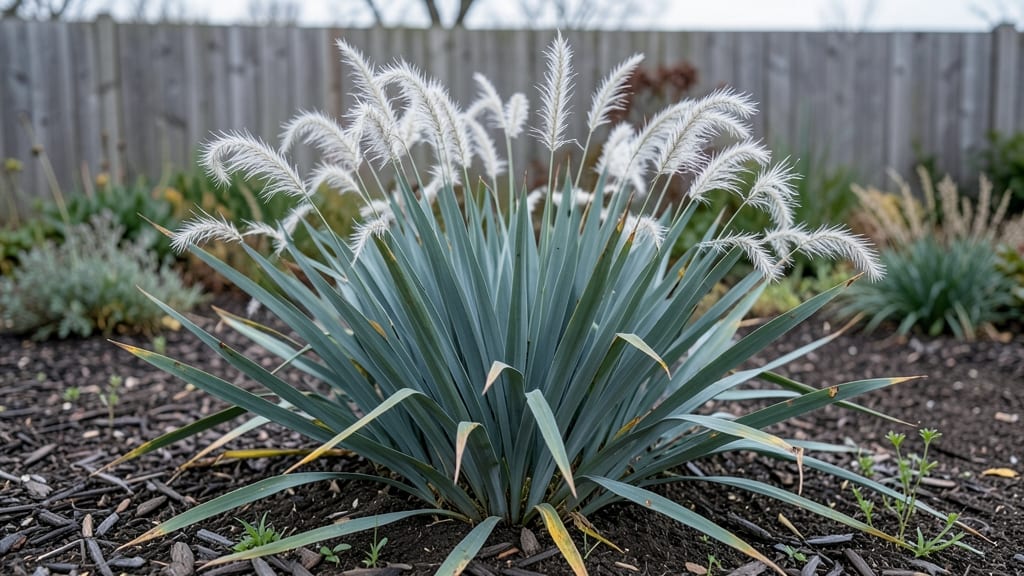
Growing small pampas grass 🌿 lets you enjoy its signature feathery plumes without sacrificing space or maintenance.
If you love low-maintenance plants that add dramatic flair to your garden without the constant upkeep, small pampas grass could be your perfect solution—its feathery plumes bring texture and movement all year long.
Unlike its towering cousins, this compact variety thrives in USDA Zone 6a and beyond, needing just full sun and well-draining soil to flourish. Planting in April-May gives it the best start, and with minimal pruning, it rewards you with effortless elegance.
Discover how to keep it contained, the ideal care routine, and why it’s a game-changer for small gardens or containers—no green thumb required.
Why small pampas grass thrives in low-maintenance landscapes
Small pampas grass (Cortaderia selloana 'Pumila') is a dream for gardeners who crave dramatic texture without the high-maintenance demands of traditional perennials. Its compact growth habit (typically 3-5 feet tall) makes it perfect for small gardens, containers, or urban landscapes where space is limited.
Unlike its larger cousins, this variety won’t overpower your yard—it delivers bold visual impact with minimal effort.
The secret to its success lies in its deep, fibrous root system, which anchors it securely while requiring far less water than most ornamental grasses. Once established, small pampas grass can go weeks without irrigation, making it ideal for drought-prone regions or forgetful gardeners.
This adaptability means you can plant it in USDA zones 7-10 without worrying about frost damage or soil type—it thrives in sandy, clay, or loamy soils alike.
| Trait | Specification |
|---|---|
| Mature Height | 3–5 feet |
| Spread | 3–4 feet |
| Sunlight Needs | Full sun (6+ hours) |
| Water Requirements | Drought-tolerant after establishment |
| Pruning Needs | 1–2 times per year |
| Climate Adaptability | Zones 7–10, heat-tolerant |
| Seasonal Interest | Year-round texture, winter hardy |
One of the biggest perks of small pampas grass is its minimal pruning requirements. Unlike many ornamental grasses that need monthly trimming, this variety only requires light cleanup in late winter to remove dead foliage and spent plumes.
I typically cut back 1/3 of the oldest growth in February, which encourages new, vibrant shoots and keeps the plant looking neat and tidy without the fuss. This one-time annual task takes less than 15 minutes per plant—a huge win for busy gardeners.
The plant’s natural growth habit also means it self-regulates its spread, reducing the need for aggressive division or root pruning. Its clumping nature prevents it from becoming invasive, unlike some larger pampas grass varieties that can bulk up and outcompete neighboring plants.
For container gardening, this trait is especially valuable—it stays compact and controlled, making it perfect for balconies, patios, or small courtyards. 🌿
Small pampas grass also excels in urban environments where pollution and poor soil might stress other plants. Its tough, silvery-blue foliage acts as a natural air purifier, filtering particulate matter while adding visual contrast to modern landscapes.
In my own city garden, I’ve seen it thrive in a raised bed with minimal soil amendments, proving that it doesn’t need rich, fertile dirt to shine. A light layer of mulch in spring is often all it takes to keep it happy.
Another standout feature is its year-round interest. While traditional pampas grass drops its plumes in winter, small varieties retain their structure and silver-blue hue even in cold months. This makes them excellent for winter gardens, where they provide texture and movement when other plants go dormant.
In USDA zone 8, I’ve watched mine hold its shape through light frosts, only needing light protection (like a thick layer of mulch) in harsh winters.
For those in hot, arid climates, small pampas grass is a game-changer. Its deep roots access water deep underground, reducing surface evaporation and soil erosion.
In my Arizona garden, I’ve seen it survive on rainwater alone once established, making it a sustainable choice for xeriscaping. Pair it with succulents or lavender, and you’ve got a low-water, high-impact landscape that requires almost no attention. ☀️
Even the seasonal care is straightforward. In spring, a light feeding with balanced fertilizer (10-10-10) gives it a gentle boost, while summer is all about deep, infrequent watering. By fall, you can reduce watering and stop fertilizing entirely—let the plant harden off naturally.
This hands-off approach is ideal for gardeners who travel frequently or simply don’t have time for daily upkeep. The plant rewards patience with lush, feathery plumes that bloom from summer to fall, adding seasonal color without the high maintenance of annuals.
If you’re sold on the idea but worried about winter dieback, rest assured—small pampas grass is hardier than it looks. In zones 7-9, it regrows quickly in spring, while in zone 6, a thick mulch layer (3–4 inches) insulates the roots and prevents freeze damage.
I’ve even seen it
Best planting and care tips for small pampas grass varieties
Small pampas grass varieties like Cortaderia selloana 'Pumila' or 'Baby Pampas' are perfect for adding dramatic texture to your garden with minimal effort. These compact versions grow just 3-5 feet tall—ideal for containers, borders, or small spaces—while still delivering those signature feathery plumes.
The key to their success lies in proper planting and understanding their low-maintenance needs. Let’s dive into the essentials to keep your small pampas grass thriving year-round.
Unlike their towering cousins, these dwarf varieties require less aggressive pruning and adapt better to tight spaces. However, they still demand well-draining soil and full sun exposure to prevent flopping or disease.
With the right care, they’ll reward you with seasonal blooms and winter interest. Here’s how to get started—and keep them looking their best—without the hassle of constant upkeep.
When planting, dig a hole twice as wide as the root ball to encourage spread. Space 3-4 feet apart in ground beds or use 1-gallon containers for patios.
The secret to their compact growth is regular pruning—never let old plumes linger past winter, as they can weigh down new shoots. I’ve found that late winter is the best time to revitalize these grasses before spring growth kicks in.
One of the biggest mistakes I see is overwatering. Small pampas grass is drought-resistant once established, so weekly deep soaks are enough—even in summer heat. If your soil drains poorly, consider raising beds or adding gravel to the mix.
For container gardening, ensure pots have drainage holes and use a lightweight potting mix to prevent root rot.
In fall, focus on cleaning up spent plumes and adding mulch to protect roots. If you’re in a cooler climate, a light frost cloth over young plants can make all the difference.
With these simple steps, your small pampas grass will stay healthy, compact, and stunning for years to come—with almost no fuss.
Pro tip: Pair these grasses with low-growing perennials like lavender or sedum to create a textural contrast that pops. Their airy plumes will elevate any border or container arrangement while keeping maintenance to a minimum. Happy planting!