
Lawn
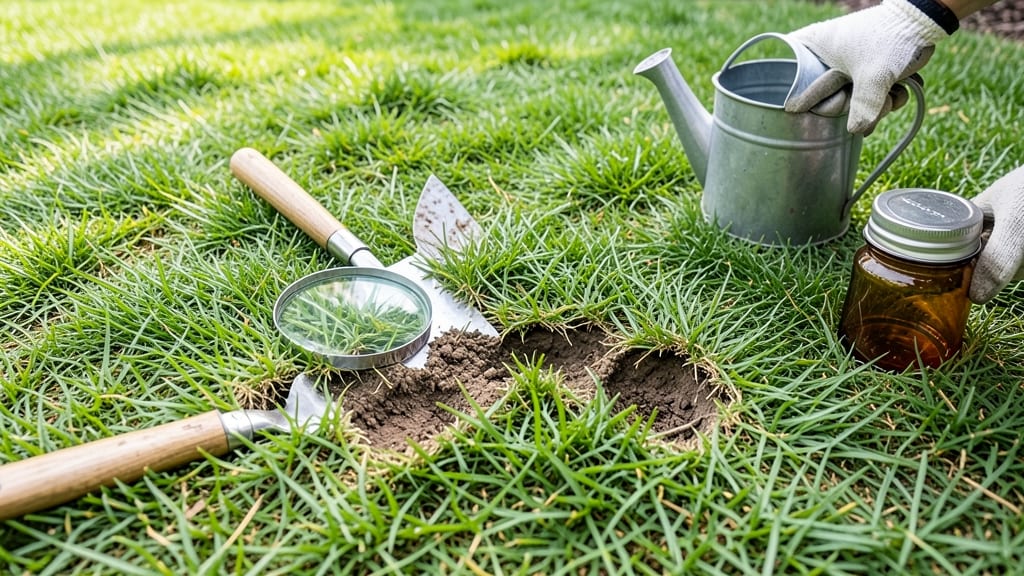
Found small holes in your lawn overnight in Australia? 🌱 The culprit is likely grubs or other pests wreaking havoc underfoot, and you can stop the damage in 48 hours with the right approach.
I’ve seen this happen in Sydney backyards—one morning, lush green grass becomes a patchwork of tiny craters overnight. The real issue is what’s under the surface: grubs, moles, or even native insects like scarab beetle larvae. These pests thrive in moist, shaded lawns, and without intervention, they’ll multiply fast.
The good news? A targeted treatment plan can turn things around before you know it. You’ll start by identifying the pest (a quick soil check reveals the truth), then apply a fast-acting nematode treatment or natural predator like beneficial nematodes. Within days, you’ll see fewer holes and healthier grass.
The key is acting before the damage spreads. Works for any Australian climate—just adjust timing for wetter or drier regions. Let’s get your lawn back to looking its best.
The Hidden Culprits Behind Nighttime Lawn Damage
Waking up to tiny, mysterious holes in your lawn can feel like a cryptic lawn care message—especially when it happens overnight! 🌙🕵️♂️ In Australia, where warm climates and rich soils create the perfect breeding ground for pests, these holes are rarely random.
Below, we break down the most likely suspects and the science behind their destructive habits.
Larvae of beetles (like the African Black Beetle or European Chafer) are the #1 culprits behind overnight lawn holes. These grubs feed on grass roots, leaving behind irregular patches of dead turf and tiny exit holes as they mature. Here’s how it works:
- Life cycle: Adult beetles lay eggs in spring/autumn. Within weeks, grubs hatch and burrow 2–5cm deep, munching on roots.
- Damage signs: Look for thin, patchy grass that pulls up easily (like a carpet) and birds or ants digging around—nature’s way of hunting grubs!
- Peak season: Autumn (March–May) and spring (September–November) in Australia, when soil moisture is ideal.
💡 Pro Tip: Grubs thrive in compacted or overwatered soil. Aerate your lawn in autumn to disrupt their cozy tunnels and improve root access to oxygen.
While moles themselves don’t create holes (they’re digging for grubs or worms), their tunnels can accidentally expose your lawn to surface damage. Smaller holes? Blame:
- Ants (e.g., Fire Ants or Mealybug Ants): These pests create tiny craters (1–3mm wide) as they harvest sap or tend to scale insects. Check for trails of disturbed soil near holes.
- Termites (subterranean species): Early signs include pinprick holes (1–2mm) near wood debris or patios. Unlike grubs, termites target cellulose—so inspect nearby timber!
- Slaters (Pill Bugs): These armored critters leave shallow, scattered holes while feeding on decaying organic matter. Overwatering or thick thatch invites them in.
🔥 Action Step: If you spot volunteer ants (ants carrying grubs), sprinkle diatomaceous earth around the perimeter—it’s a natural desiccant that disrupts their tunnels.
Not all holes are pest-related! Fungal growth (like Lawn Snow Mold or Fairy Rings) can create false damage that mimics insect activity. Here’s the breakdown:
| Fungal Type | Hole Characteristics | Cause |
|---|---|---|
| Fairy Rings | Ring-shaped holes (5–30cm wide) with thicker grass inside or dead patches outside. | Fungi decomposing organic matter in soil, altering root growth. |
| Snow Mold | White, cottony patches with tiny holes from weak roots. | Cool, wet conditions (common in Tasmania or southern Australia) promote fungal spores. |
🌡️ Fix It: Improve drainage (core aeration) and avoid nighttime watering to prevent fungal blooms. If the grass recovers in 2–3 weeks, it’s likely fungal—not insect-related.
Sometimes, the "holes" aren’t from digging at all! Consider these quick checks:
- Wind or hail: Look for uneven tears in grass blades or debris embedded in the soil.
- Rabbits or possums: These animals create larger, jagged holes (5–10cm wide) while foraging. Check for droppings or footprints.
- Lawnmower damage: Skipping blades can create micro-tears that look like holes when the grass dries out.
✨ Quick Test: Run your hand over the area—insect holes feel rough (from soil disturbance), while wind/hail damage feels smooth (like a cut).
Fixing Lawn Holes Fast
Got mysterious small holes in your lawn overnight? Don’t panic—these fixes will help you tackle the problem quickly and prevent it from spreading.
Below, we’ve mapped out practical solutions based on the most likely causes, from pests to weather damage, so you can act fast and restore your turf to its lush glory.
If you’ve spotted chewed grass, tunnels, or grubs (especially white or brown larvae), you’re likely dealing with an underground pest party. Here’s how to shut it down:
🔥 Step 1: Identify the Culprit
Before treating, confirm it’s grubs (not moles or ants). Dig up a small patch of turf—if you see C-shaped larvae, you’ve got grubs.
Common offenders in Australia include: - African black beetle grubs (most destructive) - Lawn grubs (general term for various species) - Mole crickets (less common but still pesky)
🍳 Step 2: Apply a Fast-Acting Grub Killer
For immediate results, use a chemical treatment like:
- Bifenthrin or Chlorantraniliprole (systemic insecticides—safe for pets once dry)
- Nematodes (natural, organic option—takes 2-3 weeks but prevents future outbreaks)
- Granular treatments (like Bayer Advanced Grub Killer)—water them in well.
✅ Pro Tip: Apply in the evening when grubs are near the surface. Follow label rates—overdoing it can harm beneficial insects.
👨🍳 Step 3: Reseed Bare Spots
After treatment, the grubs will die off in 24-48 hours. Fill the holes with:
- Topsoil (1-2 cm deep)
- Grass seed (match your lawn type—e.g., Kikuyu, Couch, or Buffalo)
- Lightly rake and water gently.
💡 Prevention: Reapply nematodes or milky spore (for African black beetles) every 6-12 months to keep grubs away.
If the holes look irregular, shallow, or not pest-related, your lawn might be suffering from:
- Drought stress (grass pulling up from roots)
- Heavy foot traffic (compacted soil)
- Fungal activity (like fairy rings or slime mold)
🌡️ Step 1: Test the Soil
Use a moisture meter or the squeeze test:
- Dry soil? Water deeply (1-2 inches) and mulch to retain moisture.
- Compacted soil? Aerate with a core aerator (rent one or hire a pro).
🎯 Step 2: Revive the Grass
- For drought damage: Overseed thin patches with fast-growing grass (like perennial ryegrass) and fertilize lightly (high nitrogen).
- For fungal issues: Apply copper fungicide (like Copper Oxychloride) and improve drainage.
✨ Prevention:
- Water deeply 2-3 times a week (early morning).
- Aerate annually (spring or autumn).
- Avoid heavy equipment on wet grass.
If the holes are large, deep, or near edges, you might have:
- Moles (tunnels, not holes)
- Bandicoots or rabbits (digging for grubs or roots)
- Possums or cats (scratching at night)
🔪 Step 1: Set Traps or Deterrents
- For grubs-eaters (bandicoots, rabbits): Use humane traps or chicken wire barriers.
- For moles: Try castor oil-based repellents or ultrasonic spikes (less harmful than poison).
- For cats/possums: Sprinkle coffee grounds or citrus peels—they dislike the smell.
⏰ Step 2: Fill and Fortify
- Fill holes with soil and reseed.
- Install hardware cloth (1/4-inch mesh) 6 inches deep around garden beds to block diggers.
💡 Prevention:
- Remove leaf litter (hides pests).
- Keep grass tall (3-4 inches) to deter digging.
- Use motion-activated lights near problem areas.
If the damage is widespread or you’re unsure of the cause, call a local lawn care expert. They can:
- Conduct a soil test.
- Prescribe targeted treatments.
- Offer guaranteed solutions for stubborn issues.
Remember: Most lawn holes can be fixed in under 48 hours with the right approach. Act fast, and your grass will bounce back better than ever! 🌿✨
Frequently asked questions
What are the most common pests causing small lawn holes overnight in Australia?
The top culprits are grubs (larvae of beetles like African Black Beetles), which create 1-3mm holes as they surface, and ants (Fire Ants or Mealybug Ants) that make tiny craters while harvesting sap. Termites may also cause pinprick holes near wood debris.
How can I tell if my lawn holes are from grubs vs. fungal activity?
Grub damage shows C-shaped larvae when you dig up turf, plus patchy dead grass that pulls up easily. Fungal issues like fairy rings appear as ring-shaped holes with thicker grass inside or dead patches outside. Run your hand over the area—grub holes feel rough, while fungal damage feels smoother.
Is diatomaceous earth safe to use on lawns with pets?
Only use food-grade diatomaceous earth and apply it evening or night when pets aren't on the lawn. Keep them off the treated area for 24 hours—it's non-toxic but can irritate lungs if inhaled. For pet-friendly solutions, try nematodes or milky spore instead.
Can I prevent lawn holes by adjusting my watering schedule?
Yes! Water deeply 2-3 times per week (early morning) to avoid overwatering, which attracts grubs. In autumn/spring (peak grub season), reduce frequency slightly. Also, avoid nighttime watering to prevent fungal growth that mimics hole damage.
How long does it take to see results after treating grubs?
Chemical treatments like Bifenthrin show results in 24-48 hours, while natural options (nematodes) take 2-3 weeks. Fill holes with soil and seed immediately after treatment. For severe infestations, repeat applications every 6-12 months for prevention.