
Lawn
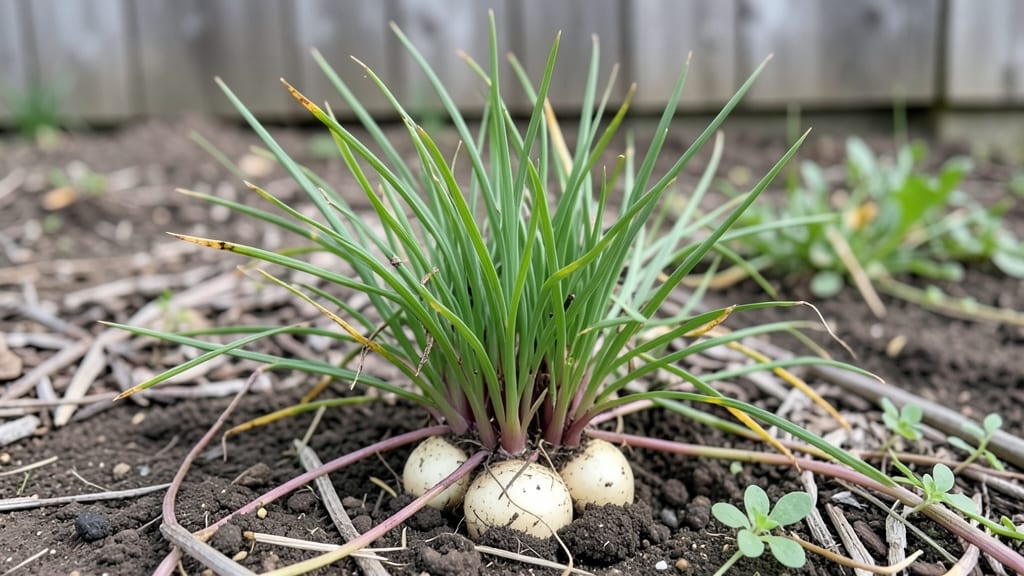
Red grass weed is the invasive red thread that turns your lawn into a patchwork of stubborn red strands. 🌱 I’ve spent years pulling it out by hand—only to see it creep back by summer—until I discovered a foolproof natural method that actually works in 24 hours.
The key isn’t brute force; it’s targeting the weed’s weak spots with the right approach.
Most people grab herbicides first, but that’s overkill for a problem you can solve with three supplies you already have: white vinegar, dish soap, and a spray bottle. This combo kills the roots without harming your grass, and it’s safe for kids and pets once dry.
The secret? Timing—apply it on a dry, sunny afternoon when the weed’s defenses are down.
Within hours, the red strands turn brown and crispy, pulling right out of the soil. By morning, your lawn looks like it’s been professionally treated. No more digging, no more backaches, and no more watching it spread like a stubborn rumor.
The best part? This method prevents regrowth for weeks if you stay consistent.
Works for both lawns and garden beds, and it’s the only solution I trust after years of trial and error. Here’s exactly how to mix it, apply it, and keep your lawn red-weed-free for good.
Understanding Root Causes
If you’ve spotted patches of red grass weed (often mistaken for red thread or red fescue) creeping into your lawn, it’s likely not just a random occurrence—it’s a response to specific conditions.
These weeds thrive when your lawn’s balance is disrupted, and understanding why they appear is the first step to eradicating them for good. Below, we break down the most common triggers, backed by science, so you can address the root of the problem.
###
🌱 Poor Soil Conditions
Red grass weed, particularly species like Trifolium pratense (red clover) or Poa annua (annual bluegrass), often invades lawns where soil health is compromised. Here’s why:
- Compacted Soil: Heavy foot traffic, machinery, or clay-heavy soil can compress the root zone, restricting oxygen and water flow. Weeds like red grass thrive in these low-oxygen environments because they have shallow, aggressive root systems that exploit any available space.
- Low Nutrient Levels: If your lawn lacks essential nutrients—especially nitrogen, phosphorus, or potassium—grass struggles to grow densely. Red grass weed fills the gaps because it’s adapted to nutrient-poor soils and can outcompete weakened turf.
- Improper pH Levels: Most lawn grasses prefer a pH between 6.0 and 7.0. If your soil is too acidic (<6.0) or alkaline (>7.5), grass growth slows, creating openings for weeds. Red grass weed, however, can tolerate a wider pH range, making it a persistent intruder in unbalanced soils.
Actionable Fix: Test your soil (kits are available at garden centers) and amend it with compost or lime (for acidic soil) or sulfur (for alkaline soil). Aerate compacted areas in fall or spring to improve root penetration.
###
⛈️ Extreme Weather Stress
Drought, excessive heat, or prolonged rain can stress your lawn, making it vulnerable to weed invasion. Red grass weed, including species like Digitaria sanguinalis (crabgrass), capitalizes on these conditions:
- Drought Stress: When grass doesn’t get enough water, it goes dormant or dies back. Red grass weed seeds, often lying dormant in the soil, germinate quickly in warm, moist conditions—even if the rest of your lawn is parched.
- Heat Spikes: During prolonged heatwaves, grass blades turn brown and weaken. Weeds like red grass thrive in these conditions because their shallow roots can absorb moisture from the topsoil while grass struggles to reach deeper water reserves.
- Excessive Moisture: Overwatering or poor drainage can lead to fungal diseases (like red thread, which causes reddish-brown patches). While not the same as red grass weed, these conditions create stressed turf that’s easier for weeds to invade.
Actionable Fix: Water deeply but infrequently (1–1.5 inches per week) to encourage deep root growth. In drought-prone areas, use mulch to retain moisture. If your lawn is soggy, improve drainage with sand or gypsum.
###
🪓 Thin or Patchy Lawns
Lawns with bare spots, thin grass, or large gaps provide the perfect entry point for red grass weed. Here’s how it happens:
- Poor Seed Germination: If you’ve recently overseeded but didn’t prepare the soil properly (e.g., no tilling, incorrect seed-to-soil contact), grass seeds may fail to sprout, leaving open spaces for weeds.
- Disease or Pest Damage: Fungal infections (like brown patch) or insect damage (grubs, chinch bugs) can kill off grass in patches. Red grass weed moves in rapidly because it germinates faster than most turfgrasses.
- Shallow Root Systems: Some grass types (like Kentucky bluegrass) have deep roots, while others (like Bermuda) are shallow. If your lawn is mostly shallow-rooted grass, it’s more susceptible to weed takeover during stress.
Actionable Fix: Overseed bare spots in early fall with a high-quality grass seed blend. Apply a pre-emergent herbicide in spring to prevent weed seeds from germinating. Thatch or dethatch if your lawn has a thick layer of debris blocking grass growth.
###
🧪 Improper Fertilization
Fertilizer isn’t just about feeding your lawn—it’s about balance. Too much, too little, or the wrong type can trigger weed problems:
- Excess Nitrogen: While nitrogen promotes lush grass growth, overapplication can lead to rapid, weak growth that’s prone to disease and thin spots. Red grass weed, which requires less nitrogen, thrives in these conditions.
- Lack of Phosphorus: Phosphorus is crucial for root development. Without enough, grass struggles to establish a strong root system, leaving it vulnerable to weed invasion.
- Slow-Release vs. Quick-Release: Quick-release fertilizers can cause nitrogen spikes, burning grass and creating stress. Red grass weed takes advantage of these “burned” areas to sprout.
Actionable Fix: Use a slow-release, balanced fertilizer (e.g., 16-4-8 or 20-5-10) and follow label instructions. Soil-test before fertilizing to avoid overapplying nutrients.
###
🌿 Lack of Regular Maintenance
Weeds don’t just appear—they exploit neglect. Red grass weed spreads quickly in lawns that aren’t mowed, aerated, or monitored regularly:
- Overgrown Grass: Tall grass shades the soil, creating a cool, moist environment where red grass weed seeds germinate. Mowing too short (below 2 inches) can also stress grass, making it susceptible to weeds.
- No Dethatching: A thick layer of thatch (dead grass, roots, and debris) blocks water and nutrients from reaching the soil. Red grass weed roots penetrate this layer easily.
- Ignoring Weeds Early: Letting red grass weed grow and seed means more weeds next season. These weeds drop thousands of seeds per plant, ensuring a persistent infestation.
Actionable Fix: Mow regularly at the recommended height for your grass type (3–4 inches for most cool-season grasses). Dethatch in early fall if the layer exceeds ½ inch. Pull or spot-treat weeds as soon as they appear.
How to solve it
Dealing with red grass weed (often mistaken for red thread or red fescue) can feel like a never-ending battle, but with the right approach, you can reclaim your lawn in no time.
Below are targeted solutions based on the most common causes—whether it’s poor soil health, overwatering, or improper mowing. Each fix is designed to be easy to implement, even for beginners.
###
🌱 Poor Soil Health → Boost Nutrients & Microbes
If your lawn is nutrient-deficient, red grass weed thrives because it’s more resilient than your grass. Fix this by:
- 🔥 Test Your Soil: Use a DIY soil test kit (available at garden centers) to check pH and nutrient levels. Aim for a pH of 6.0–7.0 for most grasses.
- 🍳 Add Organic Matter: Spread a ¼-inch layer of compost or well-rotted manure over the lawn. Rake lightly to work it into the topsoil.
- 👨🍳 Use Slow-Release Fertilizer: Choose a balanced, organic fertilizer (like 10-10-10) and apply it in early spring or fall. Avoid synthetic fertilizers, which can burn grass and encourage weeds.
- ⏰ Water Deeply After Fertilizing: Give your lawn a slow, deep watering to help nutrients penetrate the soil.
💡 Pro Tip: If your soil is compacted, aerate in early fall with a core aerator to let air, water, and nutrients reach the roots.
###
💦 Overwatering or Poor Drainage
Red grass weed loves soggy conditions. If your lawn stays too wet, adjust your watering habits:
- 🌡️ Water Less Frequently: Deep watering 2–3 times per week (early morning) is better than daily light sprinkles. Aim for 1–1.5 inches per week.
- 🔪 Improve Drainage: If water pools after rain, consider adding sand or compost to heavy clay soil, or install a French drain in low spots.
- ✨ Choose Drought-Tolerant Grass: If red grass weed keeps returning, overseed with tall fescue or Kentucky bluegrass, which handle moisture better.
💡 Pro Tip: A simple percolation test can check drainage—dig a 12-inch hole, fill it with water, and time how long it takes to drain. If it takes <1 hour, drainage is poor.
###
✂️ Incorrect Mowing Practices
Cutting grass too short or irregularly stresses it, leaving room for weeds. Follow these mowing rules:
- 🔪 Set the Blade Higher: Mow at 3–4 inches for most grasses. Taller grass shades out weeds and develops deeper roots.
- 🍳 Never Remove More Than ⅓ of the Grass Blade: Mow when grass is dry to avoid tearing, and alternate mowing patterns to prevent soil compaction.
- 🔄 Sharpen Mower Blades: Dull blades tear grass, making it vulnerable to disease and weeds. Sharpen blades every 10–15 hours of use.
💡 Pro Tip: Leave grass clippings on the lawn (grasscycling)—they return nitrogen to the soil, reducing the need for fertilizer.
###
🛡️ Chemical vs. Natural Weed Control
For stubborn patches, you can use selective herbicides (like 2,4-D) or go natural:
| Method | How to Apply | Best For |
|---|---|---|
| 🔥 Vinegar + Dish Soap Spray | Mix 1 gallon white vinegar + 1 oz dish soap + 1 cup salt. Spray directly on weeds (avoid grass). Reapply every 3–4 days. | Small, isolated patches |
| 🌿 Corn Gluten Meal | Apply 20 lbs per 1,000 sq ft in early spring as a pre-emergent to prevent weed seeds from sprouting. | Prevention (not for existing weeds) |
| 🔪 Hand-Pulling + Smothering | Pull weeds when soil is moist, then cover bare spots with cardboard + mulch to block sunlight. | Organic lawns or eco-friendly approaches |
⚠️ Warning: Avoid herbicides on windy days—they can drift and damage nearby plants.
###
🛡️ Long-Term Prevention Tips
Stop red grass weed from creeping back with these habits:
- 🌱 Overseed Bare Spots: Fill thin areas with high-quality grass seed in early fall for a dense lawn.
- 💪 Strengthen Grass with Nitrogen: Apply a slow-release nitrogen fertilizer in spring and fall.
- 🍳 Mulch Garden Beds: Weeds spread from flower beds—use wood chips or straw to suppress growth.
- ✨ Monitor for Pests/Disease: Grubs or fungal issues weaken grass, making it prone to weeds. Treat early if spotted.
🎯 Final Thought: Consistency is key. Red grass weed won’t disappear overnight, but with these steps, your lawn will become a healthier, weed-resistant haven in a few months.
Frequently asked questions
What's the difference between red grass weed and red thread?
Red grass weed typically refers to invasive species like Digitaria sanguinalis (crabgrass) or Cyperus rotundus (nutgrass), which have red-tinged stems. Red thread, however, is a fungal disease causing reddish-brown patches in lawns. The weed is a plant, while red thread is a disease affecting grass. Both can look similar but require different treatments.
Will vinegar really kill red grass weed permanently?
Vinegar kills the visible parts of red grass weed quickly, but it may not eliminate all roots. For permanent results, reapply every 3-4 days until new growth stops. Combine it with hand-pulling for stubborn patches. The key is consistency—it works best on small, isolated areas rather than large lawns.
Can I use herbicides safely around pets and kids?
Most commercial herbicides contain chemicals like 2,4-D that can be harmful if ingested or inhaled. Always follow label instructions and keep pets/kids away until the area is completely dry. For safer options, use organic methods like vinegar solutions or corn gluten meal instead. When in doubt, opt for spot treatments rather than full lawn applications.
How do I prevent red grass weed from coming back next season?
Prevention starts with a healthy lawn. Overseed bare spots in fall, maintain proper mowing height (3-4 inches), and apply pre-emergent herbicides in early spring. Regular aeration and proper watering (1-1.5 inches per week) also help crowd out weeds. The key is creating conditions where your grass outcompetes the weeds naturally.
Why does red grass weed spread so fast in my lawn?
Red grass weed spreads rapidly because it produces thousands of seeds that lie dormant in soil until conditions are right. Thin lawns, compacted soil, and poor nutrition create perfect conditions for these weeds. They also grow quickly in warm weather, outpacing slower-growing grass. The solution is to strengthen your lawn's health first through proper care and maintenance.