
Lawn
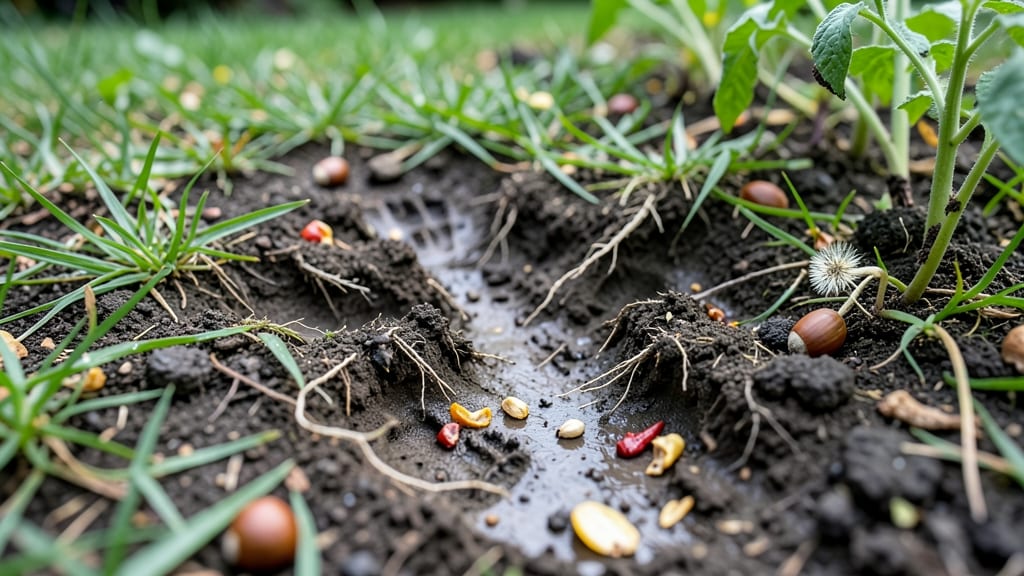
Seeing the pictures of raccoon lawn damage is enough to make any gardener groan. 🌱 These masked bandits leave behind telltale signs: scattered soil, chewed plants, and those distinctive claw marks that look like someone used a rake backward.
I’ve had my share of raccoon raids—last spring, they turned my carefully planted perennials into a construction zone overnight. The damage isn’t just unsightly; it disrupts your garden’s health. Raccoons uproot bulbs, spread disease through their digging, and leave behind a mess that takes hours to clean up.
But here’s the good news: with the right deterrents—like motion-activated lights, sturdy fencing, or even habitat tweaks—you can reclaim your lawn without resorting to traps or harsh chemicals. You’ll learn to spot their handiwork early, repair the damage efficiently, and keep them from returning.
Think of it as lawn security: a few strategic moves now save you from a full-blown raccoon renovation project later. Let’s get your yard back in shape—before they strike again. First, you’ll need to identify the damage.
Look for fresh mounds of dirt, torn-up grass, or scattered debris near garden beds. Raccoons love digging up bulbs, so check for missing plants or disturbed soil in spring and fall.
I once found a whole row of tulip bulbs unearthed and scattered—like someone had played a cruel game of hide-and-seek with my garden. The fix starts with simple deterrents. Motion-activated lights or even a radio playing during the night can scare them off.
For a long-term solution, install a tall fence (at least 4 feet high) with an outward angle at the top—raccoons are great climbers, but they can’t scale a smooth slope. Habitat tweaks, like removing food sources (pet food, fallen fruit), also help.
Once you’ve secured your yard, focus on repairing the damage. Reseed bare spots, replant uprooted bulbs, and add a fresh layer of mulch to deter future digging. The before-and-after difference is shocking—your lawn goes from a raccoon’s playground back to a tidy, thriving space.
What Draws Raccoons To Your Lawn
Raccoons aren’t just nocturnal nuisances—they’re highly intelligent scavengers with a knack for turning your well-manicured lawn into a buffet, playground, and even a trash can. Understanding why they target your yard is the first step to stopping the destruction.
Their behavior stems from a mix of instinct, opportunity, and habitat needs. Let’s break down the key reasons these masked bandits invade your green space.
Raccoons are omnivorous opportunists, meaning they’ll eat almost anything—especially if it’s easy to find. Your lawn might be a smorgasbord without you realizing it:
- Unsecured trash cans: Raccoons have dexterous front paws (almost like human hands) and can open lids with ease. A single bag of garbage—especially greasy pizza boxes, pet food, or fruit scraps—can lure a whole family of raccoons. Pro tip: Use bungee cords or locking lids to make trash inaccessible.
- Pet food left outdoors: Dry kibble, wet food bowls, or even birdseed feeders are like neon signs to raccoons. They’ll dig under decks, patio furniture, or even flip over planters to get to it.
- Fruit trees and gardens: Raccoons love berries, apples, peaches, and grapes. If your yard has these, they’ll climb trees or dig around the base to feast. Mulch piles can also hide fallen fruit, creating a hidden snack stash.
- Compost bins: A poorly maintained compost pile is a raccoon’s dream—warm, moist, and packed with scraps. Never add meat, dairy, or oily foods to compost if raccoons are nearby.
- Grubs and insects: Raccoons use their paws to flip over sod in search of grubs, worms, and beetle larvae. If your lawn has Japanese beetles or chafer grubs, raccoons will dig up large patches, leaving behind unsightly holes.
💡 Actionable Fix: Remove all food sources immediately. Store trash in metal cans with tight-fitting lids, feed pets indoors, and use raccoon-proof compost bins with locking tops.
Raccoons are den animals, meaning they seek safe, secluded spots to raise their young (called kits) and escape predators. If your yard offers:
- Dense shrubs or thick ground cover: Raccoons love tall bushes, ivy, or overgrown grass because they provide hiding spots and easy access to the ground. A 6-foot-tall bush is like a raccoon high-rise.
- Attics, sheds, or crawl spaces: Gaps larger than 3 inches in your home’s roof, vents, or siding are inviting entry points. Once inside, they’ll nest in insulation or debris, making removal difficult.
- Woodpiles or debris: A pile of branches, leaves, or construction waste gives raccoons the perfect nesting material. They’ll drag it into dens or even dig underground burrows.
- Water sources: A pet bowl, birdbath, or leaky hose provides hydration and attracts insects, which in turn attracts raccoons.
🔥 Pro Tip: Trim bushes away from your house, seal entry points with steel wool or hardware cloth, and remove woodpiles at least 20 feet from your home.
Raccoons are crepuscular (most active at dawn and dusk), but they’re also highly curious. If they sense movement, noise, or human activity, they’ll investigate—especially if they’ve already found food or shelter nearby. Common triggers include:
- Outdoor lights: Motion-sensor lights or streetlights can attract insects, which in turn attract raccoons hunting for snacks.
- Open windows or doors: A 6-inch gap is enough for a raccoon to squeeze in. They’ll explore garages, porches, or even open car trunks.
- Children’s toys or sports equipment: A basketball hoop, soccer ball, or toy bin might seem harmless, but raccoons will climb, play with, or even drag them into their dens.
- Lawn furniture or grills: Raccoons are known to knock over grills, open propane tanks, or even chew through plastic chairs out of curiosity or to access food scraps.
✨ Prevention Tip: Install motion-activated lights to deter them, keep doors and windows closed, and store toys and grills indoors at night.
Raccoon activity peaks during specific times of the year, aligning with their natural behaviors: