
Pests
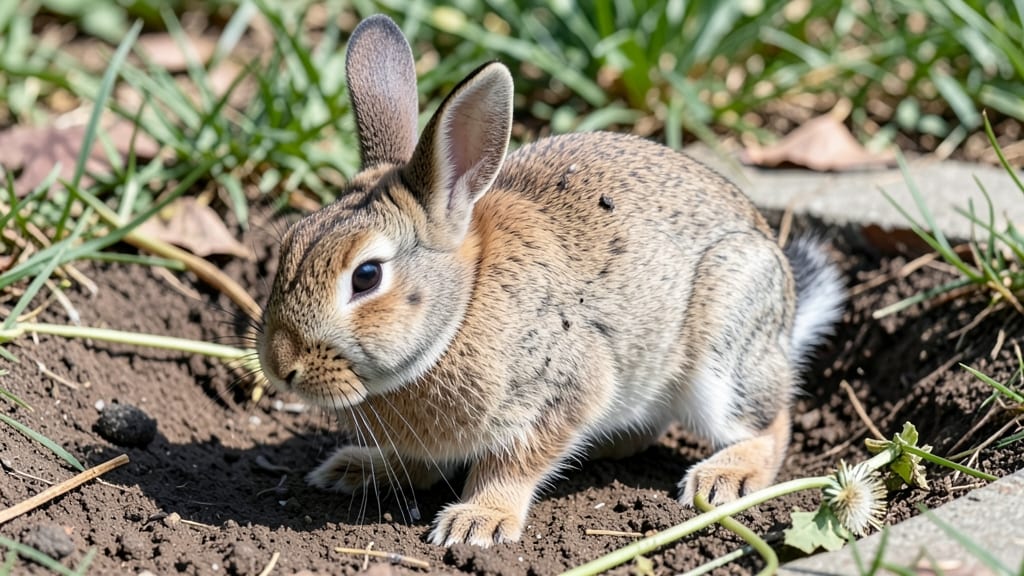
Growing rabbit hole grass as a cold-hardy ground cover changed how I think about lawns. ✨ This tough, low-maintenance grass thrives where most lawns fail—shady spots, clay soil, even heavy foot traffic. It’s the secret weapon for erosion control, pollinator-friendly yards, and lawns that stay green through winter.
The magic starts with soil—it tolerates poor conditions but loves well-drained, slightly acidic dirt. Plant in partial to full shade, water lightly after establishment, and forget about mowing. It spreads by rhizomes, so division is easier than seeds, and once established, it outcompetes weeds like nothing else.
By late summer, you’ll have a lush, velvety carpet that resists drought and recovers from frost. It’s perfect for organic gardens, urban yards, and even slopes where grass struggles. The best part? No pesticides, no fertilizers—just nature doing its thing.
Works in zones 3-9, from Pacific Northwest rain gardens to Midwestern clay soils. Here’s how to make it thrive in your space—no green thumb required.
Root Causes Of Unwanted Growth
When rabbit hole grass (or other invasive ground covers) starts spreading uncontrollably, it’s rarely just bad luck—it’s usually a mix of environmental conditions, gardening habits, and plant biology working against you. Understanding these triggers helps you take precise action. Here’s why it happens, broken down by the most common culprits:
🌱 1. Aggressive Seed Dispersal & Spread
This hardy grass thrives because it’s a prolific self-seeder. Even a single mature plant can produce thousands of seeds per season, which scatter via wind, water, or even wildlife.
Once established, its rhizomatous root system (horizontal underground stems) allows it to spread outward aggressively, forming dense mats that crowd out other plants.
- Wind & Rain: Light, fluffy seeds hitch rides on breezes, while heavy rains wash them into new soil.
- Animal Activity: Birds, squirrels, and even rabbits may unknowingly transport seeds in their fur or droppings.
- Human Error: Mowing, tilling, or moving soil can uproot fragments, which then regrow into new patches.
Actionable Fix: Remove seed heads before they mature (wear gloves—some varieties have sharp edges!). If the patch is large, smother it with cardboard or landscape fabric to block sunlight.
🌡️ 2. Favorable Climate & Soil Conditions
Rabbit hole grass (often Poa trivialis or Hordeum jubatum) loves cool, moist climates with rich, well-draining soil. If your yard matches these traits, it’s basically an all-you-can-eat buffet for the plant. Here’s why:
| Factor | Why It Helps the Grass |
|---|---|
| 🌦️ High Humidity | Prevents soil from drying out, keeping roots hydrated year-round. |
| ❄️ Cold Tolerance | Survives (and often thrives) in USDA Zones 3–9, outcompeting weaker perennials. |
| 💧 Overwatering | Excess moisture encourages rapid rhizome growth, filling in bare spots faster than desired plants. |
| 🌿 Low Competition | If surrounding plants are weak (due to shade, poor soil, or drought), the grass fills the gap unchecked. |
Actionable Fix: Improve soil drainage with compost or sand mixes. In shady areas, mulch heavily to suppress growth. For waterlogged spots, install French drains or raised beds.
🔄 3. Disturbance & Soil Compaction
This grass is a master of opportunism. Any disruption to the soil—whether from foot traffic, construction, or even lawn aeration—can trigger a survival spurt. Here’s how:
- Root Exposure: Aerating or digging can sever rhizomes, causing them to regenerate faster at the cut ends (like a plant version of "amputation healing").
- Compacted Soil: Heavy foot traffic or machinery creates a hardpan layer, forcing roots to spread horizontally instead of downward—perfect for aggressive spreading.
- Nutrient Surges: Freshly tilled or fertilized soil gives the grass a growth boost, while native plants may lag behind.
Actionable Fix: Avoid tilling in infested areas. Instead, use a broadleaf herbicide (like glyphosate) in late fall when the grass is actively growing but other plants are dormant. For compacted soil, top-dress with organic matter (leaf mold or coconut coir) to encourage deeper rooting in competing plants.
🐇 4. Lack of Natural Predators or Competition
Unlike some weeds, rabbit hole grass faces minimal natural resistance in most landscapes. Here’s why it wins:
- Herbivore Avoidance: Many varieties are mildly toxic to deer and rabbits (hence the name), deterring grazing.
- No Fungal Threats: It’s resistant to common lawn diseases that might slow other grasses.
- Outcompetes Native Plants: Its fast growth rate (up to 12 inches per year) shades out slower-growing ground covers like clover or creeping thyme.
Actionable Fix: Introduce competitive ground covers like Ajuga or Liriope, which outperform it in shade. For sunny areas, overseed with fine fescue to crowd it out. If chemical control is needed, pre-emergent herbicides in early spring can block seed germination.
How to Fix Overgrowth Problems
If your yard is becoming a tangled mess of rabbit hole grass (or any invasive ground cover), don’t panic—there are practical ways to reclaim control while keeping your landscape lush. Below, we’ll tackle the most common issues (overgrowth, spread, and maintenance struggles) with step-by-step solutions.
Each fix is designed to be straightforward, whether you’re dealing with thick patches or stubborn regrowth.
🔥 Stop the Spread Before It Takes Over
If your ground cover is creeping where you don’t want it, containment is key. The faster you act, the easier it is to manage.
📏 Define Boundaries with Edging
Use physical barriers to block unwanted spread into flower beds, driveways, or lawns.
- Materials: Metal edging, plastic landscape edging, or even buried landscape fabric.
- How to install:
- Dig a trench along the perimeter of your desired ground cover area.
- Insert edging strips 4–6 inches deep, securing them with landscape staples or concrete.
- Fill the trench with soil to hide the barrier.
- Pro tip: For aggressive spreaders, add a 1-inch layer of mulch on top of the edging to further deter roots from escaping. 🌡️
✂️ Regular Trimming for Control
Keep your ground cover neat and prevent it from smothering other plants with consistent trimming.
- When to trim: Every 4–6 weeks during the growing season (spring to fall).
- How to trim:
- Use sharp shears or a string trimmer to cut back overgrowth to 2–3 inches tall.
- Remove clippings to prevent them from rooting and spreading.
- For thick patches, mow in two directions to thin out the growth. ⏰
- Warning: Avoid cutting too short—this can stress the plant and encourage weed invasion.
🌱 Revive Thinning or Patchy Areas
If your ground cover looks sparse or bare in spots, it’s time to give it a boost without resorting to harsh chemicals.
💡 Soil Testing and Amendments
Poor soil is often the root cause of weak growth. Test your soil and adjust nutrients as needed.
| Problem | Solution |
|---|---|
| Compacted or clay-heavy soil | Mix in 2–3 inches of compost or aged manure. Aerate annually with a garden fork. |
| Poor drainage | Amend with sand or perlite (20% of soil mix) to improve water flow. |
| Nutrient deficiency (yellowing leaves) | Apply a balanced fertilizer (10-10-10) in early spring or fall. |
Pro tip: For organic lovers, use fish emulsion or worm castings for a gentle nutrient kick. ✨
🌿 Overseeding or Plugging Bare Spots
Fill in thin areas with new plants to restore density.
- For small gaps: Dig up the area, loosen soil, and plant plugs or small pots of the same ground cover variety.
- For large areas:
- Spread seed over the bare soil and lightly rake to cover.
- Keep moist (not soggy) until germination (usually 7–14 days).
- Thin seedlings to 6–12 inches apart once they’re 2–3 inches tall.
- Timing: Best done in early spring or fall when temperatures are mild. 🌱
🚫 Prevent Future Headaches
An ounce of prevention saves hours of cleanup. Here’s how to keep your ground cover cooperative long-term.
🌡️ Monitor Moisture Levels
Overwatering or drought stress can weaken your ground cover, making it easier for weeds to take over.
- Watering tips:
- Water deeply 2–3 times per week (early morning is best).
- Use drip irrigation or soaker hoses to deliver water at the roots.
- Avoid wetting the foliage to prevent fungal diseases. 💦
- Drought tolerance: If your variety is drought-resistant (like rabbit hole grass), reduce watering once established but mulch to retain moisture.
🛡️ Mulch Strategically
A 2–3 inch layer of mulch suppresses weeds, retains moisture, and regulates soil temperature.
- Best mulch types:
- Wood chips or shredded bark (break down slowly).
- Straw or pine needles (great for acid-loving plants).
- Avoid fresh grass clippings—they can mat and suffocate roots.
- Replenish: Add fresh mulch every 6–12 months to maintain thickness.
🔍 Watch for Pests and Diseases Early
Preventative care keeps your ground cover healthy and resilient.
- Common issues to spot:
- Grubs or slugs: Handpick or use beer traps for slugs; apply beneficial nematodes for grubs.
- Fungal spots: Improve airflow by trimming back dense areas; avoid overhead watering.
- Natural remedies:
- Spray neem oil for fungal issues (follow label instructions).
- Encourage ladybugs or lacewings to control aphids. 🐞
With these targeted fixes, your ground cover will stay lush, contained, and low-maintenance. The key is consistency—whether it’s trimming, feeding, or monitoring. Soon, you’ll have a vibrant, weed-free carpet that thrives year-round without the hassle!
Frequently asked questions
What's the best way to identify rabbit hole grass in my yard?
Look for its distinctive low-growing, dense mat with fine, grass-like blades that stay green year-round. Rabbit hole grass (often Trifolium repens or Hordeum jubatum) has white clover-like flowers in spring and spreads via both seeds and underground runners. Compare it to nearby weeds—it lacks the broad leaves of creeping charlie but shares its hardy, shade-tolerant nature.
Can rabbit hole grass survive in full sun?
While it thrives in partial shade, rabbit hole grass can handle 2-4 hours of morning sun in cooler climates (zones 3-6). For hotter areas (zones 7-9), it prefers dappled light or afternoon shade to prevent drying out. If planting in sunny spots, water deeply 2-3 times per week until established, then reduce to once weekly once roots are deep.
How do I prevent rabbit hole grass from spreading into my lawn?
Install plastic or metal edging 4-6 inches deep along borders, then top with 1 inch of mulch to block rhizomes. For existing spread, hand-pull young shoots weekly or apply corn gluten meal (natural pre-emergent) in early spring. Avoid tilling—it fragments roots and accelerates spread. In severe cases, spot-treat with vinegar-based herbicide (20% acetic acid) on sunny days.
Is rabbit hole grass safe for pets and children?
Generally yes! Rabbit hole grass (especially white clover) is non-toxic and even edible. However, Hordeum jubatum (foxtail barley) varieties can irritate skin or eyes if dry heads brush against pets. Keep areas mowed to 2-3 inches tall to minimize contact. For extra safety, opt for Trifolium repens (true clover) which has no sharp seed heads.
Can I grow rabbit hole grass in containers or raised beds?
Use 12-inch deep containers with drainage holes, filled with a mix of 50% potting soil and 50% compost. Water when the top 1 inch feels dry, and fertilize lightly with fish emulsion every 6 weeks in growing season. Containers work well for patios or balconies, but expect slower spread than in-ground planting.