
Lawn
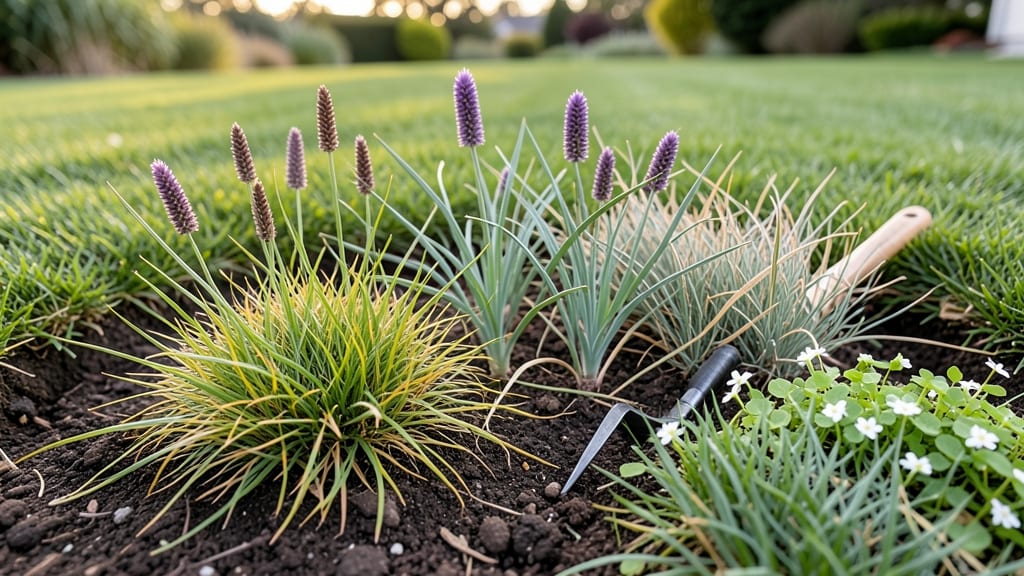
Problem grasses in lawns—like crabgrass, nutgrass, and other weeds—are the lawn ruffians stealing your grass's spotlight, and I've spent years learning how to kick them out for good. 🌱 The battle starts with knowing what you're up against: crabgrass spreads like a weed (literally), nutgrass sends up those annoying purple flowers, and broadleaf weeds pop up like uninvited guests at a picnic. Identifying them is half the battle: crabgrass has a distinctive flat, finger-like shape, nutgrass grows in clumps with those telltale purple blooms, and broadleaf weeds like dandelions and clover have wide leaves. Grab a sample, compare it to a weed ID guide, and you'll know exactly what you're dealing with before you grab your tools. Once you know your enemy, elimination becomes straightforward. Pre-emergent herbicides in early spring stop crabgrass before it starts, while post-emergent sprays target existing weeds. For nutgrass, dig out those stubborn rhizomes—even a tiny piece left behind will regrow. And for broadleaf weeds, spot treatments with vinegar or targeted herbicides work wonders without harming your grass. The real secret? Prevention. A thick, healthy lawn crowds out weeds naturally. Overseed in fall, fertilize properly, and water deeply but infrequently. Within a season, you'll have a lawn so dense that weeds won't stand a chance—and you'll finally enjoy that lush, green carpet you've been dreaming of.
Root Causes of Unwanted Grasses
If your lawn is suddenly overrun by problem grasses, it’s not just bad luck—it’s usually a sign that something’s off with your turf’s health or growing conditions.
Understanding the why behind these intruders is the first step to kicking them out for good. Let’s dig into the most common reasons these resilient weeds take over.
Problem grasses thrive where your desired grass struggles—often because the soil isn’t right. Here’s how it breaks down:
- Compacted Soil: Heavy foot traffic, machinery, or clay-heavy soil compresses the ground, reducing oxygen and water flow. This creates a stress zone where weedy grasses like crabgrass or nutsedge can germinate and spread unchecked. Think of it like a crowded subway—weeds squeeze in where your lawn grass can’t grow.
- Low Organic Matter: Soil lacking compost, mulch, or decomposed plant material is like a desert for grass roots. Problem grasses, especially annual bluegrass or goosegrass, adapt to nutrient-poor conditions better than turfgrass. They’re the fast-food joints of the plant world—cheap, quick, and everywhere.
- Imbalanced pH: Most lawn grasses prefer a pH between 6.0 and 7.0. If your soil is too acidic (<6.0) or alkaline (>7.5), it weakens your turf and opens the door for weeds like dallisgrass or bahiagrass, which tolerate extreme pH levels. A simple soil test (under $20) can reveal if this is your issue.
💡 Pro Tip: Aerate compacted soil in spring or fall, and amend with compost to boost organic matter. For pH issues, use lime (to raise pH) or sulfur (to lower it) based on test results.
Grasses don’t just pop up out of nowhere—they exploit gaps created by stress. Here’s how environmental factors play a role:
- Drought or Overwatering:
- Drought stress weakens turfgrass, leaving bare spots where summer annuals like crabgrass or winter weeds like henbit move in.
- Overwatering creates soggy conditions that favor sedges (like nutsedge) and marsh grasses, which thrive in wet soil.
- Excessive Sun or Shade:
- Too much sun can burn out thin turfgrass, inviting weeds like Bermuda grass (which loves heat).
- Too little light (under trees or buildings) weakens cool-season grasses, allowing shade-tolerant weeds like clover or wild violet to dominate.
- Extreme Temperatures: Sudden heatwaves or freezes shock grass roots, creating openings for fast-growing weeds like foxtails or barnyardgrass. These weeds are like opportunistic renters—they move in when your lawn’s “tenants” (your grass) get kicked out.
🌡️ Actionable Fix: Adjust watering to 1 inch per week (including rain) and mow at the right height for your grass type. For shade issues, consider shade-tolerant grasses like fine fescue or add mulch to protect roots.
Even the healthiest lawns can fall victim to problem grasses if basic care slips. Here’s how neglect invites weeds:
- Skipping Mowing: Tall grass blocks sunlight, creating a cool, moist microclimate that weeds like chickweed or black medic love. Think of it like a jungle—weeds take over when your lawn grass gets too “wild.”
- Incorrect Mowing Height:
- Cutting grass too short stresses roots, making it vulnerable to crabgrass and nutsedge.
- Leaving grass too long smothers the soil, encouraging broadleaf weeds like dandelions.
- Ignoring Thatch Buildup: A thatch layer thicker than ½ inch blocks water and nutrients, weakening turfgrass and giving weedy grasses like Bermuda an edge. It’s like a thick blanket suffocating your lawn.
- Poor Fertilization: Too little fertilizer starves your grass, while excess nitrogen can promote fast-growing weeds like annual bluegrass. Weeds are the fast-food of the plant kingdom—they grow on junk food (low-quality soil), while your lawn grass needs a balanced diet.
✨ Quick Fix: Mow regularly at the “one-third rule” (never remove more than ⅓ of the blade height) and dethatch in early spring if needed. Use a slow-release fertilizer to avoid nitrogen spikes.
Sometimes, problem grasses hitch a ride on the back of pests or diseases that destroy your existing turf. Here’s how:
- Grub Infestations: Japanese beetle grubs and other larvae munch on grass roots, creating dead patches where weeds like crabgrass or clover sprout. It’s like a buffet for weeds—once the grass is gone, they move in.
- Fungal Diseases:
- Dollar spot or brown patch create circular dead zones, which weedy grasses like Bermuda or bahiagrass quickly invade.
- Overwatering or poor drainage worsens fungal growth, turning your lawn into a weed magnet.
- Rodent or Animal Damage: Rabbits, deer, or even pets can trample or eat grass, leaving bare spots for weeds like chickweed or plantain to take hold.
🔥 Solution: Treat grub infestations with beneficial nematodes or insecticides in early summer. For fungal issues, improve drainage and avoid overhead watering in the evening.
Tackle Unwanted Grasses Step-by-Step
Now that you’ve identified the culprits—whether it’s crabgrass, nutsedge, or creeping bentgrass—it’s time to take action. The good news? With the right approach, you can reclaim your lawn without resorting to harsh chemicals or backbreaking labor.
Below, we’ll map out targeted solutions for each common problem grass, along with prevention tips to keep them from staging a comeback. Let’s get to work!
Crabgrass thrives in thin turf and bare spots, but it’s vulnerable when young. Here’s how to outsmart it:
🍳 Step 1: Pre-Emergent Treatment (Before It Starts)
- When: Apply a pre-emergent herbicide (like prodiamine or dithiopyr) in early spring (before crabgrass seeds germinate).
- How: Follow label instructions for even coverage.
Water lightly afterward to activate the treatment. - Pro Tip: 💡 If you missed the window, don’t worry—just focus on post-emergent methods.
👨🍳 Step 2: Manual Removal (For Existing Patches)
- Pull young sprouts by hand when soil is moist (they’re easier to remove).
- Use a weeding tool (like a dandelion digger) for deeper roots.
- For stubborn clumps: Sprinkle vinegar + dish soap (1 gallon vinegar + 1 tbsp soap) on leaves—avoid desirable grass!
🌱 Step 3: Strengthen Your Lawn
- Seed bare spots with dense, competitive grass (like tall fescue or Kentucky bluegrass).
- Water deeply but less frequently (1–1.5 inches per week) to encourage deep roots.
- Mow high (3–4 inches) to shade out weeds.
Nutsedge (or "nutgrass") spreads via underground tubers, making it a persistent pest. Here’s how to starve it out:
⏰ Step 1: Hand Digging (Best for Small Patches)
- When: Early morning or evening (tubers are near the surface when soil is damp).
- How: Use a trowel or fork to dig out all tubers—even tiny fragments regrow!
- Pro Tip: 🔥 Drop dug tubers in soapy water for 24 hours to kill them before disposal.
💧 Step 2: Adjust Watering Habits
- Nutsedge loves moisture. Reduce irrigation and improve drainage in soggy areas.
- Aerate compacted soil to help water penetrate evenly.
🎯 Step 3: Herbicide for Large Infestations
- Post-emergent herbicides (like sulfentrazone or halosulfuron) work best on young nutsedge.
- Spot-treat to avoid harming grass. Reapply as needed.
Creeping grasses spread via rhizomes (underground stems) and can take over if left unchecked.
🔪 Step 1: Cut Off the Rhizomes
- Mow low (but not scalped!) to weaken the grass over time.
- Use a string trimmer to sever rhizomes at the soil line in early spring.
- Pro Tip: 🌡️ For quackgrass, smother with cardboard + mulch in fall to block sunlight.
🌱 Step 2: Overseed with a Thicker Grass
- Choose a grass that outcompetes the invader (e.g., perennial ryegrass for shade, fine fescue for sun).
- Apply a pre-emergent after seeding to prevent weeds from moving in.
💡 Step 3: Solarization (For Severe Cases)
- When: Hot summer months (85°F+ for 4–6 weeks).
- How: Cover the area with clear plastic (secured tightly) to bake out rhizomes.
- Best for: Small, isolated patches (not practical for large lawns).
Once you’ve cleared the invaders, lock them out with these habits:
- Maintain a thick, healthy lawn – Dense grass leaves no room for weeds.
- Adjust mowing height – Taller grass (3–4 inches) shades out weeds.
- Fix bare spots ASAP – Weeds move into thin areas fast!
- Test your soil – pH imbalances (too acidic/alkaline) weaken grass.
- Use pre-emergents yearly – Timing is key (early spring for crabgrass, fall for others).
- Improve drainage – Standing water invites nutsedge and fungal issues.
Final Thought: 🎯 The key to a weed-free lawn is consistency. Combine manual removal, smart cultural practices, and targeted treatments for long-term success. With patience, your lawn will be the envy of the neighborhood!
Frequently asked questions
How can I tell if my lawn has nutsedge vs. regular grass?
Nutsedge has a distinctive triangular stem and grows in clumps with purple flower spikes. Unlike grass, it feels hard and woody when squeezed. Pull up a sample—nutsedge has round, brown tubers at the base, while grass has fibrous roots.
Is it safe to use vinegar to kill weeds in my lawn?
Vinegar works for spot treatments on driveways or sidewalks, but avoid using it on lawns—it can burn your grass too. For lawns, use a vinegar + dish soap mix (1 gallon vinegar + 1 tbsp soap) only on weeds, then rinse thoroughly. For broad coverage, opt for targeted herbicides instead.
Why does crabgrass keep coming back even after I treat it?
Crabgrass spreads via thousands of seeds that lie dormant in soil for years. If you missed the pre-emergent window (early spring), seeds germinate and take root. To break the cycle: apply pre-emergent yearly, fix bare spots, and mow high (3-4 inches) to shade out new growth.
Can I prevent problem grasses without chemicals?
Focus on lawn density: overseed thin areas with competitive grasses (like tall fescue), mow at 3-4 inches, and water deeply but infrequently (1 inch/week). Add 2-3 inches of compost annually to improve soil health, which crowds out weeds naturally.
How long does it take to eliminate nutsedge from my lawn?
With consistent effort, you can reduce nutsedge in 1-2 seasons. Hand-digging tubers and improving drainage helps immediately, while herbicide treatments (like sulfentrazone) take 4-6 weeks to show results. Patience is key—nutsedge’s underground tubers can regrow from tiny fragments!