
Plants
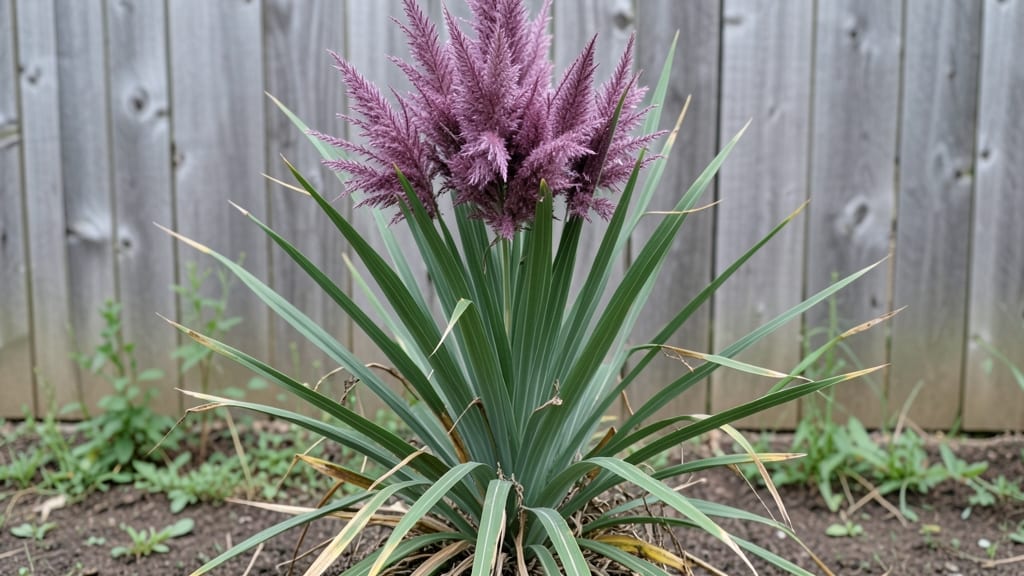
Adding purple pampas grass to your garden instantly elevates its drama with those signature fluffy plumes that dance in the breeze.
Picture this: a 6-foot tower of silvery-purple feathery plumes swaying against a crisp blue sky—it’s the kind of statement plant that turns heads and transforms even the simplest yard into a showstopper.
The best part? It thrives in full sun and USDA Zone 6a, making it a low-maintenance powerhouse for spring planting.
But here’s the secret: its real magic isn’t just in its height or color—it’s in how you pair it. Place it beside deep blues or warm oranges to create contrast, or let it stand alone as a bold focal point near pathways or patios.
With minimal care, this ornamental grass 🌿 delivers year-round interest, even when other plants fade.
Ready to learn how to position it for maximum impact, which companion plants make it pop, and how to keep those plumes looking fresh? Let’s dive in.
How to grow and care for purple pampas grass in your garden
If you're dreaming of a garden that commands attention year-round, purple pampas grass (Cortaderia selloana) is your secret weapon. This showstopper delivers dramatic plumes that sway in the breeze, creating a winter wonderland effect even when most plants have gone dormant.
The key to unlocking its full potential lies in understanding its unique care requirements, from soil prep to seasonal maintenance.
Unlike many ornamental grasses, pampas grass thrives on neglect once established, making it perfect for busy gardeners. However, getting it started right—especially in well-draining soil and full sun—sets the foundation for those iconic silvery-purple plumes that can reach heights of 8 to 12 feet.
Let’s dive into the step-by-step process to ensure your pampas grass grows lush, vibrant, and full of character.
- Step 1: Choose the Right Location: Select a spot with full sun exposure (6+ hours daily) and well-draining soil. Avoid low-lying areas where water pools, as pampas grass hates soggy roots.
- Step 2: Prepare the Soil: Amend heavy clay soil with compost or sand to improve drainage. Test soil pH—aim for a neutral to slightly alkaline range (6.0-7.5). Work in a balanced fertilizer (10-10-10) at planting time.
- Step 3: Plant at the Right Time: Plant bare-root pampas grass in early spring (April-May) or early fall (August-September) to allow roots to establish before extreme temperatures. Space plants 6 to 10 feet apart to accommodate their mature size.
- Step 4: Water Deeply but Infrequently: Water deeply once a week during the first growing season to encourage deep root growth. Once established, reduce watering to every 2-3 weeks, as pampas grass is drought-tolerant. Always water in the morning to prevent fungal issues.
- Step 5: Fertilize Strategically: Apply a balanced fertilizer (10-10-10) in early spring to promote new growth. Avoid fertilizing in fall or winter, as the plant enters dormancy. Over-fertilizing can lead to weak stems and fewer plumes.
- Step 6: Prune for Health and Shape: Cut back dead or damaged foliage in late winter or early spring before new growth emerges. Never prune in fall, as this removes winter interest. Use clean, sharp shears to avoid tearing the stems.
- Step 7: Protect in Winter: In USDA zones 6-8, mulch the base with 2-3 inches of straw or leaves to insulate roots. In colder zones (below 6a), consider container growing or wrapping the crown with burlap for extra protection.
- Step 8: Monitor for Pests: Watch for spider mites or scale insects, which can weaken the plant. Treat infestations with neem oil or insecticidal soap. Avoid chemical pesticides, as they can harm beneficial insects and the environment.
One of the most rewarding aspects of growing purple pampas grass is its low-maintenance nature once it’s established. Unlike many ornamental plants, it doesn’t require frequent watering or fertilizing, making it ideal for xeriscaping or low-water gardens.
However, its height and spread mean you’ll want to plan its placement carefully to avoid overcrowding other plants.
For maximum visual impact, group 3 to 5 plants together in a cluster. This creates a natural, wind-swept effect that’s far more dramatic than solitary specimens.
Pair it with low-growing perennials like lavender or sedum to highlight its towering presence, or use it as a privacy screen along fences or property lines.
In USDA zones 8-11, pampas grass is evergreen
Best companion plants for purple pampas grass in landscaping designs
Purple pampas grass (Cortaderia selloana) steals the show with its dramatic plumes, but the right companion plants elevate its impact. Pair it with textured foliage, bold blooms, or low-growing perennials to create layered, year-round interest. The key is balancing height, color contrast, and seasonal transitions—think silver-blue against deep purple or warm terracotta to highlight its ethereal plumes.
For height balance, I recommend shrubs like bottlebrush (Callistemon) or ornamental grasses like fountain grass (Pennisetum) to frame its towering presence. Drought-tolerant perennials, such as lavender (Lavandula) or sage (Salvia), add color and texture without competing for water.
Even evergreen shrubs, like boxwood (Buxus), create a structured backdrop that lets the pampas grass stand out in winter.
🌿
| Companion Plant | Color Contrast | Height Range | Seasonal Notes | Care Level |
|---|---|---|---|---|
| Bottlebrush (Callistemon) | Red/orange blooms | 6–10 ft | Summer-fall blooms; evergreen | Moderate |
| Lavender (Lavandula) | Purple-blue foliage | 1–3 ft | Fragrant summer blooms; drought-tolerant | Low |
| Fountain Grass (Pennisetum) | Gold/cream plumes | 2–4 ft | Year-round texture; winter interest | Low |
| Boxwood (Buxus) | Dark green foliage | 2–4 ft | Evergreen structure; year-round | Moderate |
| Salvia (Salvia officinalis) | Purple-gray leaves | 1–2 ft | Spring blooms; aromatic | Low |
| Yucca (Yucca filamentosa) | Blue-green spikes | 3–5 ft | Drought-proof; winter hardy | Very Low |
To create visual harmony, I love pairing pampas grass with yucca (Yucca filamentosa) for a Mediterranean vibe or shrub roses (Rosa) for romantic contrast. The silvery-blue of fountain grass mirrors the pampas grass’s plumes, while deep purple salvia intensifies its dramatic effect.
For winter interest, evergreens like boxwood keep the garden lush when pampas grass’s plumes turn crisp.
Pro tip: Space companions 3–5 feet apart to avoid overcrowding while maintaining visual flow. Group 3–5 plants together for a bold statement, or use single specimens as focal points near entryways or patios.
In container gardens, pair pampas grass with trailing plants like helichrysum to soften its tall silhouette.
For seasonal transitions, I recommend spring-blooming bulbs like allium or daffodils to prep the stage before pampas grass takes center stage in summer and fall.
In autumn, orange or red foliage (e.g., smoke bush (Cotinus)) complements the pampas grass’s silvery tones, while winter-blooming hellebores add early color.
Remember, drought tolerance is key—stick to native or Mediterranean plants to reduce maintenance. With the right companions, your pampas grass will shine year-round, whether it’s whispering in the breeze or standing tall against winter’s chill.
🌷