
Pruning
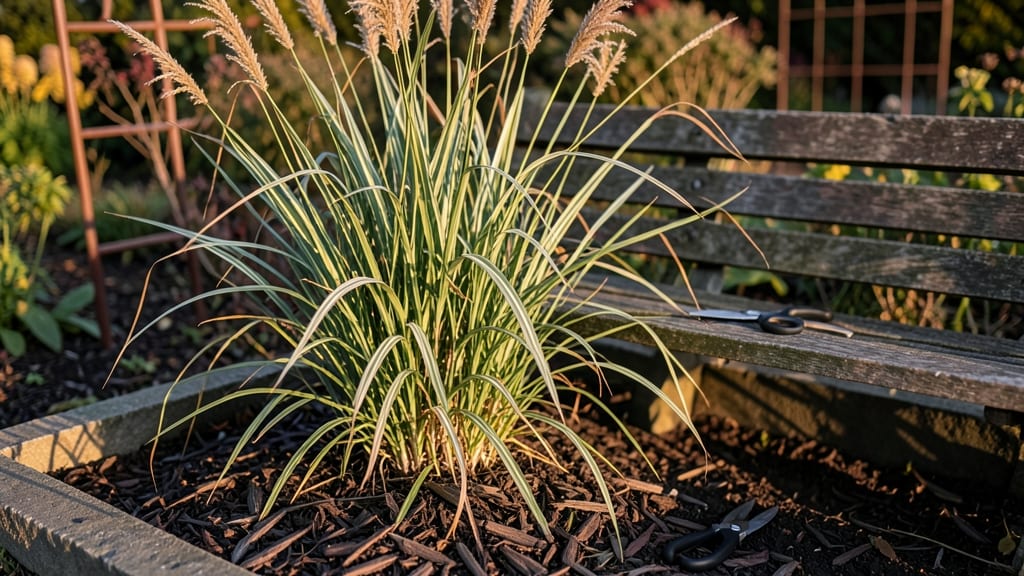
Mastering ornamental grasses care and pruning isn’t as scary as it sounds—just four strategic cuts keep them looking sharp all year. ✨ I’ve turned my overgrown clumps into neat, architectural statement pieces with a simple routine that takes less than 30 minutes twice a year. a year.
The key is timing: late winter and late summer are your magic windows, but knowing which blades to trim makes all the difference.
You’ll need sharp pruners or a string trimmer, gloves, and maybe a rake for cleanup. Clumping grasses like Miscanthus get a clean sweep of dead foliage, while fountain types like Pennisetum need their old growth trimmed back to reveal fresh growth at the base.
The goal? Keep the plant’s natural shape while encouraging dense, upright growth for that winter-interest look.
After pruning, your grasses will rebound with bold, vibrant new shoots—some even bloom brighter. The first cut in late winter removes last year’s spent growth, while the summer trim keeps them tidy without sacrificing next year’s seed heads.
Just avoid hacking away at the crown, or you’ll stunt the plant’s growth. Think of it like giving your grasses a haircut, not a buzz cut.
This method works for sunny borders, shady corners, or even container gardens—no matter your space, the same principles apply. Once you master the cuts, you’ll wonder why you ever let them get wild. Let’s get those blades in shape!
📚 In This Guide
- What you need
- Instructions
- Tips and common mistakes
- Wrapping up and next steps
What you need
- ● Pruning shears or hedge clippers: Sharp, bypass-style blades (10–12" for medium grasses, 16" for large clumps). Example: Felco F-2 or Corona Pro.
- ● Heavy-duty pruning saw: For thick, woody stems (e.g., Miscanthus or Panicum). Look for a bow saw with a 10–14" blade.
- ● Garden gloves: Cut-resistant (e.g., Wolverine or Fiskars) to protect hands from sharp edges.
- ● Rake or stiff brush: A bow rake (for debris) or a stiff-bristle brush (to clean dead growth).
- ● Wheelbarrow or trash bags: For hauling clippings (2–4 bags or a 10–12 cubic ft. wheelbarrow).
- ● Measuring tape: To assess grass height (1–2" increments for precision).
- ○ Garden hose or watering can: For post-pruning hydration (optional but helpful for dusty days).
- ● String or line level: To mark even pruning heights (especially for formal designs).
- ● Knee pads: For comfort during low-to-the-ground pruning (e.g., Carex varieties).
- ● Disinfectant spray: (70% isopropyl alcohol) to sterilize tools between cuts and prevent disease spread.
- ● Compost bin: For recycling clippings into nutrient-rich soil amendments.
- ● Safety goggles: If pruning near dusty or windy areas.
How to prune ornamental grasses for year-round structure
Here's the simple system I use to keep ornamental grasses looking fresh without the overwhelm.
🌿 Step 1: Identify Your Grass Types and Growth Habits
First, group your grasses into two categories: clumping (like Miscanthus or Pennisetum) and bunching (like fountain grasses). Clumpers grow outward in tight groups, while bunchers send up multiple stems from a single base. This matters because their pruning needs differ completely.
Run your fingers through the grass stems now. If they feel stiff and upright, you're dealing with bunching types. If they spread in all directions from a central crown, you've got clumpers. I always mark mine with a plant tag after this step—it saves confusion later.
✂️ Step 2: First Cut in Late Winter or Early Spring
This is your hard prune, and it's the most dramatic cut of the year. For clumping grasses, cut back 1/3 of the oldest growth—look for the brown, woody stems at the center. For bunching types, cut everything down to 4-6 inches tall, just above a node where new growth emerges.
I use clean, sharp pruners for this step. Never use dull tools—they crush stems and leave ragged cuts that invite disease. After cutting, rake away all debris to prevent pests from overwintering in the thatch. This first cut reveals the grass's natural shape and prepares it for fresh spring growth.
☀️ Step 3: Mid-Season Cleanup in Summer
Wait until you see new growth emerging from the base—usually in May or June, depending on your climate. At this point, remove any dead or damaged stems by cutting them at the base. For clumpers, thin out crowded centers to improve airflow and prevent fungal issues.
Here's where it gets simple: just look for stems that look brown and brittle at the base or have less than 50% green foliage. These are your targets. I never cut more than 20% of the plant's total volume in this step—you're just tidying up, not reshaping.
🌱 Step 4: Final Cut in Fall Before Dormancy
This is your light maintenance cut, timed when about 50% of the foliage has turned brown but before frost. For clumpers, cut back only the dead stems, leaving the green growth intact. For bunchers, cut everything down to 6-12 inches tall, depending on how woody the stems have become.
Real talk: this step prevents your grasses from looking like tangled hay piles over winter. After cutting, I always leave the clippings on the bed—they decompose and add nutrients back to the soil. Just don't let them pile up against the grass crowns.
⏰ Step 5: Optional Winter Interest Pruning
If your grasses have seed heads or interesting winter textures that you want to preserve, skip cutting them back until late winter. For others, you can do a very light trim in December to remove only the most unsightly stems, leaving the architectural forms intact.
I only do this in cold climates where grasses stay standing all winter. In milder areas, a clean winter look is usually better. The key is to never cut into the crown—always leave at least 2 inches of growth above the base to protect the plant's energy stores for spring.
Tips & tricks for perfect ornamental grass pruning
These simple strategies will help you maintain your ornamental grasses with confidence—no green thumb required.
The Grass Type Test: Before you prune, run your fingers through the stems to feel the difference between bunching and clumping grasses. Bunching types (like fountain grasses) have stiff, upright stems that grow from a single base, while clumpers (like Miscanthus) spread outward in all directions. This simple test saves you from guessing—and prevents over-pruning. I've marked my plants with plant tags after this step to avoid confusion later.
Hard Prune Secrets: In Step 2, when cutting back bunching grasses to 4-6 inches, always cut just above a growth node. These little bumps along the stem are where new shoots emerge, and cutting here ensures your grass bounces back stronger. For clumpers, focus on removing only the oldest, brown stems at the center—never more than 1/3 of the plant at once. I use a sharp pruner and make clean cuts to avoid damaging the healthy growth.
Mid-Season Cleanup: In Step 3, when you're removing dead stems, think of it as giving your grasses a breath of fresh air. Cutting back stems with less than 50% green foliage improves airflow and prevents fungal diseases. I never exceed 20% of the plant's volume in this step—this is about tidying, not reshaping. A quick visual check with your fingers helps identify which stems need to go.
Fall Pruning Wisdom: For Step 4, timing is everything. Wait until about 50% of the foliage has browned but before the first frost. This ensures you're removing only the dead growth while leaving the plant's energy reserves intact. After cutting, resist the urge to remove all the clippings—leaving them on the bed adds nutrients back to the soil as they decompose. Just make sure they don't pile up against the grass crowns.
Pro Tips for Ornamental Grasses Care Pruning
- These simple strategies will help you maintain your ornamental grasses with confidence—no green thumb required.
- The Grass Type Test: Before you prune, run your fingers through the stems to feel the difference between bunching and clumping grasses.
- Hard Prune Secrets: In Step 2, when cutting back bunching grasses to 4-6 inches, always cut just above a growth node.
Frequently asked questions
Got questions about keeping your ornamental grasses looking their best? You’re not alone! Here are answers to the most common concerns—from timing to troubleshooting—to help you master the art of pruning with confidence.
When is the best time to prune ornamental grasses?
The ideal time depends on the type, but generally, prune dead or damaged foliage in late winter or early spring (before new growth starts) and cut back old growth in late winter or early spring (just as new shoots emerge). For cold-hardy grasses, wait until after the first hard frost to tidy up. Pro tip: Never prune in fall—it removes winter interest and insulation for roots!
How often should I prune ornamental grasses?
Most ornamental grasses need one major pruning per year (late winter/early spring) to remove old growth. Light trimming throughout the year—like snipping dead seed heads or brown tips—keeps them tidy. Over-pruning weakens the plant, so aim for just one deep cut annually unless pests or disease strike.
What if I prune at the wrong time? Can I fix it?
Mistakes happen! If you prune too early (before new growth), the grass may look bare but will recover. Late pruning (summer/fall) can stress the plant, but it won’t kill it—just reduce next year’s growth. Fix it by:
- Leaving some old foliage for winter interest.
- Avoiding heavy cuts until spring.
- Watering deeply to help recovery.
Should I prune ornamental grasses in winter?
Not usually! Winter is for resting—pruning then removes protective layers and exposes roots to cold. Exception: If ice or snow breaks the grass, trim gently to avoid damage. Wait until late winter (when new growth is visible) for your main pruning.
What if my ornamental grass looks sad after pruning?
Don’t panic! A ragged or sparse look post-pruning is normal—new growth will fill in. Revive it with:
- Fertilizer (low-nitrogen, high-potassium for strength).
- Consistent watering (1 inch per week).
- Patience—some grasses take 4–6 weeks to bounce back!
Wrapping up and next steps
Caring for and pruning your ornamental grasses doesn’t have to be complicated—just follow those four simple seasonal cuts to keep them thriving year-round! 🌿 With the right tools and timing, you’ll enjoy lush, structured foliage that adds texture and movement to your garden.
Now that you’re armed with the know-how, grab those shears and get pruning—your grasses (and future garden goals) will thank you!
Ready for even more? Next up: Explore creative ways to style your pruned grasses in containers, borders, or as stunning focal points!