
Plants
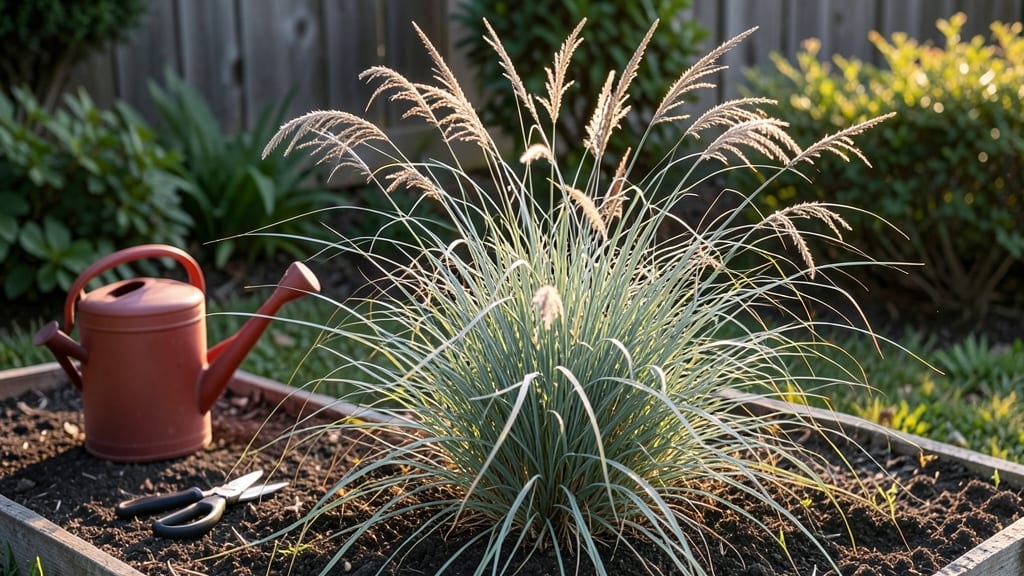
Mastering oriental grass care—like lush Miscanthus and delicate Hakonechloa—requires a few hard-won tricks to keep them thriving year-round, especially after my first summer drought disaster. nearly lost them—now I know exactly how to balance water, soil, and sunlight for that velvety green look even in drought or winter chill.
You’ll need well-draining soil mixed with compost, bright morning light (but afternoon shade in hot zones), and a sharp pair of pruners for clean cuts. Most people overwater these grasses, which leads to root rot, so I’ll show you the foolproof watering schedule that keeps them thriving without soggy roots.
The payoff? Year-round texture, movement, and that jewel-toned contrast they’re famous for.
Seasonal care is where the magic happens—pruning in late winter, dividing clumps every few years, and protecting them from harsh winds. I’ll walk you through each step, including how to spot pests early (like spider mites) before they take hold.
By the end, your grasses will look like they belong in a high-end nursery, not just your backyard.
Whether you’re in a dry desert climate or a rainy Pacific Northwest zone, these grasses adapt beautifully with the right adjustments. Let’s get them growing strong for seasons to come—no guesswork, just results.
📚 In This Guide
- What you need
- Instructions
- Tips and common mistakes
- Wrapping up and next steps
What you need
- ● Sharp lawn mower (preferably reel mower for precision) – Required
- ● Lawn shears or edging shears (for trimming edges) – Highly recommended
- ● Rake or dethatcher (metal or plastic, depending on soil type) – Required
- ● Watering can or hose with adjustable nozzle (for deep, even watering) – Required
- ○ Garden gloves (nitrile or leather for durability) – Optional but wise
- ● Soil pH test kit (to check acidity/alkalinity) – Recommended for long-term care
- ● Fertilizer (slow-release, nitrogen-rich for Oriental grass) – Seasonal (spring/fall)
- ○ Mulching mower bag (to recycle clippings) – Optional
- ● Lawn aerator (manual or mechanical, for compacted soil) – Every 1-2 years
- ● Weed barrier fabric (to prevent invasive grasses) – For new installations
- ● Smart sprinkler system (for automated watering) – Luxury upgrade
- ● Leaf blower or vacuum (for debris removal) – Fall cleanup
- ● Access to well-draining soil (Oriental grass hates soggy roots!)
- ● Sunlight exposure: 6+ hours of direct sun daily (partial shade is okay but may slow growth).
- ● Time commitment: Weekly maintenance (watering, mowing, trimming) for peak results.
How to maintain Oriental grass for year-round beauty
This method keeps your ornamental grass thriving through all seasons—no matter your climate.
Select and Prepare the Planting Site
Oriental grasses like Miscanthus and Hakonechloa thrive in well-draining soil with partial to full sun exposure (at least 6 hours daily). Choose a site with 6-12 inches of loose, airy soil—compacted clay will stunt root growth. I always test drainage by digging a 12-inch hole, filling it with water, and checking if it drains within 30 minutes. If not, amend with 2 inches of coarse sand mixed into the top 6 inches of soil.
Spread 2 inches of compost over the planting area and work it into the top 4 inches of soil. This improves fertility without overwhelming the plant. Oriental grasses are drought-tolerant once established, but they need rich, crumbly soil to develop their signature upright forms. Avoid fresh manure—it can burn delicate roots and disrupt the microbial balance.
Plant Correctly for Season-Long Stability
Dig a hole twice as wide as the root ball but only as deep as the container. The top of the root ball should sit 1 inch above ground level—burying it too deep suffocates the crown and invites rot. Gently tease the roots outward if they’re circling the container, but don’t force them. I like to add a handful of slow-release fertilizer (10-10-10) to the backfill soil to give the grass a nutrient boost without overfeeding.
Water deeply right after planting to settle the soil around the roots. You’ll know it’s right when the surface looks slightly firm but not rock-hard. Mulch with 1 inch of shredded bark (not dyed or treated) to retain moisture and suppress weeds. Keep the mulch 2 inches away from the stem to prevent crown rot—a common issue with ornamental grasses.
Water Strategically for Climate Resilience
For the first 2 weeks, water every 2-3 days until the soil feels damp 3 inches down. After that, reduce to once a week unless your region experiences consistent 90°F+ temperatures. Oriental grasses store water in their rhizomes, so they bounce back from short dry spells. The key is deep, infrequent watering—shallow sprinkles encourage weak root systems.
Check moisture by inserting your finger 2 inches into the soil. If it feels dry, water until it runs out the drainage holes. Overwatering is worse than underwatering—yellowing leaves or a mushy base signals root rot. In winter, reduce watering to once every 3 weeks unless you’re in a Zone 3 or colder, where snow provides natural hydration.
Prune and Divide for Long-Term Health
Cut back dead foliage in early spring (before new growth appears) using clean, sharp pruners. I trim 2 inches above the ground for most varieties, but some like Hakonechloa benefit from leaving 4 inches of stubble for winter interest. Bag the clippings—leaving them on the ground can harbor pests. After pruning, apply a thin layer of compost to replenish nutrients lost during dormancy.
Divide clumps every 3-4 years in early spring when shoots are 3-4 inches tall. Dig around the perimeter with a spade, lifting the entire plant and separating sections with 2-3 healthy fans of leaves each. Replant divisions immediately in prepared soil. This prevents overcrowding and rejuvenates growth. If you skip dividing, the center dies out while the edges sprawl—your grass will look bare in the middle.
Protect Through Seasonal Shifts
In late fall, reduce watering and stop fertilizing. Oriental grasses go dormant naturally, and forcing growth with late-season nutrients weakens their winter hardiness. In Zones 5-7, mound 2-3 inches of mulch around the base to insulate roots. For Zones 8-10, no extra protection is needed—they handle mild winters easily.
Watch for bronzing or browning in winter—this is normal. If leaves turn black or slimy, remove the plant immediately to prevent fungal spread. In early spring, brush off old mulch and check for pests like scale or spider mites. A neem oil spray (mixed per label) resolves infestations before they take hold. Your goal is to mimic the grass’s natural dormancy cycle, not force it to stay active.
Tips & tricks for perfect Oriental grass care
These insights will help you avoid common pitfalls and ensure your ornamental grasses thrive year after year with minimal effort.
Soil Preparation Insight: When testing drainage in Step 1, fill that 12-inch hole with water and wait the full 30 minutes before making adjustments. I've seen gardeners rush this step and end up with soggy soil that smothers roots. If drainage is poor, mix that 2 inches of coarse sand thoroughly into the top 6 inches—don't just scatter it on top. The goal is to create a loose, airy medium that mimics the grass's natural habitat.
Planting Depth Technique: The 1-inch elevation above ground level in Step 2 is critical—this prevents crown rot, which is the silent killer of ornamental grasses. I've had clients bury plants too deep, and within months, the center would turn mushy. Use a level or small board to create a consistent planting depth across multiple plants. For container-grown grasses, gently squeeze the root ball to check for circling roots before teasing them outward.
Watering Strategy for Different Climates: The 90°F threshold in Step 3 is where things change dramatically. In my Zone 7 garden, I stick to weekly watering until summer hits, then increase to every other day until temperatures drop. For containers, check moisture more frequently—they dry out faster. Remember that deep watering means saturating until water runs out drainage holes, not just dampening the surface. This builds strong rhizomes that store water for drought periods.
Seasonal Pruning Nuance: That 2-inch trim in Step 4 works for most varieties, but I've learned the hard way that Hakonechloa deserves special treatment. Leaving 4 inches of stubble creates winter interest while protecting the crown. Always use clean, sharp pruners—dull blades crush stems and invite disease. After pruning, I spread a thin layer of compost over the area to replenish nutrients lost during dormancy, which jumpstarts spring growth.
Pro Tips for Oriental Grass Care
- These insights will help you avoid common pitfalls and ensure your ornamental grasses thrive year after year with minimal effort.
- Soil Preparation Insight: When testing drainage in Step 1, fill that 12-inch hole with water and wait the full 30 minutes before making adjustments.
- Planting Depth Technique: The 1-inch elevation above ground level in Step 2 is critical—this prevents crown rot, which is the silent killer of ornamental grasses.
Frequently asked questions
Got questions about keeping your Oriental grass thriving? Here are some of the most common concerns—plus straightforward answers to help you maintain that lush, green carpet year-round.
How often should I water Oriental grass?
Water deeply 2–3 times per week during the growing season (spring/fall) to encourage strong root development. In hot, dry climates, increase to 3–4 times weekly—always check soil moisture first. Early morning watering (before 10 AM) minimizes evaporation and fungal risks. Drip irrigation is ideal for even distribution.
When is the best time to mow Oriental grass?
Mow when the grass is dry and upright—typically 2–3 times per week in summer and every 1–2 weeks in cooler months. Keep blades at 1.5–2.5 inches for shade tolerance and drought resistance. Never remove more than ⅓ of the blade height at once—this stresses the grass. Sharpen mower blades annually for clean cuts!
How do I prevent pests like chinch bugs or grubs?
Start with cultural prevention: maintain proper mowing height, water consistently, and fertilize with slow-release nitrogen (like 16-4-8). For infestations, apply neem oil (early-stage) or imidacloprid (severe cases). Aerate annually to disrupt pest habitats. Watch for wilting patches—a red flag for chinch bugs!
Does Oriental grass go dormant in winter?
Yes! In cold climates (below 20°F), it turns brown but stays alive. Stop fertilizing in late fall and reduce watering to 1–2 times/month. Rake off debris in early spring to reveal green shoots. In mild winters, light watering (when soil is dry) keeps it verdant. Never mow dormant grass—it won’t regrow!
Can I overseed Oriental grass if it gets thin?
Yes, but timing is key! Overseed in early fall (Sept–Oct) when temps are 60–75°F. Choose fine fescue or ryegrass blends for compatibility. Lightly rake soil, spread seed, and keep moist for 2–3 weeks. Avoid overseeding in summer—heat stress kills new seedlings. Pro tip: Test soil pH (ideal: 6.0–7.0) before seeding.
Wrapping up and next steps
Caring for Oriental grass is all about patience, consistency, and a little finesse—no matter your climate! 🌿 With the right tools, techniques, and seasonal adjustments, you’ll enjoy a year-round lush carpet that’s both low-maintenance and stunning. Whether you’re trimming, fertilizing, or protecting against pests, small efforts yield big rewards.
Ready to transform your space? Start by booking a weekend project to assess your grass’s needs—then roll up your sleeves! 💪 With these tips, your Oriental grass will thrive, turning heads (and envy) in every season.