
Lawn
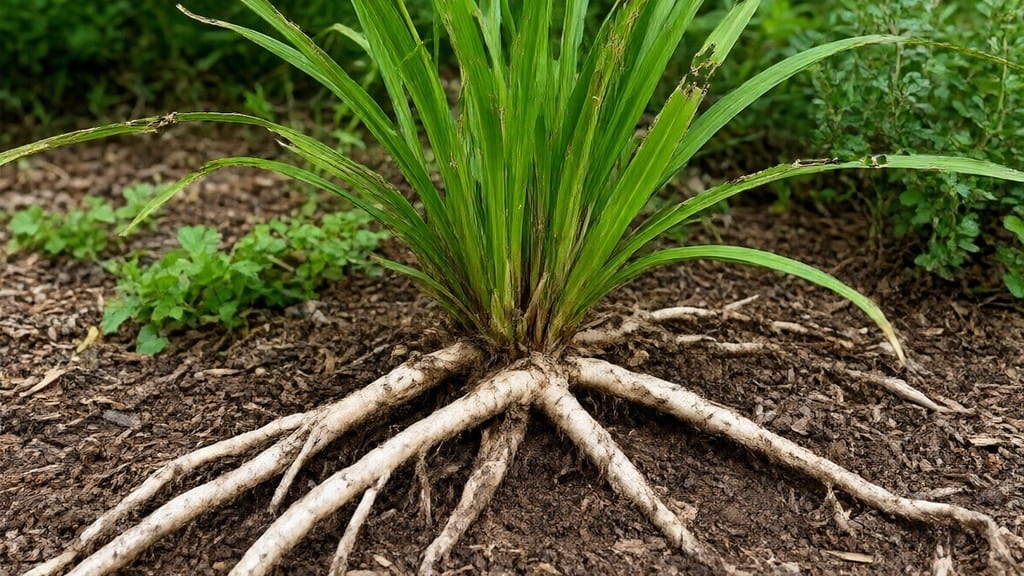
Nutgrass roots are the lawn's worst nightmare—those sneaky rhizomes spread faster than weeds in a summer storm. 🌱 I've battled this invasive sedge in my own yard, and I'll show you how to starve it out before it takes over your grass.
The key? Targeting those underground runners before they regrow.
Most people pull nutgrass by the stems, but that just leaves the roots to sprout new plants. Instead, we'll dig deeper—literally—to sever the rhizomes completely. Solarizing the soil in summer or smothering it with thick mulch can also break its cycle.
It takes patience, but the payoff is a lawn that stays nutgrass-free.
By the end of this, you'll know exactly where to dig, which tools to use, and how to keep new shoots from popping up. The secret? Consistency. Nutgrass gives up when you starve its roots of sunlight and water. Let's get started on reclaiming your yard.
Works for both lawns and garden beds, though lawns require more aggressive treatment. The methods here cut through even the toughest infestations—no matter how long it's been there.
Root Causes Of Nutgrass Spread
Nutgrass (Cyperus rotundus) isn’t just a pesky weed—it’s a biological survivor with a root system designed to outlast even the most aggressive treatments. Understanding why it thrives in lawns and gardens is the first step to permanently stopping its spread.
Here’s why this invasive plant keeps coming back, rooted in science and real-world conditions.
🌱 Hardened rhizomes & tubers: nature’s backup plan
Nutgrass doesn’t just have roots—it has a dual underground defense system: rhizomes (horizontal, creeping stems) and tubers (thick, bulb-like storage organs). These structures are packed with starch reserves, allowing the plant to:
- Survive drought: Tubers can remain dormant for years without water, then sprout when conditions improve.
- Regenerate from fragments: Even a 1-inch piece of rhizome or tuber left in the soil can grow into a new plant. (That’s why mowing or tilling often spreads the problem.)
- Resist herbicides: The thick, waxy coating on tubers blocks absorption of many chemical treatments, making them herbicide-resistant.
Actionable insight: If you’ve pulled nutgrass and seen it regrow, chances are you missed even a small piece of rhizome or tuber. Think of it like weed whack-a-mole—what you see above ground is just the tip of the iceberg.
🌡️ Soil conditions: the perfect nutgrass buffet
Nutgrass loves compacted, nutrient-rich soil—the kind found in:
- Lawns with heavy foot traffic: Compacted soil smothers grass roots, creating gaps nutgrass exploits.
- Over-fertilized areas: High nitrogen levels (common in lawns) boost nutgrass growth more than grass.
- Poorly drained soil: Nutgrass thrives in wet but not soggy conditions, often outcompeting grass in yards with minor drainage issues.
- Disturbed soil: Construction, digging, or even aeration can unearth dormant tubers, triggering new growth.
Science backup: A study in Weed Science found nutgrass grows 30% faster in soil with high organic matter and low competition from grass. That’s why it takes over thin or stressed lawns.
Pro tip: 🌡️ Test your soil—if it’s too rich in nutrients or compacted, amending it with sand or organic matter (like compost) can starve out nutgrass by making conditions unfavorable.
🌱 Seed & fragment spread: how it hides in plain sight
Nutgrass doesn’t just spread from roots—it’s also a stealthy hitchhiker. Here’s how:
| Spread Method | How It Happens | Real-World Risk |
|---|---|---|
| Seeds | Produces 2,000+ seeds per plant, which float in water or cling to shoes, tools, and pets. | One seed in your garden bed or potted plant can start a new infestation. |
| Rhizome fragments | Even tiny pieces (as small as a pencil eraser) left in soil or on equipment can regrow. | Mowing, tilling, or not cleaning lawn tools spreads fragments like wildfire. |
| Water movement | Tubers and rhizomes float and can travel via irrigation, rain runoff, or even bird baths. | If your neighbor has nutgrass, it can drift into your yard during heavy rains. |
Critical mistake: Many homeowners assume pulling nutgrass is enough—but if fragments stick to gloves, shoes, or lawnmower blades, they’ll just plant the weed elsewhere.
Prevention tip: 🧹 Sanitize tools with a 10% bleach solution or rubbing alcohol after use in infested areas. Never compost nutgrass—it’ll just re-sprout.
🛡️ Herbicide resistance: why sprays often fail
Nutgrass has evolved to resist common herbicides, thanks to:
- Thick cuticle layer: The waxy coating on tubers blocks absorption of post-emergent herbicides (like glyphosate).
- Rapid regrowth: Even if you kill the top growth, dormant tubers can push new shoots in 2–4 weeks.
- Misapplication: Most herbicides fail if not applied at the right growth stage (nutgrass is most vulnerable when young and actively growing).
Hard truth: A single application of a broad-spectrum herbicide (like Roundup) often temporarily kills the visible weed but leaves tubers intact. That’s why nutgrass comes back stronger.
Smart strategy: 🎯 Combine treatments—use a pre-emergent herbicide in early spring (to block seeds) and a systemic treatment (like oxadiazon) to penetrate tubers. Repeat every 4–6 weeks for 3–4 months.
How to solve it
Dealing with nutgrass roots (also known as nut sedge) can feel like a never-ending battle, but with the right strategies, you can reclaim your lawn. This hardy weed thrives because of its deep, resilient root system, so your approach must be aggressive yet methodical.
Below, we break down solutions by cause—whether it’s overlapping roots, regrowth from fragments, or poor soil conditions—and provide step-by-step fixes to stop it in its tracks. Plus, we’ll share prevention tips to keep nutgrass from creeping back.
###
🔥 1. Manual Removal: Dig Deep to Break the Cycle
Nutgrass roots can regrow from even tiny fragments left in the soil, so proper excavation is key. If you’ve tried pulling weeds by hand before with no luck, you’re not alone—this weed demands a more precise method.
- 🔪 Use a digging fork or trowel: Insert the tool at least 6–8 inches deep around the weed’s base to sever the roots completely. Nutgrass roots can sprawl horizontally, so dig in a zigzag pattern to avoid missing any.
- 🌱 Remove ALL soil clumps: Shake off excess dirt and inspect the roots for fragments. Even a pea-sized piece can sprout into a new plant.
- 🗑️ Dispose of weeds properly: Place them in a sealed bag and trash them immediately—don’t compost! Nutgrass can survive composting and reinfest your lawn.
Pro Tip: 💡 Timing matters. Pull weeds when the soil is moist but not soggy (early morning or after rain) to make extraction easier.
###
🍳 2. Herbicide Treatment: Chemical Warfare for Stubborn Cases
If manual removal isn’t enough—or if your lawn is heavily infested—herbicides can be a powerful tool. However, not all herbicides work on nutgrass, and misapplication can harm your grass. Here’s how to do it right:
- 💊 Choose the right herbicide: Look for products containing glyphosate (e.g., Roundup) or sulfentrazone (e.g., Sedgehammer). These are effective against nutgrass roots. Always follow label instructions for dilution and safety.
- 🌡️ Apply on a warm, sunny day: Nutgrass absorbs herbicides best when actively growing. Early morning or late afternoon applications can reduce stress on your lawn.
- 🛡️ Protect surrounding plants: Use a shield or cardboard to cover desirable plants if spraying near edges. For spot treatment, use a dropper or sponge applicator for precision.
- ⏰ Reapply if needed: Nutgrass may take 2–3 weeks to fully die. Monitor the area and treat again if regrowth appears.
Caution: ⚠️ Herbicides can harm pets and children. Wait 24–48 hours before allowing them back on the treated area.
###
👨🍳 3. Smothering & Soil Starvation: Cut Off Nutgrass’ Food Supply
Nutgrass thrives in nutrient-rich soil. By starving it of sunlight and organic matter, you can weaken its growth over time. This method is ideal for preventing regrowth after removal.
- 📦 Use thick mulch or cardboard: Cover the affected area with 3–4 layers of wet newspaper or cardboard, then top with 2–3 inches of mulch. This blocks sunlight and suffocates roots. Keep the mulch moist for 4–6 weeks.
- 🌱 Plant dense ground cover: Once the area is clear, overseed with tall fescue, Bermuda grass, or clover. A thick lawn leaves no room for nutgrass to take hold.
- 💧 Reduce watering in infested spots: Nutgrass loves moisture. If you notice it popping up in low-traffic, damp areas, let the soil dry out slightly between waterings.
Pro Tip: ✨ Combine methods for best results. After smothering, apply a pre-emergent herbicide in spring to prevent new sprouts.
###
✨ 4. Prevention Tips: Keep Nutgrass From Returning
The best defense is a proactive offense. Once you’ve eliminated nutgrass, these habits will help keep it away for good:
- 🌱 Maintain a healthy lawn:
- Mow at 3–4 inches high to shade out weeds.
- Fertilize regularly to promote thick grass growth.
- Aerate compacted soil annually to improve root health.
- 🔍 Inspect & act fast: Pull new nutgrass shoots immediately—they’re easier to remove when young.
- 🚫 Avoid overwatering: Nutgrass thrives in soggy conditions. Water deeply but infrequently to encourage deep grass roots.
- 🛠️ Clean tools regularly: Wash gardening tools with soapy water after use to prevent spreading nutgrass fragments.
Bonus: 🎯 If nutgrass keeps returning in specific spots, consider installing edging or landscape fabric to block its spread from garden beds or pathways.
Frequently asked questions
How deep do I need to dig to remove nutgrass roots completely?
For complete eradication, dig at least 6-8 inches deep around each plant to sever the rhizomes. Nutgrass roots spread horizontally, so use a zigzag pattern with a digging fork or trowel to avoid missing any fragments. Even a pea-sized piece left behind can regrow into a new plant.
Can I use vinegar to kill nutgrass roots?
Vinegar can kill the top growth, but it won't penetrate deep enough to destroy the stubborn rhizomes and tubers. For best results, combine vinegar spot treatments with manual removal or smothering methods. The roots will eventually starve without sunlight and nutrients.
Why does nutgrass keep coming back after I treat it?
Nutgrass has dormant tubers that can survive for years in the soil. If you only kill the visible plants but leave fragments or tubers intact, they'll regrow. The key is consistency—combine removal, herbicide treatments, and soil starvation methods for at least 3-4 months to break the cycle.
Is there a natural way to prevent nutgrass without chemicals?
Yes! Maintain a thick, healthy lawn by mowing at 3-4 inches and aerating annually. Solarize the soil in summer by covering infested areas with clear plastic for 4-6 weeks to bake the roots. Also, reduce watering in problem areas—nutgrass thrives in moist conditions.
How long does it take to completely eliminate nutgrass?
With consistent treatment, most homeowners see significant reduction in 2-3 months. However, complete elimination can take up to 12 months because of dormant tubers. Patience is key—focus on preventing new growth rather than waiting for instant results.