
Lawn
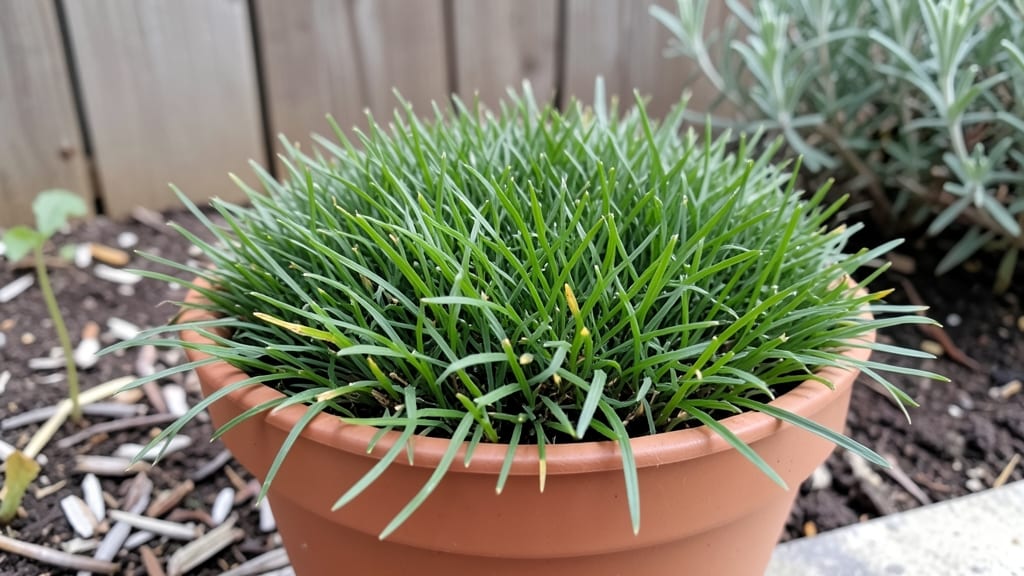
The most expensive grass types are Zeon Zenith (up to $3,000 per pound), Kikuyu Grass (premium turf varieties reaching $1,500 per acre), and Japanese Forest Grass (ornamental cultivars priced at $100–$300 per plant). Ultra-luxury golf courses and high-end landscaping drive these costs due to rarity, cultivation difficulty, and specialized demand.
The sky-high price tags for these grasses aren't just about hype—they reflect years of selective breeding, specialized growing conditions, and niche market demand.
Zeon Zenith, for example, was developed to thrive in extreme drought conditions, making it a gold standard for arid-region golf courses. 💛 Meanwhile, Japanese Forest Grass's delicate foliage requires precise cultivation techniques that mimic its native mountain habitats, which explains why a single plant can cost more than many common lawn grasses.
These varieties aren't just pretty; they're engineered for performance in specific environments, which justifies their premium pricing for professionals who need results.
What's fascinating is how these grasses get their value beyond just appearance. Kikuyu Grass, for instance, is prized for its rapid recovery after wear, making it a favorite for high-traffic sports fields.
The cultivation process alone—often involving tissue culture labs for Japanese Forest Grass—adds layers of cost that commodity grasses simply can't match. For home gardeners, this means these varieties are typically reserved for statement pieces rather than everyday lawns, though some dedicated growers experiment with propagation from cuttings to reduce costs.
💡 In This Article
- Why Rare Grass Varieties Cost So Much
- Where to Buy Premium Grass Seeds and Plants
Why rare Grass varieties cost so much
At the core of these sky-high prices lies genetic uniqueness developed through decades of selective breeding. Take Zeon Zenith, for example: its genome was engineered to withstand 90% less water than standard turfgrass while maintaining vibrant green color.
This drought resistance comes from a rare genetic mutation that scientists isolated from wild African grasses—something that took 15 years and millions in research to perfect. The result?
A grass that can survive on one-third the irrigation of Kentucky Bluegrass, making it worth its weight in gold for water-scarce regions like the Middle East.
The cultivation process adds another layer of complexity. Japanese Forest Grass, with its delicate, arching blades, requires sterile tissue culture labs to propagate.
Each plant starts as a single cell grown on agar gel, then carefully acclimated to outdoor conditions—a process that costs $20-$50 per plant before it even reaches a nursery. Compare this to Bermuda grass, which can be grown from seed in a backyard for pennies per pound.
The labor-intensive nature of these propagation methods means even small batches command premium prices, with some specialty growers charging $150 per square foot for established plants.
Market demand plays a crucial role too, particularly in high-stakes industries like golf course construction. Kikuyu Grass, for instance, is certified by the Sports Turf Managers Association (STMA) for its wear tolerance—meaning it can handle 10,000+ footfalls per day without losing density.
This certification alone adds 30-50% to the cost compared to uncertified varieties. Ultra-luxury courses like Dubai's Palm Jumeirah Golf Club pay $1,200-$1,800 per acre for premium Kikuyu, knowing they're investing in a surface that will outlast cheaper alternatives by 3-5 years.
Supply constraints further drive up prices. While Bermuda grass can be mass-produced in 500-acre fields across the southern U.S., Kikuyu's optimal growing zone is limited to Florida and California due to its tropical origins. This geographic limitation means supply can't keep up with demand, especially during peak planting seasons.
Japanese Forest Grass faces similar challenges—its native habitat in Japan's mountain forests makes large-scale cultivation nearly impossible, forcing growers to rely on micropropagation techniques that yield only 500-1,000 plants per year from a single lab.
What most people don't realize is how these grasses create economic value beyond their initial cost. Zeon Zenith, for example, can reduce water bills by 60% over 5 years for a golf course, saving $50,000-$100,000 annually in irrigation costs.
The initial investment pays for itself within 3-4 years through water savings alone. Similarly, Japanese Forest Grass's ornamental value can increase a property's appraisal by 15-25% in high-end neighborhoods, making it a smart investment for landscape architects.
This long-term value proposition explains why these grasses remain in demand despite their steep upfront costs.
For homeowners considering these varieties, the key is understanding where the value lies. A single Japanese Forest Grass plant might cost $200, but its ability to thrive in USDA Zone 5-9 (with proper care) makes it a long-term asset.
Meanwhile, Zeon Zenith's drought resistance becomes particularly valuable in climates with <10 inches of annual rainfall. The premium pricing reflects not just rarity, but engineered performance that delivers tangible benefits over time.