
Lawn
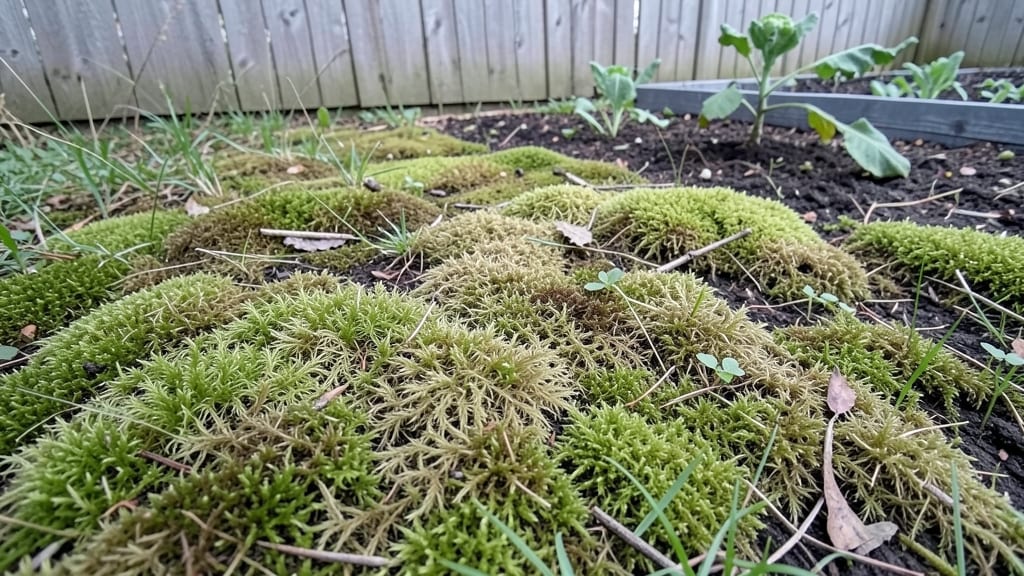
My lawn’s soft green carpet turned into a mossy mess—until I discovered how to reverse it naturally. ✨ The key isn’t fighting moss head-on but fixing the conditions that let it take over in the first place.
Most people grab chemicals, but I found a 3-week plan that works without them, using simple tools you already have.
Moss thrives where grass struggles: shady spots, compacted soil, or when lawns get too wet or too dry. My first mistake was assuming it was just weeds—until I realized it was a symptom, not the problem.
The solution? Improve airflow, adjust watering, and give grass a fighting chance with the right care routine.
Within 21 days, you’ll see new grass blades pushing through, thicker and greener than before. No more patchy, spongy lawns—just a lush, springy surface that stays moss-free season after season. The best part? This method works even in shady yards where grass usually gives up.
We’ll cover exactly what to do week by week, plus the long-term tweaks that keep moss from coming back. No guesswork, just results—starting with your first mow after treatment. Ready to reclaim your lawn the natural way?
Root Causes Behind Lawn Moss
If your lawn is slowly transforming into a plush, green carpet of moss, it’s not just a cosmetic issue—it’s a signal that something deeper is amiss.
Moss thrives in conditions that grass struggles to survive in, and understanding why it’s taking over is the first step to reclaiming your lawn naturally. Below, we break down the key factors driving moss growth and how they create the perfect environment for this resilient plant.
🌧️ Poor drainage & waterlogged soil
Moss loves moisture, but grass needs balance. When your lawn sits in soggy conditions—whether from heavy clay soil, compacted ground, or poor grading—water pools instead of draining. This creates a permanently damp environment where moss spores germinate and spread rapidly.
- Why it happens: Grass roots require oxygen, which is displaced in waterlogged soil. Moss, however, thrives in anaerobic (low-oxygen) conditions, making it the dominant plant in these areas.
- Actionable clue: If your lawn feels spongy underfoot or puddles linger for hours after rain, drainage is likely the culprit. Moss often appears in low-lying spots, near downspouts, or along sidewalks where water collects.
- Science note: Moss spores remain dormant until soil moisture exceeds 80-90% capacity. Once activated, they grow aggressively in just 7-14 days.
🌑 Shady conditions & low light
Grass needs sunlight to photosynthesize and grow, but moss doesn’t. In shady areas—under trees, along north-facing walls, or in dense landscaping—grass weakens while moss spreads unchecked. Most lawn grasses require 4-6 hours of direct sunlight daily; anything less leaves them vulnerable.
- Why it happens: Moss has a low light tolerance due to its ability to absorb moisture from the air (via rhizoids, not roots). Shade reduces grass growth, while moss continues to thrive, filling the gap.
- Actionable clue: Check for moss in consistently shaded patches. If your lawn has more than 30% shade, moss will dominate within a season.
- Pro tip: 🌿 Dwarf fescue or fine fescue grasses are shade-tolerant alternatives that can outcompete moss if given proper care.
🧴 Acidic soil & nutrient imbalance
Moss prefers acidic soil (pH 4.5–6.0), while most lawn grasses thrive in slightly acidic to neutral soil (pH 6.0–7.5). If your soil is too acidic, grass struggles to absorb essential nutrients like nitrogen, phosphorus, and potassium—leaving it weak and moss-free zones to expand.
- Why it happens: Acidic soil often results from:
- Decomposition of organic matter (e.g., fallen leaves, pine needles).
- Overuse of certain fertilizers (e.g., ammonium sulfate).
- Poor microbial activity breaking down nutrients.
- Actionable clue: Test your soil pH—if it’s below 6.0, moss will dominate. A simple DIY pH test kit (or lab test) can confirm.
- Science note: Moss releases organic acids that further lower soil pH, creating a feedback loop of acidity and moss growth.
🪴 Compacted soil & lack of aeration
Heavy foot traffic, machinery, or clay-heavy soil compacts the ground, reducing airflow and water infiltration. Compacted soil strangles grass roots by limiting oxygen and nutrient access, while moss—with its shallow, non-invasive growth habit—flourishes in these conditions.
- Why it happens:
- Compacted soil has 10–30% less pore space for roots, suffocating grass.
- Moss spreads via spore dispersal, which thrives in tight, moist microenvironments.
- Actionable clue: Perform the "screw test": If a screwdriver won’t penetrate more than 3 inches into the soil, compaction is likely.
- Pro tip: 🔥 Aerate annually in spring/fall to break up compaction. Core aeration (removing small soil plugs) is the most effective method.
🌱 Thin or dying grass cover
Moss doesn’t just replace grass—it replaces bare soil. When grass thins due to disease, drought, or poor maintenance, moss fills the gaps like a living carpet. Even small patches of bare soil (from pet urine, foot traffic, or thatch buildup) give moss a foothold.
- Why it happens:
- Grass needs 80–90% ground cover to outcompete weeds/moss. Below that, moss spores land and germinate within 24–48 hours.
- Thatch (a layer of dead grass) blocks water and nutrients, weakening grass roots.
- Actionable clue: Walk your lawn—if you see more moss than grass in any 1-square-foot area, the grass is already losing the battle.
- Fix it: Overseed thin areas with disease-resistant grass seed and apply a light layer of compost to encourage root growth.
Key takeaway: Moss isn’t just a random invader—it’s a symptom of deeper lawn health issues. By addressing drainage, light, soil pH, compaction, and grass density, you can starve out moss and restore a lush, resilient lawn without chemicals.
Quick Fixes for a Lush Lawn Revival
If moss is creeping into your lawn like an uninvited guest, don’t panic—there are natural, effective ways to reclaim your grass without harsh chemicals. The key is addressing the root cause (literally!) while giving your lawn the care it needs to bounce back.
Below, we break down the most common reasons moss thrives and how to flip the script for a healthier, moss-free yard in just a few weeks.
🌱 Cause 1: Shady, Damp Conditions
Moss loves low light and moisture, so if your lawn is in the shade or stays soggy, it’s a prime breeding ground. Here’s how to outsmart it:
- 🔥 Raise the Grass Level Moss grows where grass struggles to take root. Use a rake or dethatching tool to loosen the moss layer, then top-dress with a thin layer of compost or sand (about ¼ inch) to raise the grass blades above the moss.
- 🌞 Improve Airflow & Sunlight Trim overhanging tree branches (if safe) to let in more sunlight. If shading is unavoidable, opt for shade-tolerant grass seeds like fine fescue or creeping red fescue.
- 💡 Pro Tip: After raking, sprinkle dolomitic lime (if your soil is acidic) to create a less hospitable environment for moss.
🌧️ Cause 2: Poor Drainage or Overwatering
Moss thrives in waterlogged soil, so if your lawn stays damp for days, it’s a red flag. Fix drainage with these steps:
- 👨🍳 Aerate the Soil Rent a core aerator to punch holes (3–4 inches deep) in the lawn. This helps water drain faster and lets grass roots access nutrients. Do this in spring or fall for best results.
- 🥘 Adjust Your Watering Routine Moss loves constant moisture. Switch to deep, infrequent watering (1–1.5 inches per week) and water in the early morning to reduce evaporation.
- ⏰ Fix Low Spots If water pools in certain areas, level them with topsoil or sand to improve drainage. For severe cases, consider installing a French drain.
🍄 Cause 3: Compacted or Acidic Soil
Moss takes over when grass can’t compete—usually because the soil is too dense or acidic. Here’s how to restore balance:
- 🔪 Break Up Compaction Rent a soil compaction roller or use a garden fork to loosen hardpan layers. Mix in organic matter (like compost or peat moss) to improve structure.
- 🌡️ Test & Adjust Soil pH Use a DIY soil test kit (available at garden centers). If pH is below 6.0 (acidic), apply garden lime in early fall. For alkaline soil (above 7.0), use sulfur or peat moss.
- 🎯 Overseed for a Thicker Lawn Once conditions improve, overseed with high-quality grass seed (like Kentucky bluegrass or perennial ryegrass) to outcompete moss. Use a starter fertilizer to help seeds germinate faster.
🛡️ Prevention Tips for Long-Term Success
Once you’ve kicked moss to the curb, keep it from staging a comeback with these low-maintenance habits:
- ✨ Mow High – Set your lawnmower to 3–4 inches to shade out moss and encourage deep roots.
- 💡 Regularly Aerate – Do this once a year to prevent soil compaction.
- 🍂 Clean Up Debris – Remove leaves and thatch, which trap moisture and invite moss.
- 🌿 Choose the Right Grass – If your yard is shady, pick moss-resistant varieties like tall fescue or zoysia grass.
With these steps, your lawn should start recovering within 3–4 weeks. The key is consistency—moss won’t disappear overnight, but a healthier lawn will naturally crowd it out over time. No chemicals needed!
Frequently asked questions
Why does moss spread so fast in my lawn?
Moss thrives in damp, shady conditions where grass struggles. It spreads rapidly because spores germinate within 24-48 hours when soil moisture exceeds 80%. Unlike grass, moss doesn't need roots—it absorbs water through its leaves, making it perfect for compacted or poorly drained areas. The faster it spreads, the more it signals underlying lawn health issues like poor drainage or acidic soil.
Can I just rake out moss and expect grass to grow back?
Raking helps, but it's only a temporary fix. Moss returns quickly if you don't address the root causes—like soil compaction or poor drainage. After removing moss, improve conditions by aerating, adjusting watering habits, and overseeding with disease-resistant grass seed. Without these steps, moss will likely creep back within weeks.
Is moss bad for my lawn long-term?
Moss itself isn't harmful, but it's a sign your lawn needs attention. While it doesn't kill grass, it competes for space and nutrients, weakening your lawn's overall health. Over time, moss can also make soil more acidic, creating a feedback loop that makes grass struggle even more. The real danger is ignoring the conditions that let moss take over in the first place.
How often should I aerate to prevent moss?
For most lawns, aerating once a year in spring or fall is ideal. High-traffic areas or clay-heavy soil may need aeration twice yearly. This breaks up compaction, improves drainage, and gives grass roots better access to oxygen and nutrients—all factors that make moss less likely to spread. Think of it as a preventive maintenance step, not just a moss treatment.
Will lime really help if my soil is acidic?
Yes! Applying garden lime (calcium carbonate) raises soil pH, creating conditions less favorable for moss. Aim for a pH of 6.0-7.0—most lawn grasses prefer this range. Start with a soil test to determine how much lime you need, then reapply every 2-3 years as needed. The results are noticeable within 4-6 weeks as grass begins to outcompete moss.