
Lawn
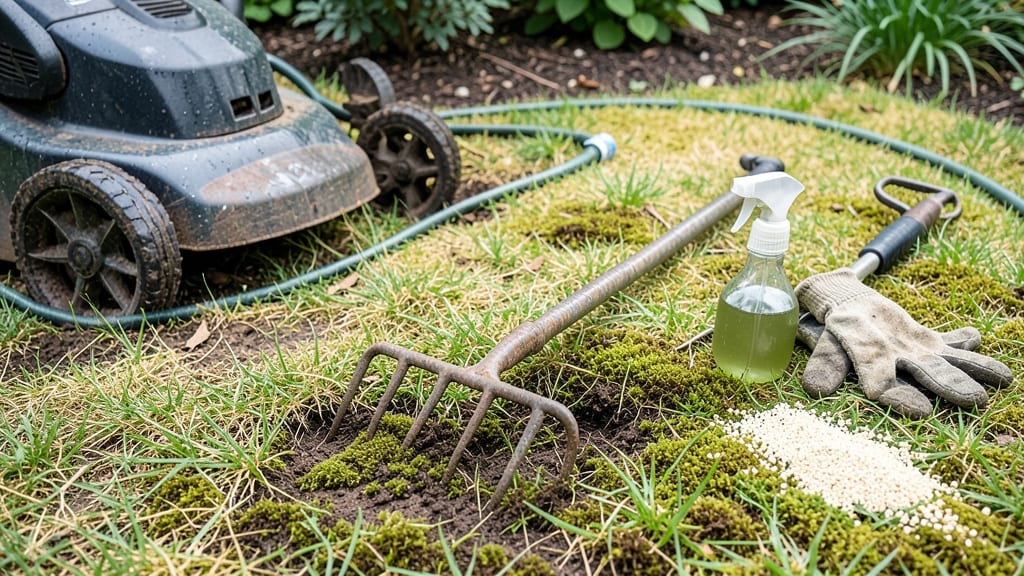
Tired of battling moss removal in lawns that just won’t quit? This 48-hour scrub method actually works—no more losing fights with stubborn patches. 🌱 I’ve spent years dealing with moss that resisted rakes and vinegar sprays, but this approach finally gave me back that thick, green carpet I wanted.
The secret lies in a combination of scrubbing, sunlight exposure, and organic treatments that break down moss without harming your grass. Most people overlook how moss thrives in shady, compacted soil—so we’ll fix that too.
Within two days, you’ll see the difference: moss lifting, grass roots waking up, and a lawn that looks like it belongs in a postcard. You’ll need just three basic tools—a stiff broom, a lawn rake, and a hose—and a little elbow grease.
The process is simple but effective: scrub the moss loose, rake it away, and then give your grass the chance to reclaim its space. No harsh chemicals, no waiting months for results.
This method works for any lawn size, from small patches to full yards, and keeps your grass healthier long-term. Let’s get that moss out for good!
The Hidden Triggers Behind Moss
Moss thrives in lawns not because it’s a stubborn weed, but because it’s a smart opportunist—exploiting conditions that most grasses simply can’t handle. Understanding why moss takes over is the first step to reclaiming your lush, green lawn.
Let’s break down the science behind its persistence and how your lawn might be unknowingly inviting it in.
Moss loves wet feet. Unlike grasses, which need well-drained soil to breathe, moss thrives in consistently damp or waterlogged conditions. Here’s why:
- Compacted Soil: Heavy foot traffic, machinery, or clay-heavy soil compresses the ground, preventing water from draining properly. Moss spores land on these soggy patches and explode in growth.
- Low-Sloping or Flat Lawns: Water pools in depressions or low-lying areas, creating permanent damp zones. Even a slight grade (less than 1%) can turn your lawn into a moss magnet.
- Impermeable Surfaces Nearby: Driveways, patios, or dense shrubbery can redirect rainwater toward your lawn, turning it into a swampy oasis for moss.
Actionable Fix: Test your soil’s drainage by digging a 6-inch hole and filling it with water. If it doesn’t drain within 4 hours, your lawn is at risk. Aerate compacted areas and consider installing French drains or swales to redirect water.
Grass is a sun-worshipper, while moss is the shade-loving underdog. When trees, buildings, or tall hedges block sunlight, grass struggles to photosynthesize and weakens. Moss, however, thrives in low-light conditions because:
- Reduced Competition: Weak grass can’t outcompete moss for nutrients, leaving bare patches perfect for moss colonization.
- Moisture Retention: Shady areas stay damp longer, and moss’s shallow roots absorb water efficiently, even in dim light.
- Slow Decomposition: Moss breaks down organic matter faster than grass in shaded areas, creating a self-sustaining cycle of decay and regrowth.
Actionable Fix: Thin out overgrown shrubs or prune trees to allow at least 6 hours of direct sunlight per day. If shading is unavoidable, overseed with shade-tolerant grasses like fine fescue or creeping red fescue.
Moss doesn’t just tolerate acidic soil—it craves it. While most lawn grasses prefer a neutral pH (6.0–7.0), moss thrives in acidic conditions (below 5.5). Here’s how pH shifts create a moss-friendly lawn:
- Natural Acidification: Organic matter like fallen leaves or pine needles decomposes, releasing acids that lower pH over time.
- Fungal Activity: Poor soil health encourages fungi, which further acidify the soil and suppress grass roots.
- Lack of Lime: Without periodic soil amendments, acidic conditions persist, giving moss the upper hand.
Actionable Fix: Test your soil’s pH with a kit (ideal range for grass: 6.0–7.0). If it’s below 5.5, apply pelletized lime in early fall or spring. Aim for a gradual adjustment—raising pH too quickly can harm grass roots.
Moss doesn’t just replace grass—it replaces the absence of grass. When your lawn has bare spots, thin patches, or dead patches, moss sees an invitation. Here’s why:
- No Root Competition: Grass roots absorb water and nutrients, leaving moss to swoop in where grass can’t grow.
- Exposed Soil: Bare soil retains moisture longer and provides the perfect seedbed for moss spores to germinate.
- Disease or Pest Damage: Grubs, fungal infections (like brown patch), or drought stress kill grass, creating moss-friendly gaps.
Actionable Fix: Overseed thin areas with disease-resistant grass varieties and address underlying issues (e.g., grubs, fungal treatments, or irrigation adjustments). A thick, healthy lawn is moss’s worst enemy.
Pro Tip: 💡 Moss often appears in the same spots year after year—don’t ignore it! These "hotspots" are your lawn’s weak points. Target them first with drainage fixes, sunlight adjustments, or soil amendments before moss spreads further.
Quick Fixes for a Lush Lawn
Moss in your lawn isn’t just unsightly—it’s a sign your grass is struggling to thrive. But the good news? With the right approach, you can banish moss in 48 hours and restore a vibrant, healthy lawn.
Below, we break down the root causes of moss growth and match them with practical, step-by-step solutions—plus tips to keep moss from creeping back.
Moss loves shade, but grass craves sunlight. If moss is taking over shady spots, increase light and airflow to give your grass a fighting chance.
🌞 How to Fix It:
- 🍃 Trim Overhanging Branches - Use pruning shears or a hedge trimmer to thin out tree branches blocking sunlight.
Aim for at least 4–6 hours of direct sunlight per day in problem areas. - Pro Tip: 💡 If trees are too large, consider selective pruning to open up the canopy without harming the tree.
- 🏡 Adjust Landscaping for Better Flow
- Move shrubs, fences, or structures that cast deep shadows. Even a few inches of extra light can make a difference.
- Pro Tip: ✨ Plant sun-loving ground covers (like clover or creeping thyme) under trees to outcompete moss naturally.
- 🌱 Rake & Aerate to Improve Soil - Moss thrives on compacted, moist soil.
Use a lawn rake to break up the moss layer, then aerate (rent a core aerator or use a manual spike aerator) to let water and air reach the roots. - Pro Tip: 🌡️ Do this on a dry, sunny day—wet moss will slip and clog your rake!
Moss loves damp conditions, while grass prefers well-drained soil. If your lawn stays soggy, moss will spread like wildfire.
🚿 How to Fix It:
- 🔪 Improve Drainage in 2 Steps
- Step 1: Dig small trenches (2–3 inches deep) in waterlogged areas and fill them with gravel or sand to redirect water.
- Step 2: Top-dress with compost or peat moss (not the same as lawn moss!) to absorb excess moisture.
- Pro Tip: 🎯 For severe cases, install French drains or a swale (a shallow ditch) to funnel water away.
- ⏰ Water Less, But Smarter
- Deep watering 2–3 times per week (early morning) encourages deep roots, while frequent light watering keeps moss happy.
- Pro Tip: 💦 Use a soaker hose or sprinkler with adjustable settings to avoid oversaturating shady spots.
- 🍄 Kill Moss with a Quick Scrub
- Mix 1 gallon of hot water + 1 tbsp dish soap + 1 cup white vinegar in a spray bottle.
- Spray directly on moss, let sit for 10 minutes, then scrub with a stiff brush and rinse.
- Pro Tip: 🔥 For large areas, use a pressure washer (low setting) to blast moss away—just avoid damaging grass blades!
Moss invades when grass lacks nutrients and competition. If your soil is acidic, thin, or nutrient-poor, moss will move in.
📊 How to Fix It:
- 🔄 Test & Adjust Soil pH
- Moss thrives in acidic soil (pH 4.5–5.5), while grass prefers 6.0–7.0.
- Test your soil with a DIY kit (available at garden centers), then amend with:
- Lime (for acidic soil) – Sprinkle 5 lbs per 100 sq ft and water in.
- Sulfur (for alkaline soil) – Use sparingly, as it can worsen moss growth.
- 🍽️ Feed Your Grass, Starve the Moss
- Apply a high-nitrogen fertilizer (like 16-4-8) in early spring and fall to strengthen grass.
- Pro Tip: 💪 For organic options, use composted manure or bone meal for a slow-release nutrient boost.
- 🌿 Overseed Bare Spots
- Moss fills gaps where grass is weak. Sprinkle grass seed (choose shade-tolerant varieties like fine fescue) over bare patches.
- Lightly rake to cover seeds, then keep moist (not soggy) until germination (~10–14 days).
- Pro Tip: ✨ Use a starter fertilizer with phosphorus to encourage root growth.
Once you’ve removed moss, stop it from returning with these long-term strategies:
- 🌡️ Mow High – Set your lawnmower to 3–4 inches to shade out moss and strengthen grass. - 🍂 Clean Up Debris – Remove leaves, twigs, and thatch that trap moisture. - 🌱 Aerate Annually – Core aeration (spring or fall) keeps soil healthy and moss-free. - 🌿 Choose the Right Grass – If your yard is shady, opt for moss-resistant grasses like creeping red fescue. - 🚫 Avoid Heavy Foot Traffic – Compacted soil = moss paradise.
Use garden paths in high-traffic areas.
Final Thought: Moss removal doesn’t have to be a battle—just a strategic cleanup followed by proactive lawn care. With these fixes, your lawn will go from mossy and sad to green and proud in just 48 hours! 🚀
Frequently asked questions
Can I use salt to kill moss in my lawn?
While salt can kill moss, it’s a harsh method that also harms grass and nearby plants. For small patches, sprinkle rock salt lightly and water it in—but avoid using it near trees, shrubs, or desirable plants. A better alternative is the vinegar and dish soap scrub mentioned in the guide, which targets moss without damaging grass.
How often should I aerate my lawn to prevent moss?
For moss-prone lawns, aerate once a year in either early fall or spring when grass is actively growing. Core aeration (removing small soil plugs) works best, as it improves drainage and reduces soil compaction—the two biggest moss triggers. If your lawn is very dense or clay-heavy, consider aerating twice a year.
Will moss come back if I don’t fix the underlying problems?
Moss is a symptom, not the root cause. If you remove it but don’t address shade, poor drainage, or acidic soil, it’ll return within weeks. The 48-hour scrub method buys you time, but long-term success requires fixing what’s making your lawn moss-friendly—like improving sunlight, adjusting pH, or overseeding bare spots.
Is there a natural way to raise my lawn’s pH without lime?
Yes! For a gentler approach, spread wood ash (from untreated wood) or crushed eggshells over your lawn. These add calcium and slightly raise pH over time. However, lime remains the fastest and most effective method for severe acidity. Test your soil first—aim for a pH between 6.0–7.0 for healthy grass growth.
Can I mow over moss to remove it?
Mowing alone won’t eliminate moss—it just chops it up, making it harder to remove later. For best results, rake or scrub the moss first, then mow your lawn at a higher setting (3–4 inches) to shade out any remaining spores. The key is to weaken the moss before it spreads further.