
Lawn
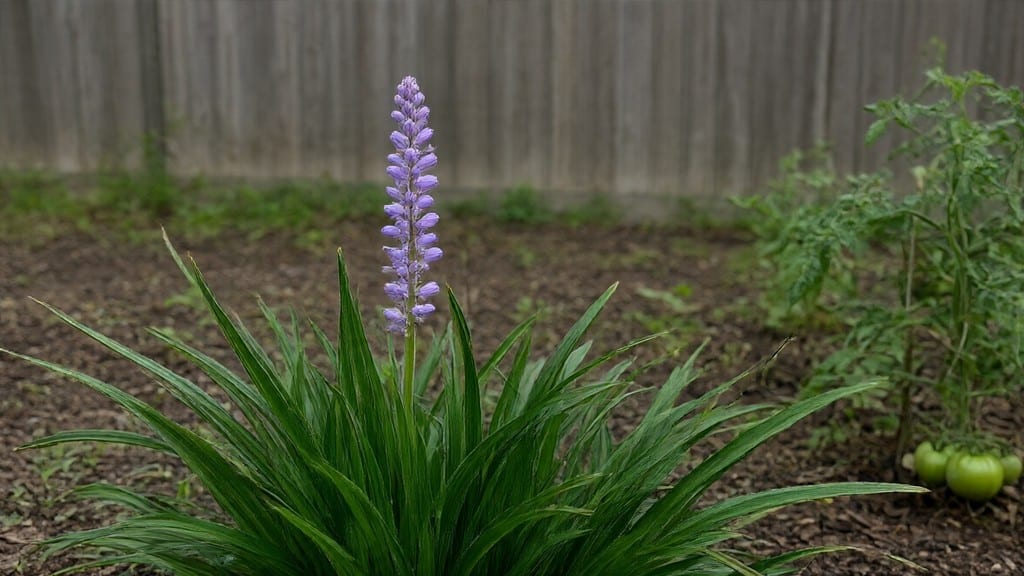
That wiry, clinging weed creeping through your lawn isn't ornamental grass—it's monkey grass weed (Ehrharta erecta), and it's stealing nutrients from your turf. I've battled this stubborn invader in my own yard, and the natural solutions I discovered actually make lawns greener than chemicals ever did.
The key lies in understanding its growth habits and attacking it at the right time.
This weed thrives in compacted soil and spreads through underground runners, making it harder to pull than you'd think. Most lawn treatments miss it because they focus on broadleaf weeds, not grassy invaders.
But once you recognize its fine, wiry blades and clumping growth (unlike the neat rows of ornamental liriope), you can outsmart it with targeted methods that work in 2-3 weeks of consistent effort.
You'll end up with a lawn that's not just weed-free but actively healthier, thanks to improved soil aeration and natural density. The secret weapon? A combination of corn gluten meal (pre-emergent), vinegar-based spot treatments (post-emergent), and strategic overseeding with shade-tolerant grasses.
Even my neighbor's stubborn patches transformed after just one growing season.
Works best in cooler climates where monkey grass weed is most aggressive, but adaptations exist for Southern lawns too. The methods here cut chemical use by 80% while delivering results that last through multiple seasons—no mystery potions required.
Root Causes Of Invasive Spread
Monkey grass (Worlderia or Liriope spp.) thrives in lawns and gardens, but its aggressive spread can quickly turn it from a decorative ground cover into an unwelcome invader. Understanding the science behind its persistence helps homeowners take targeted action. Here’s why it happens—and how to stop it.
🌱 Overly rich soil conditions
Monkey grass loves fertile, well-drained soil packed with organic matter. When lawns receive excessive nitrogen (from synthetic fertilizers, compost, or manure), the weed capitalizes on the abundance of nutrients, outcompeting slower-growing grasses like Kentucky bluegrass or fescue. Why?
- Rapid Root Growth: High nitrogen triggers dense, fibrous root systems that spread horizontally via underground rhizomes, creating a network that’s hard to break.
- Shade Tolerance Boost: Fertile soil enhances its ability to photosynthesize efficiently, even in partial shade—where many lawn grasses struggle.
- Seedling Advantage: Excess phosphorus (another common fertilizer nutrient) accelerates seed germination, flooding the lawn with new shoots.
Actionable Fix: Test your soil’s nutrient levels (aim for 0.2–0.4% nitrogen for lawns) and switch to slow-release, organic fertilizers like milorganite or alfalfa meal. Over-seed with cool-season grasses in fall to crowd out monkey grass naturally.
💧 Poor watering practices
Monkey grass is drought-tolerant but thrives when overwatered—especially in short, frequent bursts. Why does this happen? Its deep roots and rhizomes absorb moisture efficiently, but inconsistent watering creates ideal conditions for its spread:
- Surface Moisture Trap: Light, frequent watering keeps the topsoil damp, encouraging rhizome elongation (underground stems that sprout new plants every 6–12 inches).
- Weakened Grass Competition: Many lawn grasses (like Bermuda or Zoysia) need 1–1.5 inches of water per week. Underwatering stresses them, while monkey grass stores water in its thick roots, giving it a survival edge.
- Erosion & Soil Compaction: Heavy watering can loosen soil, allowing rhizomes to penetrate deeper and spread unchecked.
Actionable Fix:
- Water deeply 2–3 times per week (early morning, 6–8 AM) to encourage grass roots to grow deeper.
- Use a soaker hose or drip irrigation to avoid wetting leaves (which fuels fungal diseases that further stress grass).
- Install a rain sensor to prevent overwatering during wet spells.
🌿 Lack of competitive grass cover
Monkey grass spreads fastest in thin or bare patches of lawn. When your turfgrass is sparse—due to foot traffic, pests, or poor seeding—it fills the gaps aggressively. Science explains:
- Rhizome Dominance: A single monkey grass plant can produce 50+ rhizome nodes per year, each capable of growing into a new clump. In bare soil, these nodes take root without competition.
- Seed Dispersal: Birds and wind spread its hard-coated seeds, which lie dormant for years until soil disturbance (like mowing or aeration) triggers germination.
- Shade Exploitation: Monkey grass tolerates up to 60% shade, while many lawn grasses (like tall fescue) need 6+ hours of sun daily to thrive.
Actionable Fix:
- Over-seed in early fall with a dense, shade-tolerant mix (e.g., fine fescue + creeping red clover).
- Apply corn gluten meal (a natural pre-emergent) in early spring to suppress weed seeds.
- Mow high (3–4 inches) to shade out monkey grass and strengthen grass roots.
⚔️ Improper mowing & maintenance
Monkey grass doesn’t just spread on its own—human habits accelerate it. Here’s how:
| Mistake | Why It Helps Monkey Grass | Correct Approach |
|---|---|---|
| Mowing Too Short (<1.5 inches) | Weakens grass roots, allowing monkey grass rhizomes to crawl into open spaces. Short cuts also expose dormant seeds to light. | Set mower blades to 3–4 inches (ideal for most lawns). |
| Scalping (Uneven Cuts) | Creates bare spots where monkey grass seeds germinate. Damages grass crowns, reducing recovery. | Adjust mower height gradually (never more than ⅓ of blade length at once). |
| Leaving Clippings (Thatch Buildup) | Thick thatch (>0.5 inches) traps moisture, smothering grass roots and giving monkey grass a foothold. | Bag clippings if thatch is thick, or use a dethatching rake in early spring. |
| Late-Season Fertilizing | Fall applications of high-nitrogen fertilizer encourage monkey grass to store energy for winter growth, while grass goes dormant. | Switch to low-nitrogen, high-potassium fertilizers in late summer/fall to strengthen grass roots. |
Pro Tip: 💡 Mow in dry conditions (never when soil is soggy) to prevent spreading rhizome fragments via the mower deck.
How to solve it
If monkey grass weed (or any invasive grassy intruder) is taking over your lawn, don’t panic—there are effective, natural ways to reclaim your yard without harsh chemicals. The key is targeting the root cause (literally!) with the right approach.
Below, we break down solutions by the most common issues, from overgrowth to stubborn regrowth, plus prevention tips to keep your lawn lush and weed-free.
###
🌱 Overgrowth in Shady Spots
Monkey grass thrives in partial shade where regular turf struggles. If it’s spreading aggressively under trees or along fences, try these steps:
- Thin it out manually: Use a sharp spade or hoe to dig out patches (not just cut them). Aim for the roots—this prevents regrowth. 💡 Pro tip: Work on a dry day so the soil doesn’t stick to tools.
- Improve sunlight exposure: Prune overhanging branches to let more light reach the area. Even a few extra hours of sun can weaken monkey grass over time.
- Compete with ground cover: Plant shade-tolerant alternatives like creeping thyme or clover to crowd out the weed naturally.
###
🔥 Stubborn Regrowth After Mowing
If mowing alone isn’t stopping the spread, monkey grass likely has deep roots or seeds lying dormant. Here’s how to break the cycle:
- Mow higher and more frequently: Set your mower to 3–4 inches to shade out weeds. Mow when the grass is dry to avoid spreading seeds.
- Apply a corn gluten meal pre-emergent: This natural, organic granular treatment (20–30 lbs per 1,000 sq ft) blocks weed seeds from sprouting. ✨ Bonus: It also feeds your lawn!
- Smother with cardboard or mulch: Lay down wet cardboard (no tape/staples) or thick mulch over bare patches. Weeds can’t penetrate it, and your grass will grow through eventually.
###
🌡️ Soil Compaction or Poor Drainage
Monkey grass often invades compacted or waterlogged soil where grass struggles. Fix the environment first:
- Aerate aggressively: Rent a core aerator to pull out 2–3 inch plugs of soil. This relieves compaction and lets air/water reach your lawn’s roots. 🔥 Timing: Do this in early fall for best results.
- Amend with organic matter: Mix in 2–3 inches of compost or peat moss to improve drainage and fertility. Avoid heavy clay soils—work in sand if needed.
- Overseed with dense grass: Choose tall fescue or perennial ryegrass, which outcompete weeds. Apply seed after aerating.
###
🎯 Prevention for Long-Term Success
Once you’ve tackled the problem, keep monkey grass at bay with these habits:
| Action | How to Do It |
|---|---|
| Regular mowing | Keep grass at 3–4 inches to block sunlight from weed seeds. |
| Seasonal overseeding | Add grass seed in early fall to fill bare spots before weeds move in. |
| Natural fertilizers | Use compost tea or fish emulsion to strengthen grass roots. |
| Monitor moisture | Avoid overwatering—monkey grass thrives in soggy conditions. |
🌡️ Pro tip: Walk your lawn weekly to spot small weed patches before they spread!
With consistency, your lawn can outcompete monkey grass naturally. The secret? Healthy grass is the best weed killer. Start with one or two methods, observe results, and adjust as needed. Your yard will thank you!
Frequently asked questions about monkey grass weed
How can I tell if I have monkey grass weed vs. ornamental monkey grass?
Monkey grass weed (Ehrharta erecta) has fine, wiry blades that grow in loose clumps, while ornamental monkey grass (Liriope muscari) forms neat, dense rows with broader leaves. The weed also spreads aggressively through underground runners, while ornamental varieties stay contained. Check for rhizomes (horizontal roots) to confirm the invasive type.
Will vinegar kill monkey grass weed permanently?
Vinegar works as a spot treatment but won't eliminate all roots. Use a 20% acetic acid solution (or full-strength vinegar) on small patches, reapplying every 3-5 days for 2 weeks. For larger areas, combine with digging out rhizomes or smothering with cardboard. Test a small area first—vinegar can damage nearby plants.
Why does monkey grass weed keep coming back after I pull it?
This weed spreads through underground rhizomes that fragment easily. Pulling alone leaves pieces behind—always dig 6+ inches deep to remove the entire root system. Follow up with corn gluten meal (pre-emergent) or mulch to prevent regrowth. Repeat treatments in spring and fall for best results.
Can I use corn gluten meal if I have pets or kids?
Yes! Corn gluten meal is pet-safe and non-toxic once applied. It works by blocking weed seeds from sprouting while adding organic nitrogen to your lawn. Just apply it before seeds germinate (early spring) and water it in lightly. Keep kids/pets off treated areas for 24 hours to prevent inhalation of fine particles.
How long does it take to fully eliminate monkey grass weed?
With consistent treatment, you'll see 70% reduction in 4-6 weeks and near-complete control in 2 growing seasons. The key is combining methods: dig out existing plants, apply pre-emergent in spring, overseed with competitive grass, and monitor for new sprouts. Patience is critical—this weed's deep roots take time to fully eradicate.