
Plants
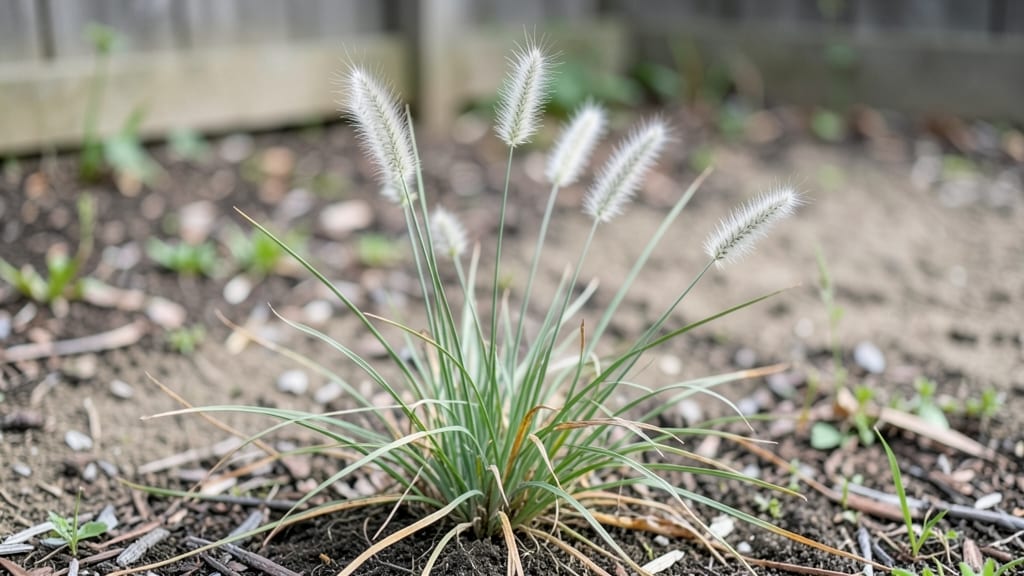
Growing mares tail grass 🌿 is like inviting wispy clouds into your garden—its silvery plumes add texture and movement with almost no effort. Imagine those feathery tufts swaying in your borders or containers, catching the light like a secret summer display.
This drought-tolerant annual thrives in full sun and well-draining soil, making it perfect for busy gardeners who want drama without the fuss. Whether you're filling gaps in a cottage garden or adding height to modern planters, it's a low-maintenance superstar that blooms from late spring through summer.
What makes it even better? It’s easy to grow from seed—just scatter them in late spring, give them space, and watch those signature plumes emerge. No fussing with fertilizers or constant watering, just pure, effortless beauty that lasts all season.
In this guide, I’ll walk you through everything from soil prep to styling tips, so you can grow lush, feather-like plumes that turn heads without turning your schedule upside down.
Mares tail grass plant care: light, soil, and watering secrets for healthy growth
Mares tail grass (Lagurus ovatus) thrives when you mimic its natural Mediterranean habitat. This drought-resistant annual loves bright sunlight and well-draining soil, but it’s surprisingly adaptable once you understand its core needs.
The key to those iconic silvery plumes lies in balancing moisture without soggy roots—a challenge many gardeners overlook. With the right conditions, your plants will grow 1-3 feet tall in just 60-90 days, creating lush, cloud-like textures in your garden.
One common mistake is assuming "drought-tolerant" means neglect-tolerant. While mares tail grass handles dry spells once established, it still needs consistent moisture during its first 4-6 weeks of growth.
The secret? Deep watering every 7-10 days rather than frequent shallow drinks. This encourages strong root development, preventing those sad, floppy plumes that ruin the effect.
Now let’s cut to the chase with your mares tail grass care cheat sheet. This summary table breaks down the ideal growing conditions so you can troubleshoot issues like yellowing leaves or stunted growth before they start.
| Care Factor | Ideal Specification | Troubleshooting Tip |
|---|---|---|
| Sunlight Needs | 6+ hours full sun daily | Leggy growth? Move to sunnier spot immediately. |
| Soil Type | Well-draining, slightly alkaline (pH 6.5-7.5) | Yellow leaves? Amend clay soil with sand/compost. |
| Watering Schedule | Deep soak every 7-10 days (more in heat) | Floppy plumes? Increase morning watering frequency. |
| Fertilizer | Balanced 10-10-10 every 4-6 weeks (spring/summer) | Brown tips? Reduce fertilizer—overfeeding burns roots. |
| Mature Height | 1-3 feet tall, 1-2 feet wide | Stunted? Thin seedlings to 6-12 inches apart. |
| Best Containers | 5+ gallon pots with drainage holes | Root-bound? Repot in spring with fresh soil. |
Let’s talk sunlight first—this is where most gardeners go wrong. Mares tail grass craves full sun (6+ hours daily) to produce its signature silvery plumes. In partial shade (3-6 hours), you’ll get leggy, sparse growth with fewer flowers.
If your garden only offers morning sun, that’s better than nothing, but pair it with a reflective surface (like a white wall or gravel) to maximize light exposure. Pro tip: South-facing windows are perfect for container growing.
For soil, think "sandy loam" with a slightly alkaline pH (6.5-7.5). This grass hates soggy roots, so amend heavy clay with perlite or coarse sand to improve drainage. A quick test: Grab a handful of soil—if it forms a tight ball when wet, it’s too dense.
Work in compost or peat moss to loosen it up. Container growers, use a cactus/succulent mix with added perlite for best results.
Watering is where the magic—and potential disasters—happen. New seedlings need consistent moisture (water when the top inch of soil feels dry), but mature plants are drought-tolerant. The trick? Deep watering (1-2 inches per week) rather than daily sprinkles.
Overhead watering can cause plume rot, so use a drip irrigation system or water at the base of the plant in the morning. If your plumes start drooping by noon, you’re underwatering—if they’re mushy or discolored, you’re overdoing it.
Yellowing leaves? This usually signals overwatering or poor drainage. Check your soil—if it stays damp for more than 48 hours, your grass is suffocating. Brown tips? Often a sign of underwatering or fertilizer burn.
Cut back on fertilizers (mares tail grass doesn’t need much) and water deeply. For floppy plumes, the issue is usually lack
How to grow mares tail grass from seed: step-by-step guide for fast, fluffy results
Growing mares tail grass from seed is easier than you think, especially when you follow the right timing and techniques. This delicate grass thrives with minimal effort but rewards you with silvery-white plumes that add texture to any garden.
Whether you're planting in containers or garden beds, the key is patience and consistent moisture during germination.
Unlike many ornamental grasses, mares tail grass seeds germinate quickly when given the right conditions. The best time to plant is in late spring after the last frost, or in early fall for a winter display.
Both methods work, but spring planting gives you the full growing season to enjoy those iconic feather-like plumes.
- Direct sowing: Scatter seeds ¼ inch deep in well-draining soil with 6–12 inches between plants.
- Starter pots: Sow seeds in biodegradable pots filled with seed-starting mix for easier transplanting.
- Full sun (6+ hours daily) for maximum plume density.
- Avoid shady spots—plumes will be sparse and less fluffy.
- Water daily until seeds germinate (7–14 days).
- Avoid waterlogging—seeds rot if soil stays soggy.
- Remove weak seedlings to leave 6–12 inches between plants.
- Use scissors to snip at soil level to avoid disturbing roots.
- Water weekly once plants are 2 inches tall.
- Let soil dry slightly between waterings to prevent fungal issues.
Once your mares tail grass is established, it’s incredibly low-maintenance. The plumes will emerge in 6–8 weeks under ideal conditions, and you’ll love how they sway in the breeze. For longer-lasting displays, deadhead spent plumes in late summer to encourage new growth.
Pro tip: Pair mares tail grass with lavender or salvia for a striking contrast in color and texture. Its drought tolerance makes it perfect for xeriscaping or filling gaps in your garden where other plants struggle.
With just a little patience and these simple steps, you’ll have lush, feathery plumes that bring a whimsical touch to your outdoor space—no green thumb required! 🌿