
Lawn
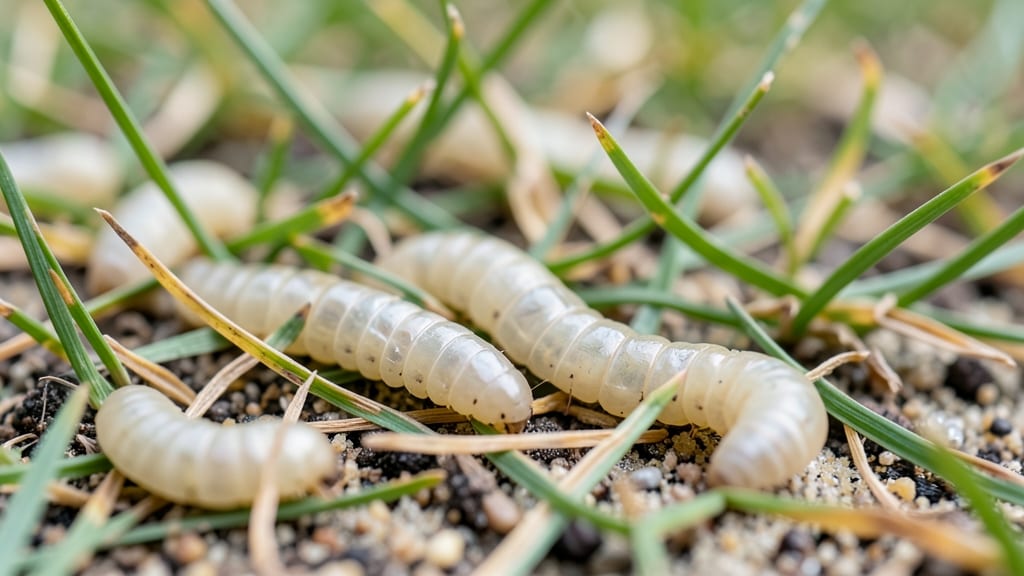
Maggots in your lawn are the last thing you want to see after mowing—those squirming white grubs mean your grass is under siege. 🌱 I’ve dealt with them enough to know the panic they cause, but there’s a 3-day solution that actually works without harsh chemicals.
The key is acting fast before they turn your lawn into a patchy mess. Most people don’t realize these grubs are actually the larvae of June bugs or other beetles, and they thrive in moist, overwatered soil.
My lawn went from lush to skeletonized in a week last summer—until I learned the right treatment. The fix starts with proper watering (less is better) and a targeted approach to break their life cycle.
By day three, you’ll see fewer maggots wriggling in your soil, and your grass will start recovering with stronger roots and a healthier green. The secret isn’t just pesticides—it’s smart lawn care that chokes out their habitat. Let’s get your lawn back in shape.
First, identify the damage: lift a small patch of grass and look for white, C-shaped grubs feeding on roots. If you find them, don’t panic—this is your cue to act. Overwatering is their best friend, so cut back on irrigation and let the soil dry slightly between waterings.
Aerating your lawn also helps, as it disrupts their cozy underground tunnels. For a natural fix, try milky spore or neem oil—both disrupt grub development without harming your grass. If the infestation is severe, a grub-specific insecticide applied at dusk (when grubs are active) can speed up recovery.
The goal is to starve them out and break their cycle before next season.
Prevention is where real progress happens. Adjust your lawn care routine: mow high, overseed thin patches, and avoid heavy nitrogen fertilizers in late summer. Beneficial nematodes, tiny soil-dwelling predators, can also keep grub populations in check naturally. With these steps, your lawn won’t just survive—it’ll thrive grub-free for years.
This method works for most grass types, whether you’ve got Kentucky bluegrass, fescue, or Bermuda. The key is consistency: treat once, monitor, and adjust as needed.
Your lawn will thank you with thicker grass, fewer pests, and less work down the road. Let’s make those maggots a thing of the past.
The Hidden Triggers Behind Lawn Invaders
If you’ve ever spotted wriggling white grubs or maggots tunneling through your lawn, you’re not alone—these creepy crawlies are more common than you think. But why do they suddenly appear, turning your lush green grass into a grub buffet?
The answer lies in a mix of environmental factors, poor lawn care habits, and even the natural life cycle of pests. Let’s break down the key reasons these unwanted guests show up and how they thrive in your yard.
Maggots—specifically the larvae of flies like the house fly or face fly—love moist, oxygen-deprived soil. When your lawn stays too wet for too long, it creates the perfect breeding ground. Here’s why:
- Excess moisture: Flies lay eggs in damp grass clippings or thatch. If your sprinkler runs too long or your soil doesn’t drain well, the eggs hatch into maggots within 24–48 hours.
- Compacted soil: Heavy foot traffic, machinery, or clay-heavy soil prevents water from draining. This trapped moisture signals flies that your lawn is a maggot paradise.
- Thatch buildup: A thick layer of organic debris (dead grass, roots) traps moisture and blocks airflow, making it easier for flies to deposit eggs.
Pro tip: 💡 Test your soil’s drainage by digging a 6-inch hole and filling it with water. If it drains slower than 4 hours, you’ve got a moisture problem. Adjust your watering schedule to early morning (1–1.5 inches per week) and aerate compacted areas in fall.
Believe it or not, your fertilizer routine might be inviting maggots. Flies are drawn to lawns with:
- High nitrogen, low phosphorus/potassium: A lawn starved of P/K (the "PK" in NPK ratios) becomes weak and stressed, making it easier for grubs to feast on roots. Meanwhile, excess nitrogen promotes lush, soft grass—a maggot’s dream snack.
- Freshly applied organic matter: Compost, grass clippings, or manure left on the lawn provide a protein-rich food source for developing maggots.
- Slow-release vs. quick-release: Quick-release fertilizers can create a nitrogen spike, which attracts flies looking for a quick egg-laying spot.
Pro tip: ✨ Use a balanced fertilizer (like 10-10-10 or 16-4-8) and avoid over-fertilizing in late summer/fall—peak maggot season. Always water in fertilizer to prevent surface buildup.
Not all lawn maggots are fly larvae—some are the grubs of beetles like the Japanese beetle or June bug. These pests lay eggs in your soil, and their larvae can cause severe damage in just weeks. Here’s how it happens:
- Adult beetles lay eggs: Japanese beetles, for example, deposit eggs in late summer in warm, moist soil. The eggs hatch into grubs that munch on roots for months.
- Cool-season grasses attract them: Kentucky bluegrass, fescue, and ryegrass are grub magnets because their roots are tender and nutrient-rich.
- Drought stress weakens defenses: When your lawn is thirsty, grubs thrive because the grass can’t fight back as effectively.
Pro tip: 🔥 Monitor for adult beetles in June/July—they’ll chew leaves but also signal future grub trouble. Apply beneficial nematodes (like Heterorhabditis bacteriophora) in late summer to target grub larvae naturally.
Maggot infestations peak in warm, humid conditions because:
- Flies are most active: House flies and other pests lay eggs aggressively when temperatures hit 70–85°F and humidity is high.
- Grubs develop faster: Warm soil speeds up the egg-to-maggot cycle. In 10 days, you could go from zero maggots to a full-blown infestation.
- Rainfall triggers hatching: A sudden downpour can cause mass hatching of dormant eggs, overwhelming your lawn.
Pro tip: 🌡️ If your area has hot, muggy summers, stay vigilant in June–August. Reduce evening watering to prevent flies from gathering at dusk.
Now that you know why these pests target your lawn, the next step is action. In the following sections, we’ll cover how to inspect for maggots, natural remedies to kick them out, and preventive strategies to keep your grass grub-free for good. 🚀
Quick Fixes for Wormy Lawn Woes
Got maggots munching on your grass? Don’t panic—these fast-acting, no-fuss solutions will help you reclaim your lawn in 3 days or less.
Below, we’ve broken down the most common causes of maggots and matched them with easy, effective fixes, plus prevention tips to keep your yard grub-free for good.
Problem: Too much water or heavy foot traffic creates a soggy, compacted lawn—maggots’ favorite breeding ground.
Fix It: 🍳 Adjust Your Watering Schedule
- Water deeply 2-3 times per week (early morning) instead of daily light sprinkles.
- Aim for 1 inch of water per week—use a rain gauge to check.
- Avoid puddles; maggots thrive in standing water.
👨🍳 Aerate the Lawn
- Rent a core aerator (or hire a pro) to pull small soil plugs, letting air, water, and nutrients reach the roots.
- Best time: Early fall or spring when grass is actively growing.
- Follow up with topsoil or compost to fill holes and improve drainage.
💡 Pro Tip: If your lawn feels spongy underfoot, compacted soil is the culprit. Aerating now prevents future maggot invasions.
Problem: You’ve spotted white grubs (maggots’ larval stage) chewing roots—your lawn needs immediate action.
Fix It: ⏰ Apply Beneficial Nematodes (Fastest Organic Fix)
- How: Mix Heterorhabditis bacteriophora nematodes with water and spray on the lawn in the evening (they die in sunlight).
- When: Late summer or early fall (when grubs are young and vulnerable).
- Nematodes paralyze and kill grubs in 24-48 hours—no chemicals needed!
🔪 Use Milky Spore or Beauveria Bassiana (Long-Term Control)
- Milky spore (Bacillus popilliae) is a natural bacteria that targets Japanese beetle grubs (common in lawns).
- How: Sprinkle powder or granules on the lawn, water lightly, and repeat 2-3 times over a month.
- Bonus: Once established, it lasts 5+ years!
🎯 Chemical Last Resort (If Grubs Are Severe)
- Imidacloprid or Trichlorfon (e.g., GrubEx) are fast-acting but should be a last option.
- Apply in late summer (when grubs are small) and water lightly to activate.
- ⚠️ Warning: Overuse can harm bees—follow label instructions!
Problem: A thick thatch layer (dead grass buildup) traps moisture and grubs, creating a maggot buffet.
Fix It: 🔥 Dethatch Your Lawn
- Use a manual thatch rake or power dethatcher to remove ¼-inch or less of thatch.
- Best time: Late spring or early summer when grass is growing fast.
- Avoid overdoing it—too much thatch removal can damage roots.
🌡️ Improve Soil Health
- Spread compost or peat moss (¼ inch thick) after dethatching to break down thatch naturally.
- Overseed with a disease-resistant grass mix to crowd out grubs.
✨ Prevent Future Thatch Buildup
- Avoid heavy nitrogen fertilizers (they promote thatch).
- Mow high (3-4 inches) to encourage deep roots and reduce thatch.
Once your lawn is maggot-free, lock in those results with these long-term strategies:
- 💪 Strengthen Your Grass
- Overseed with tall fescue or Kentucky bluegrass (grub-resistant varieties).
- Aerate annually to prevent compaction.
- 📊 Smart Fertilizing
- Use slow-release, low-nitrogen fertilizer (high phosphorus/potassium).
- Avoid fresh manure—it attracts flies and maggots.
- 🚫 Reduce Standing Water
- Fix drainage issues (grading, French drains).
- Rake up leaf litter—it holds moisture and breeds maggots.
- 🐞 Introduce Natural Predators
- Birds, toads, and ground beetles eat grubs. Leave some "wild" areas to support them!
- Ladybugs also help—buy them online if your yard lacks them.
- 🕒 Timing Is Everything
- Apply grub control in late summer (when eggs hatch) or early fall (when grubs are young).
- Skip spring treatments—adult beetles (not grubs) are active then.
Final Thought: Maggots don’t stand a chance against a healthy, well-maintained lawn. Start with aeration and nematodes, then prevent future outbreaks with smart watering and soil care. In 3 days, you’ll have a grub-free, lush lawn—no chemicals required! 🌱
Frequently asked questions
Are all white grubs in my lawn actually maggots?
Not all white grubs are maggots—many are actually beetle larvae like Japanese beetle grubs or June bug larvae. True maggots (fly larvae) are usually smaller and found near the soil surface, while beetle grubs are larger, C-shaped, and deeper in the soil. To tell them apart, lift a small patch of grass and check their size and location.
How do I know if my lawn has a maggot problem?
Look for thinning grass patches, spongy soil when stepped on, or birds digging (they love eating grubs). Lift a small section of turf—if you see white, worm-like creatures feeding on roots, you’ve got maggots. Early signs include grass that pulls up easily or brown patches that don’t improve with watering.
Can I use vinegar to kill maggots in my lawn?
Vinegar won’t kill maggots—it’s too mild. The acidity might dry out some surface grubs, but it won’t reach deeper larvae. For real results, use beneficial nematodes or milky spore. If you want a natural spray, try neem oil (mix 1 tbsp per gallon of water) to disrupt their life cycle.
Will my pets be safe if I use nematodes or milky spore?
Yes! Both beneficial nematodes and milky spore are pet-safe once applied and watered in. Avoid letting pets walk on treated areas for 24 hours to let them settle. Always follow product instructions—overapplication isn’t necessary and won’t harm pets.
How long will it take to see results after treating maggots?
With beneficial nematodes, you’ll see improvement in 24-48 hours as they kill existing grubs. For milky spore, results take 4-6 weeks to establish. Chemical treatments work faster (1-3 days), but natural methods rebuild soil health long-term. Patience pays off—consistent care prevents recurrence.