
Light Requirements
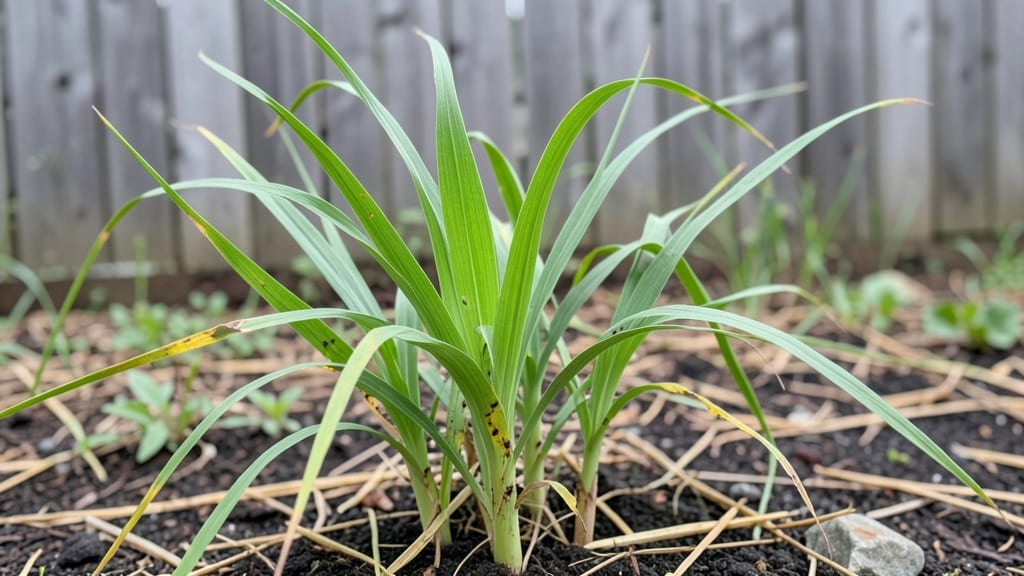
Lemon grass needs 6 to 8 hours of sunlight daily to grow strong, though it adapts to partial shade in hot climates. Insufficient light causes weak stems, while harsh afternoon sun can damage leaves. Balancing morning sun with afternoon shade often produces the best flavor and growth.
Lemon grass is a tropical plant that thrives under bright conditions, but its needs shift depending on your location. 🌿 In humid climates, it can handle more shade, while drier areas may require extra afternoon protection.
I’ve found that positioning plants near east-facing windows or under sheer curtains helps prevent leaf scorch while still providing enough light. For container growers, rotating pots occasionally ensures even exposure, which keeps the stalks upright and flavorful.
When growing indoors, supplement with grow lights for 12-14 hours daily if natural light falls short. The key is consistency—lemon grass won’t tolerate sudden shifts in light levels, so gradual adjustments work best. Pruning spent leaves also encourages new growth, which tends to be more resilient to sun variations.
💡 In This Article
- Lemon Grass Sunlight Requirements by Climate Zone
- Maximizing Lemon Grass Growth with Sunlight Strategies
Lemon grass sunlight requirements by climate Zone
Lemon grass originates from tropical Southeast Asia, where it naturally receives bright, diffuse sunlight under a dense canopy. In USDA Zones 10-12 (tropical climates), it thrives with 6-8 hours of direct sun daily, but high humidity (70%+) allows it to tolerate partial shade—especially during peak afternoon heat.
The plant's waxy leaves help reflect excess sunlight, but prolonged exposure to 90°F+ temperatures can cause leaf scorch, visible as crispy brown edges.
In USDA Zones 7-9 (temperate climates), lemon grass needs more careful sunlight management. Morning sun (6-8 AM) provides gentle warmth, while afternoon shade (after 12 PM) prevents overheating.
I’ve observed that containers in Zone 8 gardens benefit from 30-50% shade cloth during summer afternoons, which maintains leaf vibrancy while reducing stress. The plant’s growth rate slows in cooler months (50°F), so supplementing with grow lights (4000-6500K) for 4-6 hours daily can extend the growing season.
Light deficiency symptoms appear as yellowing stems and sparse foliage, while sunburn shows as brown, papery leaf tips. The key difference?
Light-starved plants grow tall and leggy, while sunburned plants develop crispy edges that crumble at the touch. 🌞 In containers, rotating pots weekly ensures even exposure, preventing uneven growth patterns.
For indoor growers, south-facing windows provide the most consistent light, but east-facing windows work better in hot climates where afternoon sun is intense.
Seasonal adjustments are critical. In spring/summer, lemon grass handles full sun, but in fall/winter, reduce exposure to 4-6 hours daily to prevent dormancy. The plant’s essential oil content (citral and geraniol) peaks with balanced sunlight—too little light reduces potency, while too much heat can degrade these aromatic compounds.
For container growers, using reflective surfaces (white trays) under pots can increase light absorption by up to 30%, mimicking tropical growing conditions.
Humidity plays a hidden role. In dry climates (30% humidity), lemon grass needs more frequent watering to compensate for transpiration loss, but this also increases sun sensitivity. Conversely, in humid zones, the plant’s leaves stay plump and can handle up to 10 hours of sun without stress.
The trick is monitoring leaf turgor—wilting indicates either too much sun or insufficient water, while glossy leaves signal optimal conditions.
For indoor cultivation, LED grow lights with a 12-hour photoperiod replicate natural daylight cycles. Place lights 6-12 inches above the plant and adjust height as stalks grow. Outdoor plants in containers should be moved to shaded areas during heatwaves, as soil temperatures above 85°F can stunt root growth.
The plant’s resilience makes it adaptable, but consistency in light exposure is non-negotiable for flavor development.