
Plants
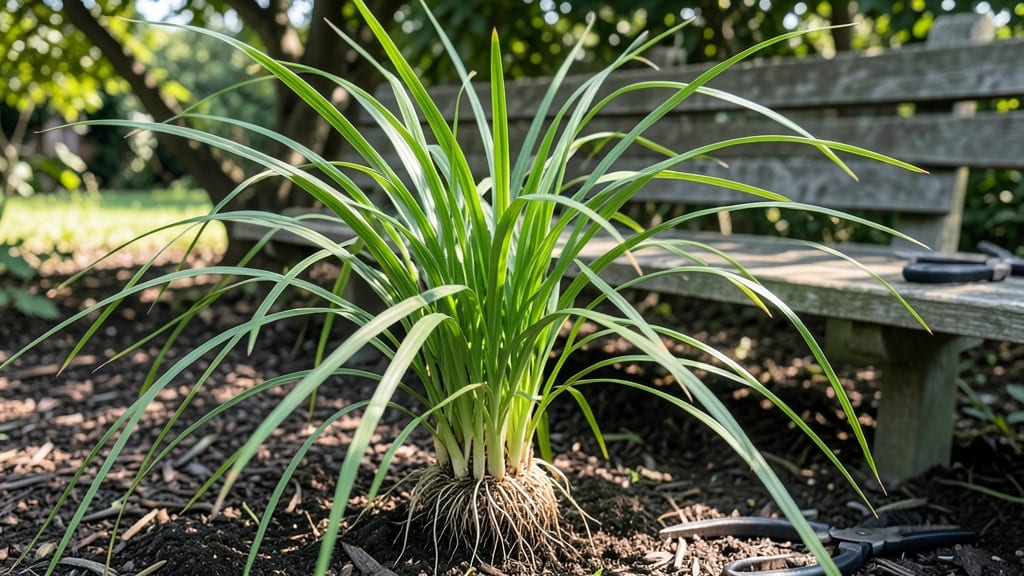
A fast-growing lemon grass plantation can transform your backyard into a fragrant haven in just three months. 🌱 I’ve grown enough to fill mason jars with fresh stalks for cooking, and the secret isn’t complicated—it’s all about sunlight, moisture, and a little patience.
The first harvest is shockingly satisfying, especially when you realize how much cheaper it is than store-bought bundles.
Start with healthy clumps or seeds in well-draining soil mixed with compost, and space them 18-24 inches apart to give their roots room to spread. Water deeply twice a week (more in summer), and watch those blades grow taller than your knees.
The key is keeping the soil consistently moist but not soggy—lemon grass hates waterlogged roots.
By midsummer, you’ll be snipping stalks at the base for recipes or drying bundles to keep the aroma all year. The plants multiply quickly, so you can share clumps with neighbors or expand your patch without buying new starts. Just avoid overcrowding, or the stalks get scraggly and weak.
Works in USDA zones 9-11 but can be grown in pots indoors in cooler climates. If frost threatens, dig up the roots and replant next spring. The fragrance alone makes it worth the effort—imagine walking past a row of lemon grass and smelling sunshine in every breeze.
📚 In This Guide
- What you need
- Instructions
- Tips and common mistakes
- Wrapping up and next steps
What you need
- ● Lemon grass plants (Cymbopogon citratus): 3–5 healthy, disease-free starter plants (purchased from a nursery or propagated from cuttings)
- ○ Optional: Seeds (slower to grow; germination takes 2–4 weeks)
- ● Soil: Well-draining, sandy loam soil (pH 6.0–7.0)
- ● 1–2 bags of organic compost (for nutrient-rich soil)
- ● 1–2 cups of perlite or coarse sand (to improve drainage)
- ● Containers or garden bed: For containers: 5–10 gallon pots (1 per plant) with drainage holes
- ● For in-ground planting: A sunny spot with at least 6 hours of direct sunlight daily
- ● Watering supplies: Watering can or hose with a gentle spray nozzle
- ○ Optional: Drip irrigation system (for larger plantations)
- ● Fertilizer: Balanced 10-10-10 fertilizer (1 tbsp per plant, applied every 4–6 weeks)
- ○ Optional: Slow-release organic fertilizer (e.g., worm castings or fish emulsion)
- ● Pruning tools: Sharp pruning shears or a clean knife (for harvesting and trimming)
- ● Mulch: Straw or wood chips (to retain moisture and suppress weeds)
- ● Pest control: Neem oil or insecticidal soap (for aphids or mites)
- ● Support stakes: Bamboo or wooden stakes (if growing in windy areas)
- ● pH testing kit: To monitor soil acidity and adjust as needed
- ● Harvesting basket or bag: For storing freshly cut lemon grass
Step-by-Step instructions for establishing a lemon grass plantation
Here's the proven method I use to get fragrant, productive lemon grass growing in under 30 days.
🌱 Step 1: Select and Prepare Planting Sites
Choose a location with full sun exposure (6+ hours daily) and well-draining soil—lemon grass hates soggy roots. I always test soil moisture by squeezing a handful: if water beads on the surface, amend with 1 part perlite per 3 parts soil to improve drainage. The ideal spot is slightly elevated to prevent water pooling during heavy rains.
For container growing, use the 5-gallon pots from your kit. Fill each pot with 4 inches of the potting mix, pressing lightly to create a firm base. The roots need stability to anchor the tall stalks, so don't skip this step. Leave 2 inches of space at the top for watering without overflow.
💧 Step 2: Plant and Water Established Stems
Break your lemon grass stems into 6-inch sections, ensuring each piece has at least 2-3 nodes (those little bumps where roots emerge). Plant each section 2 inches deep in the prepared soil, angling slightly for better stability. I like to space them 12 inches apart in ground beds or cluster 3-4 in each 5-gallon pot.
Water immediately after planting until moisture reaches 4 inches deep—this encourages deep root growth. You'll know it's right when water runs freely from the drainage holes. After that, water when the top 2 inches of soil feel dry to the touch. Lemon grass thrives on consistency, so I set a reminder for every 3-4 days during hot weather.
☀️ Step 3: Provide Optimal Light and Protection
Lemon grass needs bright, direct sunlight to develop its signature fragrance and robust growth. If growing indoors, place near a south-facing window or supplement with a grow light for 12-14 hours daily. You'll notice the leaves turn pale and stretch if light is insufficient—this is your cue to move the plant closer.
Protect young plants from strong winds, which can snap the delicate stalks. I often stake the tallest stems with 3-foot bamboo stakes tied loosely with twine. Mulch around the base with 2 inches of straw mulch to retain moisture and regulate soil temperature. This keeps roots cool during summer heatwaves.
✂️ Step 4: Maintain and Harvest for Fast Growth
Begin harvesting when stems reach 3 feet tall, cutting just above the topmost node to encourage new growth. I harvest every 6-8 weeks during the growing season, which keeps plants bushy and productive. Never cut more than 1/3 of the plant at once—this prevents stress and maintains vigor.
Fertilize lightly every 8 weeks with ½ the recommended dose of the balanced liquid fertilizer from your kit. Over-fertilizing leads to weak, floppy growth. Watch for yellowing leaves—they signal either overwatering or nutrient deficiency. Adjust your care accordingly, and you'll have a thriving plantation in no time.
Tips & tricks for perfect lemon grass plantation growth
Fast growth starts with these key insights that'll help you bypass common pitfalls and get fragrant lemon grass thriving in record time.
Soil Preparation Secret: In Step 1, when amending your soil with perlite, I recommend adding ½ cup of compost to each 3 parts of soil mixture. This boosts microbial activity, which helps roots establish faster in those critical first 30 days. The compost also improves moisture retention, reducing how often you need to water during those hot summer days.
Planting Depth Technique: The 2-inch planting depth in Step 2 is perfect, but here's what nobody tells you—angle your stems slightly (about 45 degrees) when planting. This creates more contact with soil and encourages faster root development. For container growing, I like to plant the stems in a slight spiral pattern to maximize space in the 5-gallon pots.
Light Optimization: When supplementing with grow lights in Step 3, position them just 6-8 inches above the plants. Lemon grass needs that intense light for 12-14 hours daily to develop its signature fragrance, but too much distance reduces effectiveness. I use LED grow lights on a timer to automate this—set it and forget it while you're at work.
Harvesting Strategy: Don't wait until stems reach exactly 3 feet before your first harvest in Step 4. I start harvesting at about 2.5 feet when I see the top node beginning to swell—this encourages more frequent regrowth. Just be sure to always leave at least 6 inches of stem above the top node to maintain plant health, and rotate your harvest locations to prevent stress on any single section.
Pro Tips for Lemon Grass Plantation
- Fast growth starts with these key insights that'll help you bypass common pitfalls and get fragrant lemon grass thriving in record time.
- Soil Preparation Secret: In Step 1, when amending your soil with perlite, I recommend adding ½ cup of compost to each 3 parts of soil mixture.
- Planting Depth Technique: The 2-inch planting depth in Step 2 is perfect, but here's what nobody tells you—angle your stems slightly (about 45 degrees) when planting.
Frequently asked questions
Got questions about starting your own lemon grass plantation? You’re not alone! Here are some of the most common queries—plus straightforward answers to help you grow like a pro.
How long does it take for lemon grass to grow from seed?
Patience is key! Lemon grass grown from seed typically takes 6–12 months to mature. For faster results, opt for rhizomes (underground stems)—they sprout in just 2–3 weeks and are the preferred method for home plantations. Pro tip: Plant rhizomes in warm soil (70°F+) for quickest growth.
When is the best time to plant lemon grass outdoors?
Timing matters! Lemon grass thrives in warm climates (USDA Zones 9–11) and should be planted after the last frost when soil temps hit at least 60°F (15°C). In cooler regions, grow it in containers and bring them indoors during winter. Spring or early summer is ideal for outdoor planting.
How much water does lemon grass need daily?
Lemon grass loves moisture but hates soggy roots. Water daily (or every other day in extreme heat) to keep soil consistently damp (not waterlogged). Reduce watering once established (after 3–4 months), but never let it dry out completely. Mulching helps retain moisture—just avoid piling it against the stalk.
Can I grow lemon grass indoors, and what’s the best setup?
Use a 6–8 inch pot with drainage holes, well-draining soil, and place it in bright, indirect light (e.g., near a south-facing window). Keep humidity high (mist leaves or use a pebble tray) and water when the top inch of soil feels dry. A grow light works if natural light is limited.
What pests or diseases should I watch for in my lemon grass plantation?
Common culprits include aphids, spider mites, and fungal issues (like leaf spot) in humid conditions. Prevent pests with neem oil or insecticidal soap. For fungal problems, improve airflow and avoid overhead watering. Yellowing leaves? Check for overwatering or nutrient deficiency—balance is key! Act fast: Isolate affected plants and treat promptly.
How cold can lemon grass tolerate before it dies?
Lemon grass is tender and dies in frost (below 20°F/-7°C). In cooler climates, grow it in containers and move it indoors before temperatures drop. If you miss the cutoff, mulch heavily to protect roots, but expect regrowth in spring. Hardiness hack: Harvest before winter or propagate from cuttings to restart your plantation.
Wrapping up and next steps
Starting a lemon grass plantation is a rewarding journey—whether you’re drawn to its fragrant aroma, culinary versatility, or fast-growing nature. With the right soil, sunlight, and care, you’ll soon enjoy a thriving patch of this tropical gem right in your backyard. 🌱
Ready to dive in? Take the first step today—gather your supplies, choose a sunny spot, and watch your lemon grass flourish! Whether you’re a seasoned gardener or a curious beginner, this fragrant plant is the perfect addition to your green space. Happy planting! 🌿