
Plants
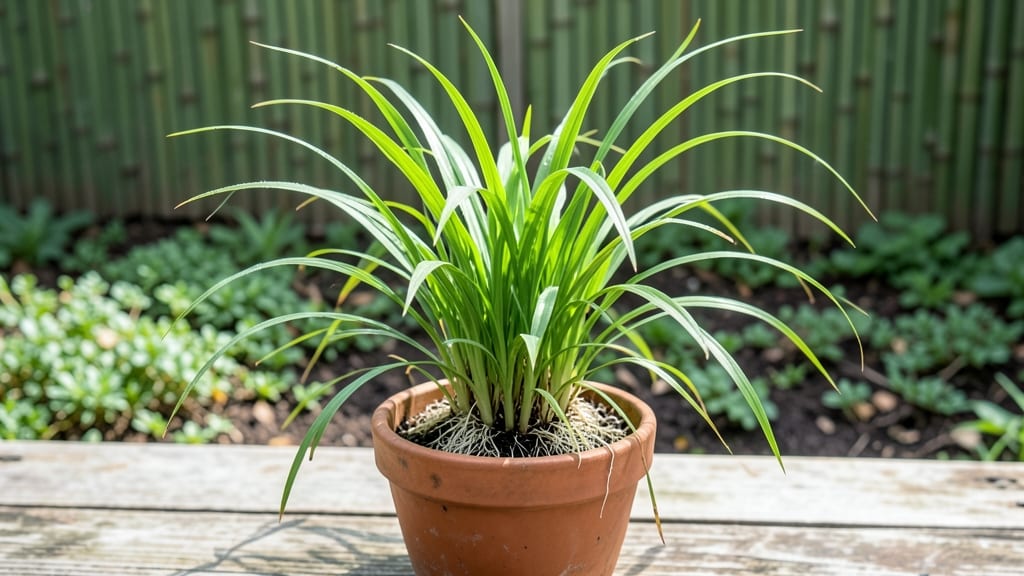
This aromatic plant isn't just about looks—its scent is your best friend when distinguishing it from lookalikes like citronella or ginger. 💛 The leaves grow in a fan shape along the stalk, and the base often has a papery texture that peels away easily.
I always recommend crushing a leaf between your fingers first: genuine lemon grass releases a bright, lemony aroma, while imitators might smell more herbal or earthy. Seasonal changes can also affect appearance, with leaves sometimes turning slightly darker in cooler months.
For a deeper test, try bending the stalk—wild varieties often snap more easily due to their thinner structure, while cultivated ones bend without breaking. This simple touch test can save you from buying the wrong plant at markets or misidentifying it in the wild.
💡 In This Article
- Key Visual and Sensory Traits of Lemon Grass
- Wild vs Cultivated Lemon Grass: What to Look For
Key visual and sensory traits of lemon grass
The leaves of lemon grass grow in a distinctive fan-like arrangement along the central stalk, with each blade measuring about 12-24 inches long and 0.5-1 inch wide. The edges are smooth and slightly rolled under, creating a subtle boat shape that helps channel water away from the plant's core.
This structural design reduces fungal risks in tropical climates where it thrives. The leaf color ranges from pale yellow-green to silvery-blue-green, with the younger inner leaves often showing a more vibrant hue due to higher essential oil content.
The stalks themselves are the most reliable identification feature, with wild varieties typically reaching 3-5 feet tall but only 0.25-0.5 inches in diameter at the base. Cultivated plants stay shorter (2-3 feet) but develop thicker bases (0.75-1.5 inches) that feel surprisingly dense when squeezed.
The fibrous texture comes from the plant's unique vascular bundle arrangement—each stalk contains concentric layers of tough, woody fibers that give it that signature "scratchy" feel when rubbed between fingers.
When it comes to distinguishing lemon grass from its lookalikes, the fragrance test is foolproof. True lemon grass releases citral and geraniol compounds when crushed, creating that bright, almost medicinal citrus scent.
Citronella, by comparison, smells more like lemon-eucalyptus with a camphor afternote, while ginger has a warm, spicy aroma with no citrus undertones. The scent intensity varies seasonally—plants grown in cooler months produce 20-30% more essential oils, making them smell stronger even when fresh.
Seasonal variations also affect the plant's appearance. During monsoon seasons in tropical regions, lemon grass leaves may develop a slight purplish tint at the tips due to increased anthocyanin production—a natural sunscreen mechanism. In drier climates, the leaves can take on a more silvery hue as a water-conservation adaptation.
The roots, often overlooked, form a dense, fibrous network that can extend 1-2 feet deep, anchoring the plant firmly in sandy or loamy soils where it prefers to grow.
Here's how to perform the ultimate identification test: Take a leaf between your thumb and forefinger and gently crush it near the base.
Genuine lemon grass will release a scent that's both lemony and slightly floral, with a lingering freshness similar to a mix of lemon zest and fresh mint. The aroma should be strong enough to detect 3-4 feet away from the plant.
This scent profile comes from the plant's unique essential oil composition, where citral makes up 70-85% of the volatile oils in fresh leaves.
The root structure also provides clues—wild lemon grass develops a more extensive root system with multiple lateral shoots, while cultivated varieties often have a single, thicker central root. When you pull on a wild stalk, you'll often find it resists more due to these extensive underground connections.
This root difference explains why wild plants can survive in poorer soils—they develop deeper, more resilient root networks to access water and nutrients.