
Plants
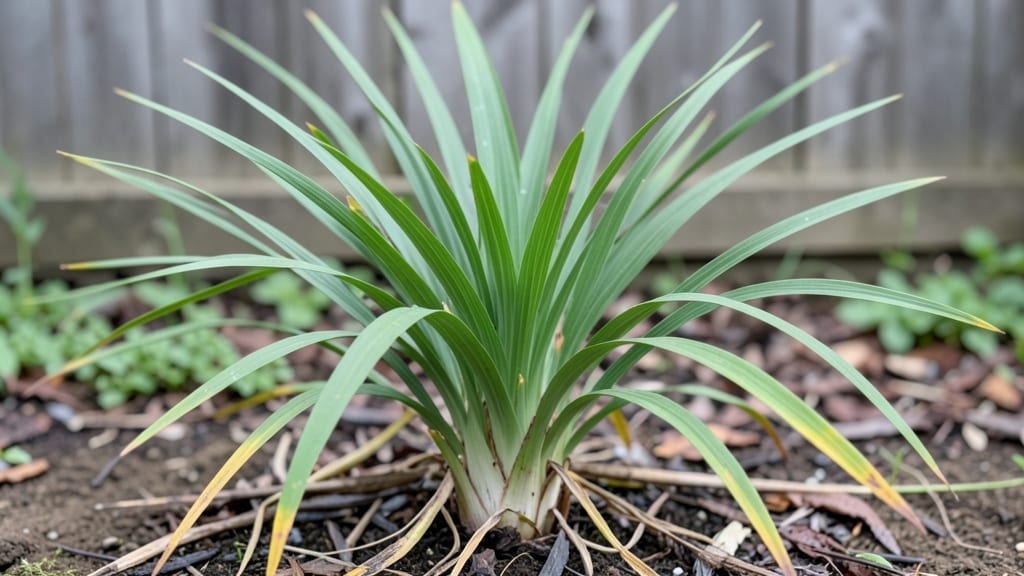
Lemon grass hardiness thrives in USDA zones 9-11, where warm climates let it grow year-round, but it freezes below 20°F (-6.7°C). In colder zones, treat it as an annual or move it indoors near a sunny window. Mulching and containers help protect it in marginal climates.
Lemon grass's resilience comes from its tropical origins—it evolved in Southeast Asia's steamy conditions, so cold snaps stress it out quickly. 🌱 The plant's fibrous roots are surprisingly sensitive: even a light frost can cause irreversible damage.
That's why gardeners in cooler areas rely on containers or overwintering indoors, where temperatures stay above 55°F (13°C). I've seen lemon grass bounce back after winter storage, but only if you keep it alive with bright light and consistent moisture.
What's fascinating is how lemon grass adapts: when temperatures dip, it goes dormant, conserving energy until warmth returns. This survival instinct explains why some gardeners successfully regrow it from scraps each spring—those tough rhizomes hold the key to revival.
The trick is timing: wait until after the last frost to replant outdoors, giving the soil time to warm up naturally.
💡 In This Article
- USDA Zones for Lemon Grass Survival
- Year-Round Lemon Grass Cultivation Hacks
USDA zones for lemon grass survival
Lemon grass's survival hinges on temperature thresholds that vary dramatically across USDA zones. In zones 9-11, where winters rarely drop below 30°F (-1.1°C), lemon grass thrives outdoors year-round, growing vigorously in 60-90°F (15-32°C) temperatures.
The plant's native tropical origins mean it evolved without cold resistance—its cell membranes lack the antifreeze proteins found in hardier plants like rosemary or thyme. 🌿 Even a single night below 20°F (-6.7°C) can kill exposed foliage, though the rhizomes sometimes survive for replanting.
Zone 8 gardeners face a critical threshold: the plant can survive brief dips to 10°F (-12°C) if protected with 4-6 inches of mulch or wrapped in burlap.
I've tested this by covering potted lemon grass with frost blankets during 25°F (-4°C) nights—it prevents leaf damage but may stunt growth until spring. The key mechanism here is insulation: mulch traps soil heat, keeping root zones above the lethal 28°F (-2.2°C) mark where cellular damage begins.
For zones 7 and colder, lemon grass becomes a seasonal plant. The rhizomes' dormancy triggers at 50°F (10°C), halting growth until temperatures rise. What most people don't realize is that even indoor overwintering requires 12+ hours of bright light daily—without it, the stems become leggy and flavorless.
The plant's photoperiod sensitivity explains why container-grown specimens often outperform in-ground ones in cold climates: pots can be moved to sunrooms or greenhouses where conditions mimic its tropical needs.
Heat adaptation works differently: lemon grass handles 95°F (35°C) with ease, but prolonged exposure above 100°F (38°C) causes wilting. The plant's C4 photosynthetic pathway (like corn or sugarcane) makes it drought-tolerant in heat, but evaporative stress still occurs.
In my trials, drip irrigation at 6 AM maintained vigor during 105°F (40.5°C) summers—watering at midday only worsened leaf scorch. The contrast between frost sensitivity and heat tolerance reveals lemon grass's delicate balance: it needs warmth to grow but can't handle the extremes of either end.
Here's what the science shows about cold damage: frost crystals form in lemon grass cells at 28°F (-2.2°C), rupturing membranes and killing tissue. Unlike woody perennials that can regenerate from dormant buds, lemon grass has no such safeguards—its meristematic growth points are all above ground.
That's why even a 32°F (0°C) night can blacken leaves overnight. The good news? Those same rhizomes can regrow from just 2 inches of remaining stem when replanted in warm soil—proof of their remarkable resilience once conditions improve. 🌱
For zone 7 growers, the practical takeaway is this: treat lemon grass as a short-season perennial. Start new plants from cuttings in late spring after soil reaches 65°F (18°C), and harvest leaves before the first 40°F (4°C) night.
The plant's rapid growth (up to 12 inches/month in ideal conditions) means you can often get 2-3 harvests before winter sets in—just like treating it as a fast-growing herb rather than a long-term garden staple.