
Plants
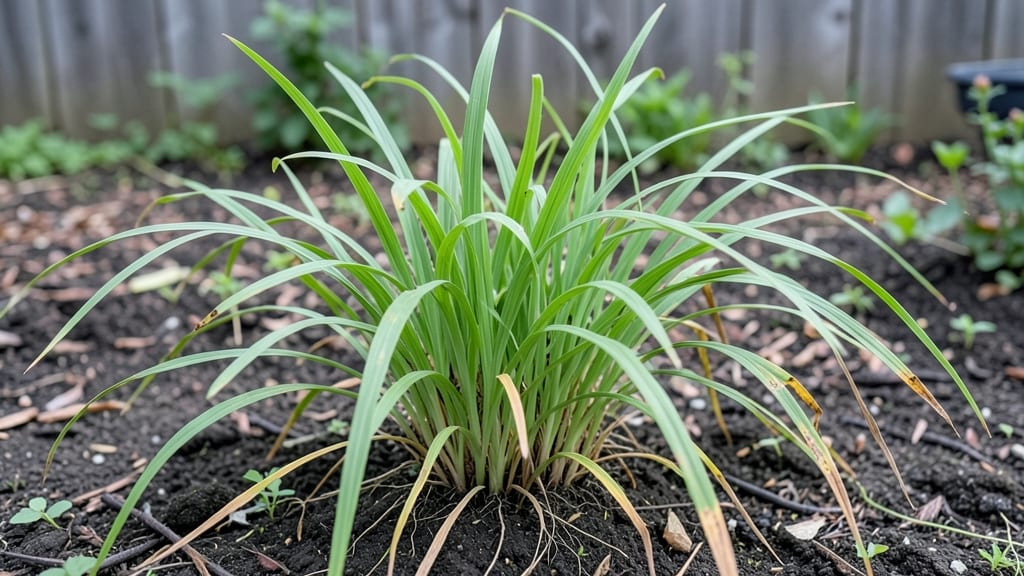
Mastering lemon grass cultivation at home unlocks a treasure trove of zesty, fragrant stalks—no more settling for bottled versions that fade in weeks. 🌿 I’ve grown this tropical herb in pots and garden beds, and the secret isn’t complicated: it’s all about mimicking its natural warm, humid conditions.
Even in cooler climates, a sunny windowsill or greenhouse keeps it thriving.
The real game-changer is starting with cuttings instead of seeds—it’s faster and more reliable. You’ll need well-draining soil, a pot at least 12 inches deep, and a spot where it gets 6+ hours of sunlight daily.
Water when the top inch of soil feels dry, but don’t let it sit soggy—lemon grass hates wet feet. Within 4-6 weeks, you’ll see those signature slender stalks shooting up, ready for harvest.
Harvesting is simple: snip the outer stalks when they’re 12-18 inches tall, leaving the inner ones to keep growing. The more you cut, the bushier it gets—my plants now produce year-round with minimal effort.
The aroma when you crush a fresh stalk? Pure citrus magic that transforms any dish (or homemade remedies).
Here’s the thing—lemon grass is forgiving but finicky about overwatering and cold drafts. Keep it warm, give it space to breathe, and you’ll never need to buy it again. Ready to grow your own fragrant stalks?
📚 In This Guide
- What you need
- Instructions
- Tips and common mistakes
- Wrapping up and next steps
What you need
- ● Lemon grass plants: 3–5 healthy stalks (from a nursery or organic source). Choose Cymbopogon citratus or Cymbopogon flexuosus for best flavor.
- ● Well-draining soil: 5–10 gallons of a mix of: 60% potting soil (or garden soil)
- ● 30% perlite or coarse sand (for drainage)
- ● 10% compost (for nutrients)
- ○ Containers (optional but recommended): 1–2 large pots (12+ inches deep) with drainage holes, or a raised bed (if planting outdoors).
- ● Fertilizer: Balanced organic fertilizer (10-10-10 or 5-5-5) – 1 tbsp per plant every 4–6 weeks.
- ○ Optional: Slow-release pellets or liquid seaweed fertilizer for a nutrient boost.
- ● Garden trowel or shovel – for planting and soil prep.
- ● Pruning shears – to trim dead leaves or harvest stalks cleanly.
- ● Watering can or hose with a gentle nozzle – lemon grass hates soggy roots!
- ○ Mulch (optional): Straw or wood chips (1–2 inches) to retain moisture and suppress weeds.
- ○ pH testing kit (optional): Ideal soil pH: 5.5–7.0 (slightly acidic to neutral).
- ● Warm climate or indoor setup: Lemon grass thrives in USDA Zones 9–11. For cooler climates, grow in containers and bring indoors during winter.
- ● Sunlight: 6+ hours of direct sunlight daily (partial shade in extreme heat).
- ● Watering routine: Keep soil consistently moist but not waterlogged (1–1.5 inches per week).
- ● Patience: Harvestable in 3–4 months, but full flavor develops after 6+ months!
Step-by-Step instructions for growing lemon grass indoors
Here's how to cultivate this fragrant tropical herb year-round with minimal fuss.
🌱 Step 1: Prepare Containers and Soil Mix
Lemon grass thrives in loose, well-draining soil that mimics its native tropical conditions. Fill each of your 4-inch diameter pots with a blend of 2 parts potting mix and 1 part perlite—this prevents waterlogging, which causes root rot. I like to mix in a handful of compost for nutrients, but avoid heavy garden soil.
Tap the pot gently to settle the mix without compacting it. The soil should feel light and airy, like a damp sponge. Press down just enough so the surface is firm but not rock-hard—this helps young roots establish quickly. Leave about ½ inch of space at the top for watering.
💧 Step 2: Plant the Rhizomes Correctly
Lemon grass grows from rhizomes, not seeds. Separate the 4 rhizome pieces (each with at least 3 buds) and place one in each pot. Position the buds ½ inch below the soil surface—this is critical. Planting too deep slows growth, while shallow planting exposes the rhizome to drying out.
Gently firm the soil around the rhizome so it stays upright. Water immediately after planting until moisture seeps from the drainage hole. You'll know it's right when the soil feels evenly damp but not soggy. Place the pots in a warm spot (75-85°F) for the first week—this kickstarts root growth.
☀️ Step 3: Provide Bright, Indirect Light
Lemon grass craves light but burns easily in direct sun. Set your pots near an east-facing window where they get 4-6 hours of morning sun and indirect light the rest of the day. If you notice leaves turning yellow or crispy, move the pot back a few inches—it's getting too much heat.
Rotate the pots a quarter turn weekly so they grow evenly. You'll see new leaves emerge in 3-4 weeks—that's your signal the rhizome is rooting well. If growth stalls, supplement with a grow light for 12 hours daily, keeping it 6 inches above the plants.
🌿 Step 4: Water and Fertilize for Lush Growth
Water when the top inch of soil feels dry—this keeps the rhizome moist but prevents rot. I use room-temperature water to avoid shocking the roots. Lemon grass is drought-tolerant once established, but young plants need consistent moisture. Let excess water drain completely between waterings.
After 6 weeks, switch to a balanced liquid fertilizer (10-10-10) every 4 weeks. Dilute it to half-strength—too much salt burns the roots. You'll notice stronger stems and a more intense citrus scent when you brush the leaves. Prune back any brown or yellow leaves to encourage new growth.
✂️ Step 5: Harvest and Maintain Year-Round
Harvest when the stalks reach 12-18 inches tall—cut just above the bottom 3-4 inches of the stalk. This leaves enough growth to regenerate. Use a sharp knife to avoid crushing the stems. You'll get 3-4 harvests per plant annually if you maintain care.
Every 2 years, divide the rhizomes in spring. Dig up the pot, separate the clumps, and replant the largest pieces. This rejuvenates growth and prevents overcrowding. With proper light and warmth, your lemon grass will keep producing fragrant stalks indoors all year.
Tips & tricks for perfect lemon grass cultivation
A few key insights will help you avoid common pitfalls and maximize your tropical harvest.
Soil Mix Secrets: The 2:1 ratio of potting mix to perlite is non-negotiable for lemon grass—this combination prevents that dreaded waterlogging that causes root rot. I've learned the hard way that adding too much compost can make the soil too dense. For extra insurance, add a handful of orchid bark to improve aeration while maintaining moisture. The soil should crumble easily between your fingers when lightly squeezed.
Rhizome Planting Precision: That ½-inch depth for the buds in Step 2 is critical—any deeper and growth slows dramatically, any shallower and the rhizome dries out. I like to use a pencil to mark the depth before planting. For extra stability, gently press the soil around the rhizome with your fingers rather than patting it down, which can compact the mix too much.
Lighting Strategy: That 4-6 hours of morning sun in Step 3 is your golden window—it's the perfect balance for photosynthesis without scorching. If you notice crispy leaf edges, it's a clear sign you've exceeded this window. For even growth, rotate your pots a quarter turn weekly (as mentioned), but also consider using a small mirror to redirect light to shaded sides of the plant.
Fertilizer Timing: The 6-week mark before starting fertilizer is when roots establish enough to handle nutrients. I've found that switching to organic fish emulsion at half-strength gives even better results than the standard 10-10-10 formula. Always fertilize after watering to prevent salt burn on the roots—this simple habit has saved me from losing plants multiple times.
Pro Tips for Lemon Grass Cultivation
- A few key insights will help you avoid common pitfalls and maximize your tropical harvest.
- Soil Mix Secrets: The 2:1 ratio of potting mix to perlite is non-negotiable for lemon grass—this combination prevents that dreaded waterlogging that causes root rot.
- Rhizome Planting Precision: That ½-inch depth for the buds in Step 2 is critical—any deeper and growth slows dramatically, any shallower and the rhizome dries out.
Frequently asked questions
How long does it take for lemon grass to grow tall enough to harvest?
Lemon grass typically reaches harvestable height (about 12–18 inches) in 3–4 months from planting, depending on climate and care. In warmer regions, you may see faster growth—sometimes ready in as little as 8–10 weeks! For best flavor, wait until the stalks are firm and the leaves are fully unfurled.
Can lemon grass survive frost or cold weather?
Nope! Lemon grass is a tropical plant and dies in frost (below 25°F/-4°C). If you live in a cold climate, grow it in containers and move them indoors during winter. Alternatively, plant it in spring after the last frost and harvest before temperatures drop. Pro tip: Mulch the base to protect roots from light freezes (down to ~30°F/-1°C).
What’s the best way to propagate lemon grass at home?
The easiest method is division: Snip the base of a mature stalk (about 6 inches tall) and replant it in moist soil. Roots will form in 2–4 weeks. You can also separate offsets (small shoots at the plant’s base) and transplant them. For faster results, soak the cut end in water for a day before planting!
Why is my lemon grass turning yellow or dying?
Yellowing or wilting lemon grass usually signals overwatering, root rot, or pests. Check for:
- Mushy stems = Too much water (let soil dry slightly between waterings).
- Holes in leaves = Slugs or snails (use organic slug bait or diatomaceous earth).
- Brown tips = Underwatering or fluoride buildup (rinse roots with distilled water).
If the center turns brown, it’s natural aging—trim it back to encourage new growth!
Can I grow lemon grass indoors without sunlight?
Lemon grass needs bright light (6+ hours daily), but you can grow it indoors near a south-facing window or under grow lights. If natural light is limited, supplement with a LED grow bulb (12–14 hours/day). Choose a pot with drainage and keep humidity high (mist leaves or use a pebble tray). Bonus: Rotate the pot weekly for even growth!
Wrapping up and next steps
Cultivating lemon grass is a rewarding journey that brings fragrant, versatile greens to your kitchen all year round! 🌿 With the right soil, sunlight, and care, you’ll enjoy a thriving plant that’s perfect for cooking, remedies, and even pest control.
Start small, stay patient, and soon you’ll be harvesting fresh lemon grass like a pro.
Ready to take the next step? Plant your first stalk today—your taste buds (and your garden!) will thank you. Need more tips? Check out our companion planting guide to maximize your harvest!