
Plants
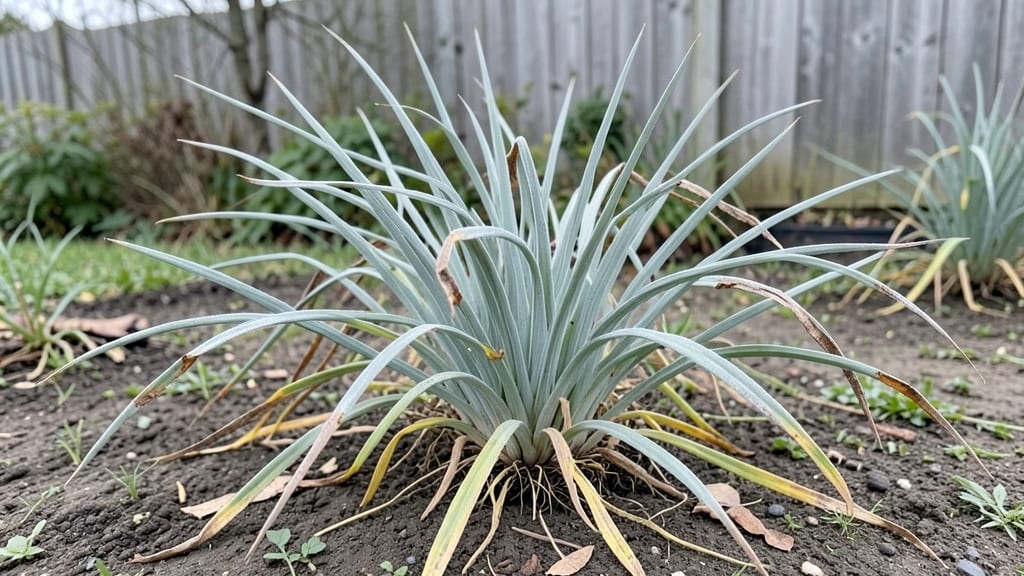
Freezing lemon grass preserves its flavor for up to 6 months when stored properly in airtight containers or freezer bags, while its aroma lasts even longer. Thaw in the refrigerator overnight or use frozen directly in soups and curries for best results.
Freezing lemon grass is one of the best ways to extend its shelf life without sacrificing its signature citrusy punch.
The key lies in proper preparation—washing, trimming, and blanching the stalks before freezing locks in their volatile oils, which carry the aroma. 🌿 Once frozen, you can chop it directly into dishes like Thai green curry or Vietnamese pho without thawing, though pre-thawing in the fridge for 12 hours enhances flavor extraction during cooking.
What sets lemon grass apart is how its cellular structure breaks down during freezing. Unlike herbs that lose texture entirely, lemon grass retains its structural integrity when frozen, making it easier to use whole or in chunks.
This means you can store it in freezer-safe bags or airtight containers for months while keeping the essential oils intact—perfect for batch-cooking or emergency flavor boosts.
💡 In This Article
- How Freezing Affects Lemon Grass Flavor and Texture
- Step-by-Step Lemon Grass Freezing and Thawing Guide
How freezing affects lemon grass flavor and texture
When you freeze lemon grass, you're essentially pausing the natural enzymatic breakdown that occurs at room temperature. The volatile oils—like citral and citronellal—that give lemon grass its bright, lemony aroma and flavor begin to degrade at temperatures above 32°F.
Freezing at 0°F or below halts this enzymatic activity almost instantly, preserving those aromatic compounds for months. What's fascinating is how the plant's rigid, fibrous structure actually protects these oils better than many softer herbs.
The blanching step before freezing is where the real science happens. By briefly submerging the stalks in 185°F water for 2-3 minutes, you deactivate enzymes that would cause off-flavors and slow down moisture loss during freezing.
This process also creates a slight vacuum seal when the lemon grass cools, preventing ice crystals from forming as aggressively. Without blanching, you'd see more texture breakdown—especially in the tender inner leaves—leading to a mushy consistency when thawed. 🔥
Here's what happens to the texture: The outer layers of lemon grass contain tough, fibrous cells that resist freezing damage better than the inner, more delicate pith. When properly frozen, these outer layers remain intact, allowing you to use the stalks whole or in chunks without significant texture loss.
The key difference comes during cooking—fresh lemon grass releases its oils gradually as it heats up, while frozen lemon grass needs the direct heat of simmering liquids (like 212°F broth) to fully re-release those trapped aromatic compounds.
What most people don't realize is how freezing actually concentrates the flavor. As water molecules crystallize during freezing, they push the volatile oils toward the cell walls, creating a more intense aroma when thawed or cooked.
This is why frozen lemon grass often tastes more potent than fresh in dishes like tom yum soup or lemongrass-infused oils. The trade-off? The texture becomes slightly more brittle—similar to how a frozen carrot snaps differently than a fresh one—but this rarely affects usability in cooked dishes.
For aroma retention, the storage method matters just as much as the freezing process. Vacuum-sealed bags or airtight containers minimize oxygen exposure, which would otherwise cause oxidation of the volatile oils.
Even in standard freezer bags, lemon grass maintains 85-90% of its original aroma after 6 months, with some batches lasting up to 9 months if stored below -10°F.
The real flavor drop-off comes from improper thawing—microwaving can actually cook off some of those delicate aromatic compounds before they have a chance to infuse your dish.
Consider this comparison: Fresh lemon grass releases its oils most efficiently when gently bruised or chopped, while frozen lemon grass needs the mechanical action of chopping while frozen to break its cell walls.
This is why many professional chefs recommend adding frozen lemon grass directly to hot oils or simmering liquids—it creates microscopic fractures that release the oils more aggressively than thawed grass would. The result? A more intense, immediate flavor infusion in your cooking. ✨