
Pests
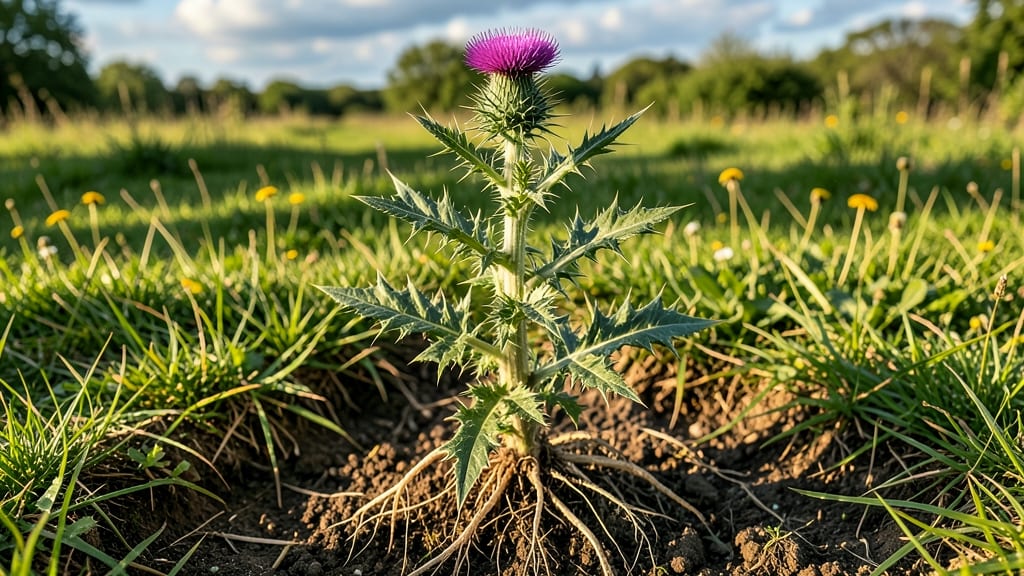
Those painful thorns in your lawn aren't just annoying—they're a battle against stubborn weeds like brambles and bindweed that refuse to quit. 🌱 I've wrestled with these spiky invaders for years, and I've finally cracked the code on removing them without turning your yard into a porcupine patch.
The key is a three-step approach that works whether you're dealing with a small patch or a full-blown infestation. You'll need the right tools (gloves, pruners, and a sturdy shovel), a strategy to avoid spreading seeds, and a few tricks to prevent those weeds from staging a comeback.
No more poking your feet—or your lawnmower—on every pass. By the end, you'll have a smooth lawn again, with no more thorny surprises when you're mowing. The secret is timing your removal right and treating the roots properly, so those weeds don't just come back stronger next season.
This method works for any yard size, from small patches to large lawns. Let's get those thorns out for good!
Hidden Triggers Inviting Thorny Invaders
Thorny weeds like bindweed, stinging nettle, or bristly oxtongue don’t just pop up out of nowhere—they’re sneaky survivors with specific triggers that turn your lawn into their prime real estate.
Understanding these causes is half the battle in keeping them at bay. Let’s dig into the real reasons these spiky pests thrive.
Thorny weeds often flourish in soil that’s either too compacted or nutrient-poor. Here’s why:
- Poor Drainage: Weeds like bindweed love soggy soil because it gives them a competitive edge over grass roots. When water pools after rain or irrigation, it creates anaerobic (low-oxygen) zones where grass struggles but weeds thrive. Pro Tip: Test your soil’s drainage—if water sits for more than 6 hours, amend with sand or compost to improve aeration.
- Low Organic Matter: Thorny weeds often outcompete grass in thin, sandy, or clay-heavy soils. Grass needs 3-5% organic matter to stay healthy, while weeds adapt to harsher conditions. Solution: Spread a ½-inch layer of compost or use a slow-release fertilizer to boost soil health.
- High pH (Alkaline Soil): Many thorny weeds prefer pH levels above 7.0, which locks out essential nutrients like iron and manganese. Grass, however, thrives in slightly acidic soil (6.0–7.0 pH). Fix It: Apply sulfur or peat moss to lower pH gradually over 2–3 months.
Thorny weeds are opportunistic—they seize any opening where grass can’t grow. Here’s how light plays into their success:
- Thin or Patchy Grass: Weeds like bristly oxtongue and horsenettle take root where grass is weak. If your lawn has bare spots, thin patches, or shaded areas, these weeds move in fast. Action Step: Overseed bare areas with shade-tolerant grass varieties like fine fescue or creeping red fescue.
- Excessive Shade: Many thorny weeds thrive in low-light conditions where grass struggles. Trees, fences, or buildings can create these shade pockets. Workaround: Thin out overgrown branches or plant sun-loving ground covers (like clover) to outcompete weeds.
- Sudden Sun Exposure: If you’ve recently removed trees or shrubs, the increased sunlight can shock grass roots while encouraging weed seeds already in the soil to germinate. Prevent It: Apply a pre-emergent herbicide in early spring before weed seeds activate.
Even the best-intentioned lawn care can accidentally invite thorny weeds. Here’s how:
| Mistake | Why It Helps Weeds | How to Fix It |
|---|---|---|
| Over-Fertilizing | Excess nitrogen promotes fast weed growth while weakening grass roots, making them vulnerable to thorny invaders. | Switch to a slow-release, balanced fertilizer (e.g., 16-4-8) and apply in small, frequent doses. |
| Skipping Mowing | Tall grass blocks sunlight, but it also creates a microclimate where weed seeds germinate and thrive. | Mow regularly at 3–4 inches tall to crowd out weeds and maintain a healthy turf. |
| Improper Watering | Deep, infrequent watering encourages deep-rooted weeds like bindweed, while light, frequent watering promotes shallow-rooted, fast-growing weeds. | Water deeply 1–2 times per week (1–1.5 inches per session) and avoid daily light sprinkles. |
| Using Herbicides Incorrectly | Broadcast spraying can kill grass but leave weed seeds untouched, creating a perfect vacuum for thorny weeds. | Use selective herbicides (like 2,4-D) only on weeds and follow up with overseeding. |
Some thorny weeds are accidental hitchhikers brought in by nature or human activity:
- Wind-Dispersed Seeds: Weeds like stinging nettle and bristly oxeye release lightweight seeds that travel on breezes, landing in cracks or thin spots in your lawn. Block Them: Install a windbreak (like shrubs or a fence) near problem areas.
- Animal and Bird Activity: Birds and small mammals dig up seeds from nearby wild areas and deposit them in your lawn via droppings. Deter Them: Keep bird feeders away from your lawn and remove leaf litter or mulch where seeds hide.
- Contaminated Soil or Mulch: If you’ve recently added topsoil, compost, or mulch from unknown sources, it might contain dormant weed seeds. Screen It: Always sift new soil before spreading it on your lawn.
💡 Pro Tip: The key to stopping thorny weeds is prevention. Regularly inspect your lawn for early signs (tiny leaves, strange textures), and address soil or care issues before weeds take hold. Once they’re established, removal becomes a much tougher battle!
Eliminate Thorny Weeds Effectively
Thorny weeds can turn your lawn into a prickly nightmare, but the good news is that with the right approach, you can reclaim your yard without turning it into a battleground.
Below, we’ve mapped out practical, step-by-step solutions tailored to the most common causes of thorny weed infestations—plus prevention tips to keep them from creeping back.
When grass is weak or sparse, thorny weeds like multiflora rose, blackberry, or wild rose seize the opportunity to spread. A thick, healthy lawn is their natural enemy.
How to Fix It:
- 🔥 Mow High and Often
- Set your mower to 3–4 inches to shade out weeds and strengthen grass roots.
- Mow weekly during growing season to prevent seeds from taking hold.
- 🍳 Apply Pre-Emergent Herbicide (Early Spring)
- Use a corn gluten meal or pre-emergent herbicide (like pendimethalin) to block weed seeds before they sprout.
- Pro Tip: Water lightly after application to activate it. ⏳
- 👨🍳 Overseed Bare Spots
- Fill thin areas with fast-growing grass seed (like ryegrass or fescue) to outcompete weeds.
- Use a starter fertilizer to help roots establish quickly.
- 🔪 Manual Removal (For Established Patches)
- Dig deep (at least 6 inches) to remove roots—thorny weeds regrow if left behind.
- Wear gloves and long sleeves—those thorns don’t joke!
- Pro Tip: Use a hula hoe to cut weeds at the base without bending over. ✨
Prevention:
- Aerate your lawn annually to improve soil health and grass density.
- Water deeply but infrequently (1–1.5 inches per week) to encourage deep roots.
Compacted, nutrient-poor, or acidic soil makes it easy for thorny weeds to thrive while grass struggles.
How to Fix It:
- 📊 Test Your Soil
- Use a DIY soil test kit or send a sample to a local extension office.
- Aim for a pH of 6.0–7.0—most thorny weeds hate slightly acidic to neutral soil.
- 💪 Improve Soil Health
- Add compost (2–3 inches) and till it into the top 4 inches of soil.
- Top-dress with lime if your soil is too acidic (follow test recommendations).
- For clay soil, mix in sand or perlite to improve drainage.
- 🥗 Choose the Right Grass
- Some grasses (like tall fescue or buffalo grass) naturally resist weeds better than others.
- If you’re reseeding, pick a drought-tolerant variety to outlast weeds.
Prevention:
- Apply a slow-release fertilizer in early spring and fall to keep grass lush.
- Avoid over-fertilizing—weeds love excess nitrogen!
Some thorny weeds (like brambles or Russian thistle) develop resistance to common herbicides, while others need targeted treatments.
How to Fix It:
- 🔥 Use the Right Herbicide
- Glyphosate (Roundup) works on established weeds but kills grass too—use it only on bare soil or mulched areas.
- For selective control, try 2,4-D or triclopyr (for broadleaf thorny weeds).
- Pro Tip: Spray on a warm, windless day for best absorption. 🌡️
- 🔪 Cut and Paint (For Stubborn Patches)
- Trim weeds back to 6 inches tall.
- Paint a glyphosate-based herbicide directly on the stems (avoid leaves to prevent drift).
- Repeat every 2–3 weeks until dead.
- 🌱 Smother Weeds Naturally
- Cover the area with cardboard or thick mulch for 4–6 weeks to block sunlight.
- Once weeds die, plant ground cover (like clover or creeping thyme) to prevent regrowth.
Prevention:
- Rotate herbicides yearly to prevent resistance.
- Hand-pull small weeds before they seed.
Construction, foot traffic, or pet damage create gaps where thorny weeds move in.
How to Fix It:
- 🔥 Repair Damaged Areas Immediately
- Fill holes or ruts with topsoil and sand, then reseed.
- Use a lawn patch mix for quick recovery.
- 👨🍳 Reduce Foot Traffic
- Designate a walkway (gravel, mulch, or stepping stones) to protect grass.
- Train pets to avoid high-traffic areas.
- 🌱 Plant a Weed-Resistant Ground Cover
- Clover, moss, or sedum can fill gaps without encouraging thorns.
- For shady spots, try periwinkle or ajuga.
Prevention:
- Aerate compacted areas to improve root growth.
- Limit heavy equipment use to prevent soil disturbance.
Final Thought: Thorny weeds don’t stand a chance against a healthy, well-maintained lawn. Start with one or two of these methods, stay consistent, and watch your yard transform into a prickly-free paradise! 🌿✨
Frequently asked questions
Why do thorny weeds keep coming back even after removal?
Many thorny weeds like bindweed and brambles have deep, sprawling root systems that fragment easily. When you pull them, tiny root pieces can regrow into new plants. Always dig at least 6 inches deep and wear gloves—those roots hide stubbornly! For persistent weeds, smother them with thick mulch or use targeted herbicides like glyphosate on cut stems.
What's the safest way to remove thorny weeds without harming my lawn?
For spot treatment, use a hula hoe to cut weeds at the base without disturbing grass roots. For chemical control, apply selective herbicides (like 2,4-D) only to the weeds, avoiding grass. Always wear protective gear—thorns plus chemicals equal a bad combo! For large areas, try vinegar-based sprays (3 parts vinegar, 1 part dish soap) for organic removal.
Can I use household vinegar to kill thorny weeds?
Yes! Mix 1 gallon of white vinegar with 1 cup dish soap and spray directly on the leaves (avoid grass). The acetic acid breaks down cell walls, killing weeds in 24-48 hours. Reapply every 3-5 days for stubborn varieties. Best for small patches—it won't penetrate deep roots like chemical herbicides. Test a small area first to check for grass damage.
How do I prevent thorny weeds from spreading to other parts of my yard?
Always remove weeds before they flower—that's when they release seeds. Bag and dispose of weeds immediately (don't compost them!). After removal, apply corn gluten meal as a natural pre-emergent. For aggressive spreaders like bindweed, create a 2-foot barrier of mulch or landscape fabric around treated areas to block wandering roots.
What's the best time of year to tackle thorny weeds?
Early spring (before weeds flower) or late summer/early fall (when growth slows) are ideal. In spring, weeds are young and vulnerable, while fall treatments prevent next year's growth. Avoid treating in extreme heat—it stresses plants and reduces herbicide effectiveness. For perennial weeds, apply herbicides when they're actively growing but before seed production.