
Lawn
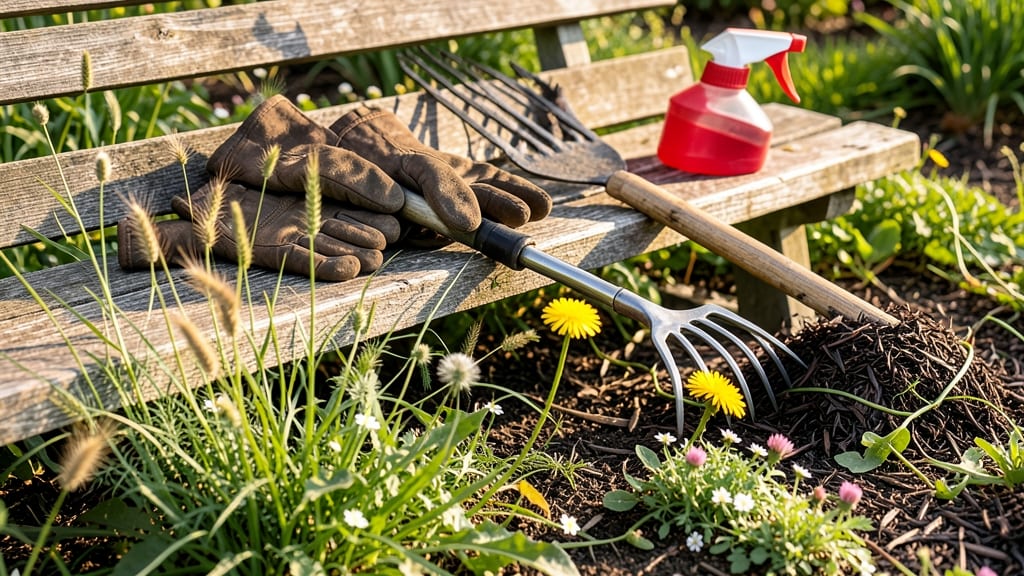
California lawn weeds like crabgrass and nutsedge turn your green space into a battleground—unless you strike fast. 🌱 I’ve battled these stubborn invaders for years, and I’ve learned the 48-hour window between spotting weeds and eradicating them organically is everything. The key?
Targeting the right weeds with the right methods before they spread. Most organic solutions fail because they treat all weeds the same. Crabgrass needs smothering, nutsedge demands root disruption, and clover thrives where grass struggles.
I’ll show you how to identify each type and attack them with vinegar, corn gluten, or manual removal—without harming your lawn. The secret? Timing. Coastal areas can tackle weeds year-round, but inland zones must act before summer heat takes hold.
By the end of two days, you’ll see weeds wilting and your lawn reclaiming space. The results aren’t just about looks—they’re about healthier grass that crowds out future invaders. No more patchy, weed-filled lawns ruining your outdoor time.
This works for all California climates, from drought-prone inland valleys to foggy coastal backyards. Let’s get your lawn back—naturally and fast.
Root Causes Of Weed Invasion
California’s golden lawns can become battlegrounds for weeds in record time—thanks to a mix of environmental, seasonal, and human factors. Understanding these triggers is the first step to reclaiming your yard without harsh chemicals. Let’s break down the science behind why weeds thrive in California lawns.
California’s Mediterranean climate—mild, wet winters and hot, dry summers—creates an ideal breeding ground for weeds. Here’s why:
- Winter Rains Activate Dormant Seeds 💧 California’s winter rains trigger germination of weed seeds buried in the soil for years. Many weeds, like annual bluegrass and chickweed, lie dormant until moisture signals them to sprout.
In fact, a single rainstorm can activate thousands of seeds per square foot in some lawns.
- Soil Composition Favors Weeds Over Grass 🌍 Compacted or nutrient-poor soil (common in urban California lawns) struggles to support thick, healthy grass.
Weeds like crabgrass and clover exploit this by: - Growing deeper roots (up to 20 inches) to access water and nutrients grass can’t reach. - Thriving in low-mow conditions—many weeds grow aggressively when grass is weak or sparse.
- Summer Drought Stress Weakens Grass 🔥 When grass wilts under California’s summer sun, it stops competing with weeds.
Weeds like nutsedges and dandelions take over by: - Photosynthesizing faster in heat (some weeds grow 2-3x faster than grass in 90°F+ temps). - Surviving drought via deep root systems while grass turns brown.
Even the best-intentioned lawn care can accidentally invite weeds. Here’s how:
- Skipping Mowing Or Cutting Too Short ⚠️
- Too tall? Weeds like foxtails and bindweed use the extra height to store energy for rapid growth.
- Too short? Scalping grass (cutting below 2 inches) stresses roots, leaving gaps for weeds to invade. Side note: Most California grasses (like tall fescue or bermuda) need 2.5–4 inches of height to outcompete weeds.
- Overwatering Or Irrigation Inefficiencies 💦
- Frequent light watering keeps soil surface-moist, perfect for broadleaf weeds (e.g., henbit, plantain).
- Poor drainage (common in clay-heavy California soils) leads to waterlogged spots, where weeds like mallow and purslane dominate.
- Lack Of Overseeding Or Repair 🔄 Thin grass patches act like weed magnets. If you don’t overseed bare spots in fall (California’s prime season), weeds like annual ryegrass will fill the gaps 10x faster than grass seeds.
Past lawn care mistakes—especially chemical use—can permanently alter soil health, making weeds resilient.
- Overuse Of Synthetic Fertilizers 🚫💊
- Too much nitrogen (common in fast-release fertilizers) burns roots, weakening grass and giving weeds like crabgrass a foothold.
- Imbalanced NPK ratios (e.g., high phosphorus) can stimulate weeds more than grass.
- Herbicide Resistance & Misapplication 🛡️ - Pre-emergent herbicides (like pendimethalin) can fail if not applied at the right time (early spring for crabgrass).
Miss the window, and weeds sprout unchecked. - Post-emergent herbicides (e.g., 2,4-D) often miss deep-rooted weeds like bindweed or nutsedges, leading to resistant strains.
- Soil pH Imbalances 📉📈
- California soils often skew alkaline (pH 7.5–8.5), which:
- Locks out iron & manganese, starving grass of nutrients.
- Boosts weeds like clover, which thrive in alkaline conditions (pH 6.0–8.0).
- California soils often skew alkaline (pH 7.5–8.5), which:
Your lawn isn’t just grass—it’s a mini ecosystem. When the balance tips, weeds win.
- Fungal & Bacterial Imbalances 🍄
- Overwatering or thatch buildup creates anaerobic conditions, where pathogens (like fusarium) weaken grass roots.
- Weeds like dandelions secret natural fungicides to outcompete grass.
- Loss Of Beneficial Microbes 🦠
- Healthy soil teems with mycorrhizal fungi and nitrogen-fixing bacteria that help grass thrive.
- Chemical treatments (even organic ones) can disrupt this microbiome, leaving weeds like chickweed to dominate.
- Invasive Species Outcompeting Native Grass 🌎
- Weeds like yellow starthistle (a California nightmare) release allelopathic chemicals that suppress grass growth.
- Non-native grasses (e.g., bermuda) often crowd out slower-growing California natives like fescue.
Even how you design your lawn can accelerate weed growth.
- Shady Or Compacted Areas 🌳
- Tree shade (common in California backyards) creates cool, moist microclimates where moss and broadleaf weeds thrive.
- Foot traffic & pets compact soil, reducing oxygen and smothering grass roots.
- Improper Edging & Mulch Use 🪴
- Wood mulch (if piled too close to lawns) can suffocate grass edges, letting weeds like creeping charlie creep in.
- Rock borders can trap moisture, creating weed hotspots (e.g., ground ivy).
- Wildlife & Seed Spread 🐦
- Birds, squirrels, and wind spread weed seeds miles—California’s cheatgrass and medusahead are notorious hitchhikers.
- Compost & manure (even organic) can contain dormant weed seeds if not solarized or heated first.
Weeds don’t just appear—they exploit weaknesses in your lawn’s ecosystem. The good news? Fixing one or two of these issues (like deep watering less often or aerating compacted soil) can dramatically reduce weed pressure in weeks.
Stay tuned for our 48-hour organic eradication plan to turn the tide!
Quick-Fix Weed Removal Guide
California’s sunny climate and diverse soil types make it a playground for weeds—but you don’t have to play defense forever. With the right tools and techniques, you can banish weeds in 48 hours (or at least drastically reduce their reign) using organic, eco-friendly methods.
Below, we’ve mapped the most common weed causes to practical, fast-acting fixes—plus prevention tips to keep your lawn lush and weed-free long-term.
Cause: Poor soil health, overwatering, or compacted lawns create the perfect breeding ground for broadleaf invaders. Fix It Fast: 🔥 Pull by Hand (Best for Small Patches)
- Wait for rainy or damp days—soil will loosen, making weeds easier to yank.
- Grab weeds at the base (use gloves!) and twist to remove roots. For stubborn types like dandelions, a dandelion digger (a tool with a forked end) works wonders.
- Pro Tip: 💡 Pull weeds before they seed (usually in early spring or fall) to stop the cycle.
🍳 Vinegar Spray (Organic Burn Solution)
- Mix 1 gallon of white vinegar (5% acetic acid) + 1 oz. liquid dish soap + 1 cup salt in a spray bottle.
- Spray directly on weeds (avoid desirable plants—vinegar kills everything it touches).
- Best for: Driveways, sidewalks, or areas where you’re prepping for reseeding.
- ⚠️ Warning: Apply on sunny days (vinegar works best with UV exposure).
👨🍳 Corn Gluten Meal (Preventative Barrier)
- Sprinkle 20 lbs. per 1,000 sq. ft. on your lawn before weeds sprout (early spring or fall).
- Water lightly to activate. This natural pre-emergent stops weed seeds from germinating.
- Bonus: Adds nitrogen to your soil—double win!
Cause: Thin grass, bare spots, or heavy foot traffic let these weeds sneak in. Fix It Fast: 🔪 Slay with a String Trimmer (For Tough Stems)
- Use a weed-eating attachment on your trimmer to sever roots at the base.
- Best for: Crabgrass and foxtails in driveways or along fences.
- Pro Tip: 🌡️ Do this on a warm, sunny day—weeds will be juicier and easier to cut.
🥘 Boiling Water Treatment (Spot Treatment)
- Pour boiling water directly on weeds (works best for nutsedges and small patches).
- Why it works: The heat instantly kills cells, and it’s 100% organic.
- Caution: Test on a small area first—some lawns may scorch.
🎯 Reseed Bare Spots (Long-Term Fix)
- Kill existing weeds with vinegar or boiling water, then rake the area to loosen soil.
- Sprinkle grass seed + compost and water daily for 7–10 days until new grass sprouts.
- Best grass types for CA: Tall fescue (shade-tolerant) or Bermuda grass (drought-resistant).
Cause: Poor drainage, high humidity, or shaded lawns invite moss and algae. Fix It Fast: ⏰ Improve Drainage First
- Aerate your lawn (rent a core aerator) to let water drain properly.
- Add sand or compost to heavy clay soil to improve airflow.
💪 Iron Supplement Spray (Green-Up Lawn Fast)
- Use an organic iron chelate spray (like Ironite) to strengthen grass and outcompete moss.
- How to apply: Spray on a dry, sunny day—avoid watering for 24 hours.
- Grass turns vibrant green, shading out moss in 1–2 weeks.
🌿 Sunlight Boost (Prevent Recurrence)
- Trim overhanging branches or thin out dense shrubs to let more sunlight reach the lawn.
- Pro Tip: ✨ If moss keeps coming back, your lawn may need topdressing with sand and compost to improve structure.
- Mow High – Keep grass at 3–4 inches to block sunlight from weed seeds. 🌱
- Water Deeply, Less Often – 1–1.5 inches per week encourages deep roots that crowd out weeds. 💧
- Feed Your Lawn – Apply organic fertilizer (like compost or fish emulsion) 2–3 times a year for strong, competitive grass. 🌾
- Mulch Grass Clippings – Let them decompose naturally—they act as a free weed-blocking layer! ♻️
- Inspect & Act Fast – Pull weeds within 24 hours of spotting them before they spread.
Final Thought: Weeds in California lawns are manageable—not inevitable. By combining fast-acting fixes with proactive care, you’ll have a thick, green lawn that weeds can’t penetrate. Start with the most troublesome areas, then build a prevention routine to keep your yard looking sharp all year. 🚀
Frequently asked questions
What are the most common weeds in California lawns?
California lawns commonly battle crabgrass, nutsedge, clover, dandelions, and broadleaf weeds like plantain. These thrive in California's Mediterranean climate, especially after winter rains activate dormant seeds. Coastal areas often see more moss and ground ivy due to higher humidity.
How do I know if my lawn has a weed problem?
You likely have a weed problem if you see more than 10% weeds in your lawn or if they're spreading rapidly. Look for bare patches, unusual leaf shapes, or yellowing grass—these are signs weeds are outcompeting your turf. A quick test: Pull up a small weed—if it has a deep taproot (like dandelions) or spreads horizontally (like nutsedge), it's aggressive.
Can I use vinegar to kill weeds in my lawn?
Yes, but with caution! A mix of 1 gallon white vinegar (5% acid) + 1 oz dish soap + 1 cup salt works best on non-lawn areas like driveways or sidewalks. For lawns, use it spot-treat only—vinegar kills everything it touches, including grass. Apply on sunny days for best results, and avoid watering for 24 hours afterward.
What's the best time of year to treat weeds in California?
For most California regions, early spring (March-April) and fall (September-October) are ideal. Coastal areas can treat year-round, while inland zones should avoid summer heat. Pre-emergent treatments (like corn gluten) work best in late winter before weeds sprout. Post-emergent methods are effective anytime weeds are actively growing.
Will overseeding my lawn prevent weeds?
Overseeding with dense, competitive grasses (like tall fescue or Bermuda) crowds out weeds by 80-90%. Aim for 1-2 lbs of seed per 100 sq ft in fall when temperatures are mild. Combine with compost topdressing to improve soil health. The key is maintaining 3-4 inches of grass height to block sunlight from weed seeds.