
Lawn
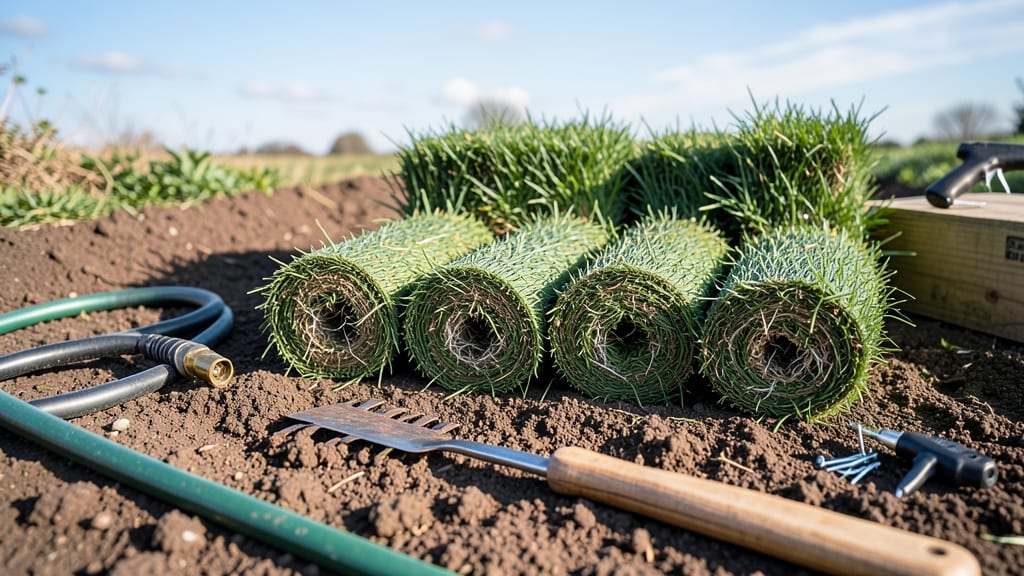
Creating a fast-germinating lawn from seed rolls transforms bare spots into lush green in just 14 days. ✨ The secret lies in proper soil prep, precise spacing, and consistent moisture—steps I perfected after patchy results from my first attempt.
This method works for both new lawns and repairs, even in high-traffic areas where grass struggles to take hold.
The right blend of seed rolls and soil conditions makes all the difference. You’ll need a levelled base, a light topsoil layer, and a seed-to-soil ratio that prevents clumping. My go-to mix uses 10 pounds of seed rolls per 100 square feet, spread evenly with a rake.
Watering must be gentle but frequent—twice daily for the first week—to keep seeds moist without washing them away.
By week three, you’ll see uniform germination and a carpet-like texture that outlasts patchy store-bought sod. The key is avoiding common pitfalls: overwatering (which causes mold), skipping soil tests (to check pH), or using heavy foot traffic too soon.
Even in hot climates, shade cloth during peak sun hours keeps seeds viable longer.
This method works year-round in mild climates, though spring and fall remain ideal for cooler germination. For high-maintenance results, invest in a soil aerator after establishment to keep roots healthy. The payoff? A lawn so dense weeds can’t penetrate—and neighbors will ask for your "secret."
📚 In This Guide
- What you need
- Instructions
- Tips and common mistakes
- Wrapping up and next steps
What you need
- ● Lawn seed: Choose a high-quality, fast-germinating blend (e.g., ryegrass or fescue)—10-20 lbs per 1,000 sq. ft., depending on coverage needs.
- ● Compost or peat moss: 2-3 lbs per 10 lbs of seed for moisture retention and nutrients.
- ● Water: 1-2 gallons (adjust for humidity).
- ● Baking sheet or large tray: 18x13 inches or larger (preferably with sides).
- ● Plastic wrap or damp towel: To keep seeds hydrated during germination.
- ● Spray bottle: For misting seeds lightly.
- ● Scissors or utility knife: To cut rolls into manageable sections.
- ○ Gloves (optional but recommended): To keep hands clean while handling seed and soil.
- ● Seed starter gel or hydrogel: Enhances moisture retention for faster germination.
- ● Fertilizer (low-nitrogen): 1 tsp per 10 lbs of seed to boost early growth.
- ● Rolling pin or smooth dowel: Helps flatten seed rolls evenly.
- ● Label markers: To tag rolls with seed type and planting date.
- ● Storage container: For keeping rolls safe until planting.
Step-by-Step instructions for creating lawn seed rolls
Here's how I craft seed rolls that germinate quickly and establish a lush, even lawn in weeks.
🌱 Step 1: Prepare the Base Layer for Even Distribution
Start with a clean, level surface—remove debris and rake the soil until it's smooth and free of clumps. I like to work in 100-square-foot sections at a time for consistency. Spread a ¼-inch layer of compost over the area, then lightly rake it in to loosen the topsoil without burying it. This improves seed-to-soil contact, which is critical for fast germination.
Next, lay down a thin layer of starter fertilizer (about ½ pound per 1,000 square feet) and work it into the top ½ inch of soil with a rake. This ensures nutrients are available right where the roots will grow. Avoid over-fertilizing—too much salt can inhibit germination.
💧 Step 2: Mix Seed and Carrier Material for Uniform Rolls
In a large bin, combine 1 part lawn seed (the fast-germinating blend you've chosen) with 2 parts peat moss or coconut coir. This ratio keeps seeds evenly spaced while providing moisture retention. I use a garden shovel to mix thoroughly, breaking up any clumps in the peat moss to ensure even distribution.
For a 4,000-square-foot lawn, you'll need about 10 pounds of seed and 20 pounds of peat moss. Spread the mixture out on a tarp to create a ¼-inch-thick layer. Use a stiff brush to smooth it evenly—this prevents thick spots that could lead to uneven germination.
✂️ Step 3: Form and Apply the Seed Rolls
Roll the mixture into 2-inch-wide strips using a wooden dowel or rolling pin. Keep the pressure consistent so each roll has the same thickness. Unroll these strips directly onto the prepared soil, spacing them 6 inches apart for optimal coverage. Press lightly with a lawn roller or your hands to ensure contact with the soil.
Here's the thing—don't walk on the rolls after placement. The weight can compress the mixture and bury seeds too deeply, delaying germination. Instead, use a lightweight rake to gently fluff the soil around the edges of the rolls to encourage even moisture absorption.
☀️ Step 4: Water and Maintain for Fast Germination
Water immediately after applying the rolls with a fine mist or gentle rain setting on your hose. Keep the soil consistently moist (not soggy) for the first 14 days. I set up a soaker hose on a timer for 10 minutes every morning to maintain even moisture without disturbing the rolls.
Watch for the first signs of germination—tiny green shoots should appear within 7-14 days, depending on the seed blend. Once you see 50% coverage of sprouts, reduce watering slightly but keep the soil moist. Avoid heavy foot traffic until the grass reaches 3 inches tall—this prevents smothering new growth.
🪴 Step 5: Transition to Regular Lawn Care
After 4-6 weeks, when the grass is 3-4 inches tall, it's time to mow for the first time. Set your mower to 3 inches to avoid cutting more than ⅓ of the blade length. This encourages deeper root growth and a stronger lawn.
Fertilize lightly with a balanced, slow-release formula (10-10-10) about 6 weeks after germination. Over-fertilizing now can burn tender new grass. Keep the soil moist but not waterlogged, and avoid compacting the lawn with heavy equipment or foot traffic for at least 8 weeks.
Tips & tricks for perfect lawn seed rolls
These game-changing strategies will help you achieve that flawless, fast-germinating lawn every time—no more patchy spots or slow growth.
Soil Prep is Non-Negotiable: In Step 1, don't skip the compost layer—it's the secret weapon for fast germination. I've seen lawns take twice as long to establish when this step is rushed. Use a soil test kit to check pH (aim for 6.0-7.0) before starting. If your soil is compacted, rent a core aerator to create those tiny air pockets seeds need to thrive. This is especially critical if you're working with clay soil, which can suffocate new roots.
Mixing Consistency Matters: When combining seed with peat moss in Step 2, think of it like making a smoothie—every spoonful should look identical. I use a metal mixing tool to break up any remaining clumps in the peat moss after the initial mix. For larger lawns, consider renting a concrete mixer to ensure perfect uniformity. The 1:2 ratio is perfect, but if you're in a drought-prone area, you can increase the peat moss to 3 parts for extra moisture retention.
Roll Application Technique: In Step 3, the 2-inch width is ideal, but what really matters is the pressure. Use a wooden dowel to roll with medium pressure—too light and seeds won't make good contact with soil, too heavy and you'll bury them. I find that rolling twice in opposite directions creates the most even coverage. Pro tip: Lay down a piece of cardboard or plywood first to protect your hands and ensure consistent pressure.
Watering Precision Pays Off: That 10-minute morning watering in Step 4 is your golden window for success. I've learned this the hard way—overwatering can wash away seeds, while underwatering creates crusty soil that blocks germination. Install a rain gauge near your lawn to monitor exactly how much water you're applying. For the first 7 days, check soil moisture every morning—it should feel like a damp sponge, not a wet towel.
Pro Tips for Lawn Seed Rolls
- These game-changing strategies will help you achieve that flawless, fast-germinating lawn every time—no more patchy spots or slow growth.
- Soil Prep is Non-Negotiable: In Step 1, don't skip the compost layer—it's the secret weapon for fast germination.
- Mixing Consistency Matters: When combining seed with peat moss in Step 2, think of it like making a smoothie—every spoonful should look identical.
Frequently asked questions
Got questions about lawn seed rolls?
You’re not alone! Here are answers to the most common queries to help you get the best results with your fast-growing grass blend.
What’s the best time of year to use lawn seed rolls?
For optimal germination, plant lawn seed rolls in early spring or fall when temperatures are mild (50–75°F). Avoid summer heat or winter frost, which can stress seeds. If you’re in a warm climate, late summer can work—but keep soil moist!
How long does it take for lawn seed rolls to germinate?
Most blends sprout in 7–21 days, depending on grass type and weather. Cool-season grasses (like fescue) germinate faster (5–10 days), while warm-season (like Bermuda) may take 2–4 weeks. Check the seed packet for specifics!
How often should I water lawn seed rolls?
Keep soil consistently moist (not soggy) for the first 2–3 weeks. Water lightly 2–3 times daily (morning, afternoon, evening) to prevent drying. Once sprouts reach 2–3 inches, reduce to 1 inch per week. A sprinkler with gentle mist works best!
What should I do if my lawn seed rolls aren’t growing?
Check these first:
- Soil contact: Ensure seeds are pressed firmly into soil (no gaps!).
- Moisture: Dry soil = no germination. Water deeply if crusty.
- Sunlight: Seed rolls need 6+ hours of sun daily.
- Temperature: Too hot/cold? Wait for ideal conditions.
Can I use lawn seed rolls over existing grass?
Yes! For overseeding, mow existing grass short (1–2 inches), rake debris, then lay seed rolls. This fills thin spots and boosts density. Avoid herbicides for 4–6 weeks post-planting to protect new growth.
Are lawn seed rolls better than loose seed?
Seed rolls offer even coverage and faster germination since seeds are pre-spaced and protected. Loose seed works for spot repairs but requires more effort to distribute evenly. Rolls save time and reduce waste—perfect for large areas!
Wrapping up and next steps
Transforming your lawn into a lush, green carpet has never been easier with lawn seed rolls! These pre-germinated, ready-to-unroll solutions save time, ensure even coverage, and help you achieve a stunning result with minimal effort.
Whether you’re patching bare spots or overseeding an entire yard, this method delivers fast germination and long-lasting strength—perfect for busy homeowners who want a beautiful lawn without the hassle.
Now that you’re equipped with the right knowledge, roll up your sleeves and get started! Grab your seed rolls, follow the steps, and enjoy the satisfaction of a vibrant, healthy lawn in no time. 🌱✨ Your dream green space is just a roll away!