
Lawn
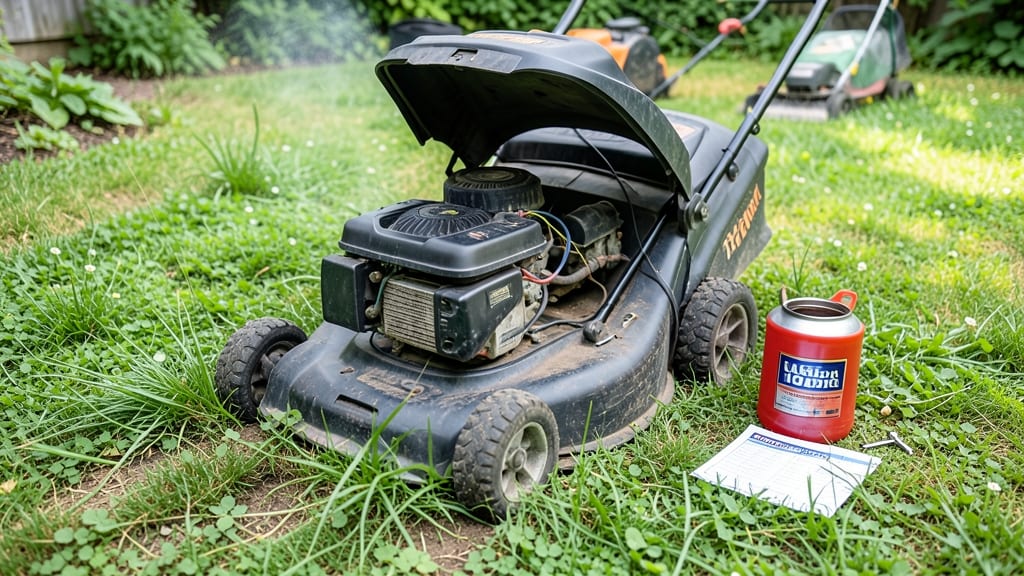
If your lawn mower loses power when cutting, start by inspecting the air filter for clogs, checking for dull or damaged blades, and verifying the carburetor isn't choked. A dirty spark plug, stale fuel, or low oil levels can also drain performance during operation.
When your mower struggles mid-cut, the issue often boils down to mechanical resistance or fuel delivery problems.
Dull blades force the engine to work harder, while a clogged air filter starves it of oxygen—both create that telltale power dip. 🔥 I’ve found that even a slightly rich fuel mix (from a dirty carburetor) can cause stalling under load, especially on thick grass. The good news?
Most of these fixes take less than 15 minutes with basic tools.
Pro tip: Always check the fuel quality first—old gas gums up carburetors faster than you’d think. And if you’re using a self-propelled model, a worn drive belt can mimic power loss symptoms.
The key is methodical testing: start with the easiest checks (air filter, spark plug) before diving into carburetor teardowns.
💡 In This Article
- Common Causes of Lawn Mower Power Loss During Operation
- Step-by-Step Troubleshooting for Lawn Mower Performance Issues
Common causes of lawn mower power loss during operation
The most common reason your mower sputters or loses power mid-cut is increased mechanical load. When blades dull or become bent, they create more friction against the grass, forcing the engine to work harder.
A 1/16-inch thick blade (dull standard) can require up to 30% more horsepower to cut the same grass compared to a sharp 1/32-inch edge. This extra strain causes the engine to bog down, especially on thick grass or rough terrain.
A clogged air filter restricts airflow, starving the engine of oxygen needed for combustion. A paper filter should allow 10-15 cubic feet of air per minute per horsepower—when dirty, this drops by 50% or more.
The engine compensates by running richer (more fuel), which creates black smoke and further reduces power. 💨 Even a foam filter can lose 40% efficiency when coated in oil and debris, making it harder for the engine to maintain RPM under load.
Fuel system issues often go unnoticed until they cause stalling. A choked carburetor—from old fuel, dirt, or a stuck throttle valve—prevents proper fuel-air mixing.
The engine may run fine at idle but struggle when the throttle opens under load. Ethanol-blended fuel (common in modern gas) absorbs moisture and gums up carburetors faster, creating varnish that restricts fuel flow. Even a 10% ethanol mix can reduce carburetor lifespan by 30% compared to pure gasoline.
Electrical faults like a weak spark plug or worn ignition coil can also trigger power loss. A spark plug with a 0.030-inch gap (standard) may misfire when fouled with carbon deposits, reducing combustion efficiency by 20-40%.
Coils degrade over time, especially in high-vibration engines, leading to inconsistent spark delivery. If the coil fails completely, the engine may still crank but lose power mid-operation as the spark weakens.
Don’t overlook oil levels—low oil increases friction in the crankshaft and pistons, sapping power. A 4-cycle engine needs 1 quart per 10 horsepower; running 20% low can reduce efficiency by 15-25%.
Over time, oil breakdown from heat and contaminants thickens it, making it harder for the engine to maintain lubrication under load.
Finally, consider the load demand. Self-propelled mowers have drive belts that wear over time, increasing resistance. A 1/8-inch belt slip can reduce power transfer by 10-15%, making the mower feel sluggish. Even the grass type matters—wet or tall grass creates more drag, compounding any underlying issue.