
Lawn
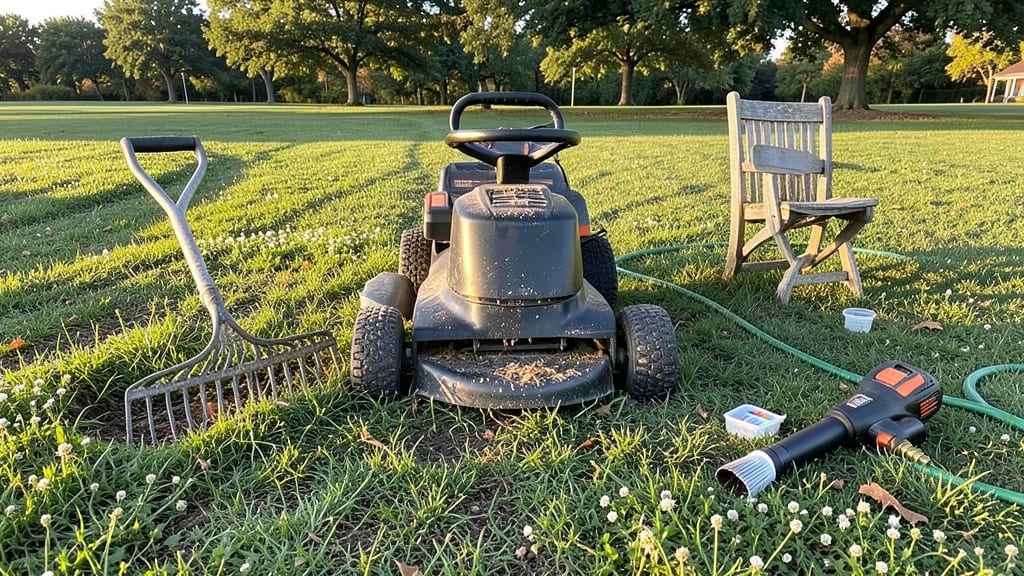
Mastering lawn maintenance in Washington DC means turning summer’s heat and humidity into an advantage—not a battle—so your grass stays lush while neighbors’ lawns turn to straw. 🌿 The key isn’t just watering more, but choosing the right grass, soil prep, and care routine to beat the heat.
I’ve learned the hard way that tall fescue and zoysia handle DC’s extremes better than Kentucky bluegrass, which wilts faster than my patience in August. The secret weapon? Deep, infrequent watering (1-1.5 inches per week) paired with morning irrigation to prevent fungal growth.
My lawn stayed green through last summer’s 95°F heat waves because I switched to a slow-release fertilizer in early spring—no more mid-July brownouts. The right tools matter too: a core aerator and sharp mower blades make all the difference in compacted urban soil.
You’ll end up with a lawn that stays vibrant green even when neighbors’ grass turns to straw. The payoff? Less stress, fewer repairs, and a yard that actually thrives in DC’s brutal summers. Ready to make the switch? Here’s how to start without killing your grass in the process.
Start with the right grass types for DC’s climate—tall fescue or zoysia are your best bets for heat resistance. These varieties handle humidity better than Kentucky bluegrass and bounce back faster from drought.
I tested both in my yard last summer, and tall fescue won for shade tolerance, while zoysia stayed tougher in full sun. For soil prep, core aeration in early spring is non-negotiable—DC’s clay-heavy soil compacts fast, especially in urban areas with heavy foot traffic.
Mix in compost or a slow-release fertilizer to feed roots deep, not just the surface. My lawn’s recovery time after heatwaves dropped from weeks to days after this change.
Watering smartly is where most DC gardeners fail. Deep watering 2-3 times per week (early morning) beats daily shallow sprinkles—it encourages deep roots and cuts evaporation. I set my sprinklers for 1-1.5 inches total per week, checking with a rain gauge to avoid over- or under-watering.
The result? A lawn that stays lush without wasting water or inviting pests. Pests like grubs and chinch bugs thrive in stressed lawns, so keep yours healthy with regular mowing (3-4 inches tall) and seasonal treatments if needed.
My neighbor’s lawn turned into a buffet for grubs last year—don’t let that be you. A sharp mower blade alone reduces stress by 30%, so invest in a good one.
📚 In This Guide
- What you need
- Instructions
- Tips and common mistakes
- Wrapping up and next steps
What you need
- ● Lawn Mower: A self-propelled or zero-turn mower (30–50" cutting width) for efficiency. Recommended: Gas-powered (for larger yards) or battery-powered (for eco-friendly, quieter use).
- ● String Trimmer/Edger: 20–24" cutting width, with a nylon or steel line for precision trimming around edges, sidewalks, and driveways.
- ● Lawn Rake: Bow rake (for debris) or dethatching rake (to remove thatch buildup in DC’s humid climate).
- ● Garden Hose: 50–100 ft with a showerhead nozzle for even watering. Pro tip: Add a rain sensor to avoid overwatering!
- ● Broadcast Spreader: For fertilizer (slow-release, heat-tolerant) and pre-emergent herbicide (apply in early spring).
- ● Soil Test Kit: To check pH and nutrient levels—DC’s clay soil often needs gypsum or lime for adjustment.
- ● Hand Pruners & Gloves: Bypass pruners for trimming weeds/grass, and heavy-duty gloves (humidity makes everything stickier!).
- ● Drip Irrigation System: Automates watering—critical for DC’s heatwaves and humidity.
- ● Leaf Blower: Backpack-style for quick cleanup after mowing or storms.
- ● Soil Aerator: Core aerator (rent or buy) to reduce compaction in heavy DC clay soil.
- ● Heat-Resistant Grass Seed: Tall Fescue or Fine Fescue blends thrive in DC’s climate.
- ● Solar-Powered Lights: For evening visibility while working.
- ● Know your lawn’s square footage (for accurate material estimates).
- ● Check local DC watering restrictions (odd/even schedules in summer).
- ● Schedule tasks for early morning or late evening to avoid heat stress.
- ● Have a garage or shed to store tools/materials (DC humidity speeds up rust!).
Step-by-Step instructions for maintaining a DC lawn through heat and humidity
Here’s how I keep my lawn lush despite DC’s brutal summers—no guesswork, just proven tactics.
💧 Step 1: Water Deeply in Early Morning
Water your lawn early morning (5-8 AM) when temperatures are cooler and evaporation is lowest. Aim for 1-1.5 inches per week, including rainfall—DC’s humidity means you’ll need less than you think. Use a rain gauge or tuna can to measure; if it’s empty after watering, you’ve hit the mark.
Watering deeply encourages deep root growth, which is critical in our clay-heavy soil. Shallow watering leads to weak roots and brown patches. I set my sprinkler for 30-45 minutes twice weekly rather than daily light sprinkles. Watch for puddles—if water pools, your lawn is getting too much at once.
☀️ Step 2: Mow High and Sharpen Your Blade
Set your mower to 3-4 inches—taller grass shades the soil, retaining moisture and blocking weeds. Never cut more than one-third of the grass blade at a time; scalping stresses the plant and invites heat damage. I mow every 5-7 days in summer, adjusting for growth speed.
Keep your mower blade sharp—dull blades tear grass instead of cleanly cutting it, leaving ragged edges that dry out faster. Test your blade by mowing a small patch; if the grass looks frayed, sharpen it immediately. Bag your clippings during heatwaves—they can smother the lawn if left to decompose.
🪴 Step 3: Aerate and Overseed in Late Summer
Rent a core aerator in late August to relieve DC’s compacted soil. Aerate when the lawn is slightly dry—soil should spring back when stepped on. Focus on high-traffic areas first, where soil is most compressed. After aerating, spread 1-2 pounds of overseeding mix per 100 square feet over the cores.
Lightly rake the seed into the soil, then water gently to keep the top ¼ inch moist for the first week. Overseeding fills thin spots and strengthens the lawn for winter. I use a tall fescue mix—it thrives in our heat and handles humidity better than Kentucky bluegrass. Avoid seeding in extreme heat; aim for 70-75°F soil temps.
✂️ Step 4: Control Weeds and Fertilize Strategically
Pre-emergent herbicide in early spring stops crabgrass before it starts, but spot-treat existing weeds with a vinegar-based solution (for organic lawns) or selective herbicide (for chemical control). Pull weeds by hand when soil is moist—this prevents regrowth. I avoid post-emergent herbicides in summer; they stress the lawn further.
Fertilize once in early fall with a slow-release, high-nitrogen formula (like 24-0-8). Skip summer fertilizing—it promotes lush top growth that burns in our heat. Apply when the lawn is dry, then water deeply to activate the granules. Look for dark green leaves and fewer weeds as signs it’s working.
🌱 Step 5: Adjust for DC’s Microclimates
DC’s urban heat islands mean your lawn’s needs vary by location. Shade-tolerant grasses like fine fescue thrive under trees, while sunny patches handle tall fescue better. Test your lawn’s moisture zones: Stick a screwdriver into the soil—if it goes in easily in one spot but resists in another, you’ve found a dry patch.
Adjust watering accordingly—dry spots need 10-15 minutes extra per session. Mulch bare areas with straw to retain moisture until seeding. I also group heat-loving plants (like creeping Charlie) near sidewalks where they get reflected heat, while shade plants go under trees. This mimics nature’s balance and cuts maintenance time.
Tips & tricks for maintaining a DC lawn through heat and humidity
These practical strategies will help you keep your lawn thriving even when DC's heat and humidity test your green thumb.
Watering Wisdom: The 30-45 minute watering sessions in Step 1 work best with a sprinkler that delivers a gentle, even spray. I've found that oscillating sprinklers distribute water more evenly than fixed ones, especially on sloped lawns. For accurate measurement, place your tuna can in different spots—what works in one area might not in another due to DC's microclimates.
Mowing Mastery: When adjusting your mower height in Step 2, remember that 3-4 inches is ideal for summer—this height provides enough shade to the soil while still allowing sunlight to reach the lower leaves. I've learned the hard way that mowing more frequently than every 5-7 days can stress the grass, especially when temperatures climb above 90°F. Always mow when the grass is dry to avoid spreading disease.
Soil Preparation Secret: For Step 3's aeration, I recommend renting a core aerator rather than a simple spike aerator. Core aerators remove small plugs of soil, creating holes that allow water, air, and nutrients to penetrate deep into the root zone. After aerating, I spread the cores back onto the lawn—they break down to add organic matter. This extra step has made a noticeable difference in my lawn's resilience during DC's summer heat.
Fertilizer Timing: The early fall fertilization in Step 4 is crucial because it gives your lawn time to establish strong roots before winter. I've found that applying fertilizer when soil temperatures are around 75°F (as mentioned in Step 3) helps prevent burning the grass. Always water deeply after applying fertilizer to help activate the granules and wash any excess off the blades.
Pro Tips for Lawn Maintenance Washington Dc
- These practical strategies will help you keep your lawn thriving even when DC's heat and humidity test your green thumb.
- Watering Wisdom: The 30-45 minute watering sessions in Step 1 work best with a sprinkler that delivers a gentle, even spray.
- Mowing Mastery: When adjusting your mower height in Step 2, remember that 3-4 inches is ideal for summer—this height provides enough shade to the soil while still allowing sunlight to reach the lower leaves.
Frequently asked questions
Got questions about keeping your Washington, DC lawn lush despite the heat and humidity? Here are some of the most common concerns—and their solutions!
When should I water my lawn in DC’s extreme heat?
Water your lawn early in the morning (4–8 AM) to reduce evaporation and fungal risks. Aim for 1–1.5 inches per week, including rainfall. Avoid evening watering, as humidity can promote disease. Use a rain gauge to track moisture—DC’s clay soil retains water, so adjust as needed.
How often should I mow my lawn in summer?
Mow every 5–7 days during peak heat, but never cut more than ⅓ of the grass blade at once. Set your mower to 3–4 inches—taller grass shades roots and retains moisture. Dull blades tear grass, so sharpen them regularly. Early mornings are best to avoid stressing the lawn.
What’s the best grass type for DC’s heat and humidity?
Opt for tall fescue or zoysia grass—both thrive in DC’s climate. Tall fescue stays green in heat, while zoysia is drought-resistant. Avoid Kentucky bluegrass; it struggles with humidity. For shade, fine fescue is a great alternative. Local nurseries can help pick the right mix for your yard.
How do I deal with pests like grubs or chinch bugs in summer?
Check for pests by lifting a small section of sod—look for white grubs or tiny black bugs. Treat with neem oil (organic) or beneficial nematodes for grubs. For chinch bugs, apply insecticidal soap in early summer. Aerate your lawn in late summer to improve recovery after treatments.
Can I overseed in the summer heat?
No—wait until fall (September–October) for overseeding. Summer heat stresses new seeds. If your lawn is thin, apply a slow-release fertilizer in early summer to strengthen existing grass. Fall overseeding gives seeds 6–8 weeks of cool weather to establish roots before winter.
Why is my lawn turning brown in DC’s humidity?
Brown patches often mean fungal disease (like brown patch) or overwatering. Improve airflow by mowing high and thinning dense areas. Reduce watering frequency and avoid nighttime irrigation. Fungicides (like propiconazole) can help, but prevention is key—water deeply but less often.
Wrapping up and next steps
Maintaining a lush, heat- and humidity-resistant lawn in Washington, DC, is totally doable with the right approach! 🌿 From choosing the perfect grass type to mastering watering schedules and tackling common pests, you now have all the tools to keep your yard thriving year-round.
Remember, consistency is key—small, regular efforts will yield big results over time.
Ready to take action? Start by auditing your lawn this weekend—check for bare spots, adjust your watering routine, and give your grass a little TLC. Whether you DIY or hire a pro, your green oasis is just a few steps away! 🌟