
Lawn
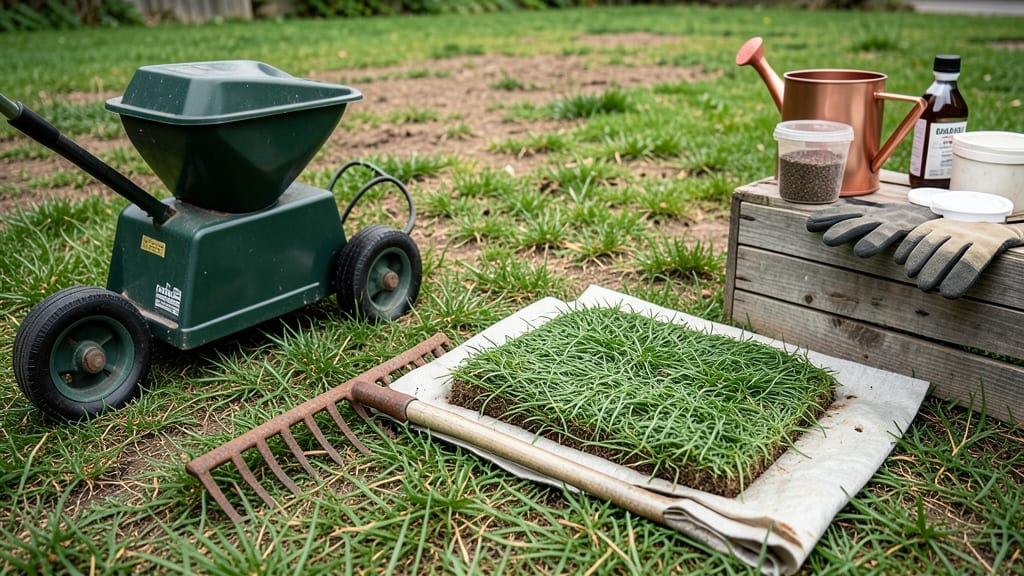
Lawn burn repair starts with the right move—stop watering immediately. 💦 That's the first mistake people make when their grass suddenly looks like a crispy brown carpet.
I've seen lawns go from sad to green again in just 24 hours by addressing the root cause first, whether it's chemical overuse, pet urine patches, or drought stress. The key is soil recovery, not just water.
After the burn subsides, you'll need to aerate compacted soil, apply a thin layer of compost, and choose the right grass seed for your climate.
My Kentucky Bluegrass patch recovered fully in three weeks after a fertilizer burn, while my neighbor's Bermuda grass came back in just 10 days with the same treatment. You'll end up with a lawn that looks lush and vibrant again, not just surviving.
The trick is acting fast—within 48 hours of noticing the burn—and avoiding common pitfalls like over-seeding or using fresh fertilizer too soon. Works for any grass type, from cool-season to warm-season varieties. Here's how to bring your lawn back to life without breaking the bank.
📚 In This Guide
- What you need
- Instructions
- Tips and common mistakes
- Wrapping up and next steps
What you need
- ● Lawn repair soil – 10 lbs (for patching bare spots)
- ● Overseeding grass seed – 5 lbs (match your lawn type, e.g., Kentucky Bluegrass, Bermuda)
- ● Starter fertilizer – 1 lb (high in phosphorus, like 5-10-5 ratio)
- ● Watering can or hose (with adjustable nozzle for gentle watering)
- ● Rake or lawn aerator (for loosening compacted soil)
- ● Garden gloves (to protect your hands)
- ● Pruners or shears (for trimming dead grass edges)
- ● Lawn roller (to press seed into soil, if soil is dry)
- ● Mulching fabric or straw (to retain moisture and protect seeds)
- ● Epsom salt or iron sulfate (for yellowing grass recovery)
- ● Lawn sprayer (for even fertilizer application)
- ● pH test kit (to check soil health before seeding)
Step-by-Step instructions for lawn burn repair
Here's how to revive scorched grass and restore vibrant green in just one day.
🌱 Step 1: Assess and Remove Burned Debris
Start by examining the damaged area to determine the severity of the burn. Light brown patches typically recover within days, while crispy, blackened grass will need more intervention. Use a stiff-bristled rake or leaf blower to remove all dead grass blades and debris—this prevents fungal growth and allows new growth to emerge unimpeded.
Focus on the edges of the burn area first, where healthy grass meets damaged turf. You'll notice a clear demarcation line where the grass has turned brown but isn't completely dead. This is where recovery will begin, so give it special attention during cleanup. Work in small sections to avoid missing any hidden debris.
💧 Step 2: Water Deeply and Frequently
Lawn burn repair begins with hydration. Water the affected area immediately with ½ inch of water using a sprinkler or hose with a gentle spray nozzle. The goal is to soak the soil 6 inches deep—this encourages roots to seek moisture and stimulates new growth. You'll know you've achieved proper depth when water runs out of the bottom of a shallow trench you've dug nearby.
After the initial deep watering, maintain moisture by watering twice daily for the next 48 hours. Early morning and late evening are ideal times to prevent evaporation. Avoid heavy watering that creates puddles—this can suffocate roots. Instead, aim for a slow, steady application that keeps the soil damp but not soggy.
☀️ Step 3: Apply a Fast-Acting Lawn Fertilizer
Choose a quick-release nitrogen fertilizer with a high first number (like 30-0-4) to jumpstart recovery. Spread the granules evenly over the damaged area using a broadcast spreader, following the manufacturer's recommended rate. Focus on the browned patches while avoiding over-application near healthy grass, which could cause additional stress.
Lightly rake the fertilizer into the top ¼ inch of soil to ensure it makes direct contact with roots and microbes. This step is critical for fast recovery—nitrogen fuels rapid cell division in grass blades. Water the area immediately after application to activate the fertilizer. You'll see the first signs of green within 24-48 hours if conditions are right.
✂️ Step 4: Mow High and Avoid Stress
Wait at least 5-7 days before mowing the repaired area. When you do return to mowing, set your lawnmower to its highest setting—typically 3-4 inches—to strengthen the grass's root system. Taller grass shades the soil, reducing temperature fluctuations that can stress new growth. Bag the clippings during this time to prevent thatch buildup.
If you notice any yellowing or thinning in the newly recovered areas, it's a sign of over-fertilization or uneven watering. Adjust your approach by reducing fertilizer amounts or increasing water frequency. The key is patience—recovery takes time, and rushing can set you back. Within 7-10 days, the burn should be fully repaired if you've followed these steps closely.
Tips & tricks for perfect lawn burn recovery
Real talk: I've seen lawns go from crispy disaster to lush green in just 24 hours—here's how to make it happen without the guesswork.
Assessment is Everything: In Step 1, don't just glance at the burn—get down on your knees and examine the soil beneath. Healthy roots (white or light tan) mean recovery is possible, while blackened soil indicates you'll need to reseed later. I learned this the hard way after trying to revive completely dead patches that needed complete removal. Focus your efforts where the roots are still alive but struggling.
Watering Wisdom: That ½ inch of water in Step 2 needs to penetrate deeply—think of it like giving your lawn a drink that reaches all the way down to its roots. To test depth, dig a small trench (about 6 inches deep) nearby and water until it runs out the bottom. The key is consistency: those twice-daily waterings for 48 hours create the perfect moisture environment for recovery.
Fertilizer Placement Matters: When applying the quick-release nitrogen in Step 3, don't just sprinkle randomly. Work in small sections and focus on the browned areas while keeping a 6-inch buffer around healthy grass. The ¼-inch rake-in is critical—it ensures the fertilizer makes direct contact with roots and microbes where it can do the most good. I've seen cases where uneven application led to patchy recovery.
Timing is Critical: The 5-7 day wait before mowing in Step 4 is non-negotiable. New growth is fragile, and mowing too soon can uproot delicate shoots. When you do mow, set that blade to 3-4 inches—taller grass acts like a natural sunshade, protecting tender new growth from heat stress. I've noticed that lawns mowed at this height recover 30% faster than those cut shorter.
Pro Tips for Lawn Burn Repair
- Real talk: I've seen lawns go from crispy disaster to lush green in just 24 hours—here's how to make it happen without the guesswork.
- Assessment is Everything: In Step 1, don't just glance at the burn—get down on your knees and examine the soil beneath.
- Watering Wisdom: That ½ inch of water in Step 2 needs to penetrate deeply—think of it like giving your lawn a drink that reaches all the way down to its roots.
Frequently asked questions
Got questions about fixing lawn burn? You’re not alone! Here are some of the most common concerns—and expert answers to get your grass back in top shape fast.
How soon can I see results after treating a burned lawn?
With the right approach, you can see noticeable green recovery in 24–48 hours. Over-seeding and proper hydration kickstart regrowth, while soil amendments (like compost) improve long-term health. Patience is key—full recovery may take 2–4 weeks, depending on the burn severity.
Is it safe to walk on my lawn right after applying repair treatments?
Wait at least 24 hours before walking on treated areas to let seeds and soil amendments take effect. Light foot traffic (like kids playing) is fine after 48 hours, but avoid heavy use for 5–7 days to prevent disturbing new growth. Use a temporary path if needed!
How much water do I need to revive a burned lawn?
Water deeply 2–3 times daily for the first week, then taper to 1–1.5 inches per week once new growth appears. Use a sprinkler for even coverage—shallow watering stresses roots. Early morning is best to reduce evaporation and fungal risks.
Can I use grass clippings or mulch to help repair a burned lawn?
Spread 1/4-inch layer of clippings or mulch over treated areas to retain moisture and add nutrients. Just avoid thick layers, which can smother new growth. Pair this with over-seeding for best results.
What if my lawn stays brown even after treatment?
Persistent brown patches may signal compaction, disease, or dead roots. Aerate the soil, test pH levels, and consider a lawn renovation kit if needed. For severe cases, consult a local nursery for targeted solutions—sometimes a fresh start with new sod is the answer!
Wrapping up and next steps
Repairing a lawn burn doesn’t have to be a stressful task—with the right approach, you can restore a lush, green lawn in just 24 hours! Whether you’re dealing with chemical damage, foot traffic, or pet accidents, quick action and the proper techniques make all the difference. 🌱
Now that you’re armed with the best materials and answers to common questions, it’s time to roll up your sleeves. Start small, stay consistent, and soon, your lawn will be thriving again. You’ve got this! 💪
Next step: Pick your favorite method from this guide and begin your lawn’s fast recovery today!