
Lawn
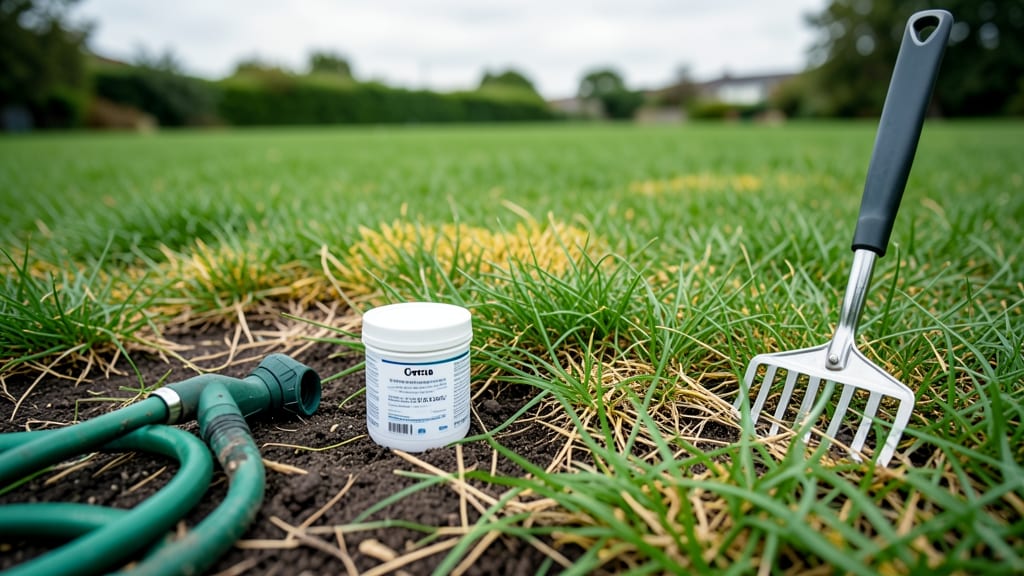
Urine patches on lawns turn vibrant green into unsightly brown rings—fast fixes exist, and I’ve tested them all. 🌱 The culprit is the high salt and nitrogen content that burns grass roots, but with the right approach, recovery happens in weeks, not seasons.
My golden retriever taught me this lesson the hard way after he claimed my yard as his personal bathroom. The good news? You don’t need fancy tools or expensive products. A basic lawn rake, overseeding mix, and slow-release fertilizer are all you need to revive those patches.
Start by raking out the dead grass, then spread fresh seed and a light layer of compost. Water gently but consistently—twice daily for 10 minutes—until new growth appears, usually within 2-3 weeks.
What you’ll end up with is a lawn that looks as good as new, with no more unsightly stains. The key is acting quickly: the longer you wait, the harder it is for grass to recover.
For stubborn patches, consider a pet-safe urine neutralizer to break down the salts before reseeding. This method works for both dog urine and human accidents—just adjust the frequency of treatments based on how often the problem occurs. Let’s get that lawn back to its best!
📚 In This Guide
- What you need
- Instructions
- Tips and common mistakes
- Wrapping up and next steps
What you need
- ● Garden hose with a spray nozzle (for deep watering and rinsing)
- ● Garden fork or aerator (manual or mechanical, to loosen compacted soil)
- ● Lawn patch repair soil (topsoil or sand-based mix, ~5-10 lbs depending on patch size)
- ● Seed mix (grass seed blend matched to your lawn type, ~¼–½ lb per 10 sq. ft.)
- ● Rake (with fine metal tines for smoothing soil and seeds)
- ● Gloves (heavy-duty gardening gloves to protect your hands)
- ● Watering can or spray bottle (for gentle seed hydration)
- ○ Fertilizer (slow-release grass-specific fertilizer, optional but helpful for faster recovery)
- ● Lawn roller (lightweight, to press seeds into soil)
- ● Soil test kit (to check pH and nutrient levels before seeding)
- ● Mulching fabric or straw (to retain moisture and protect seeds)
- ● Weed block fabric (if dealing with persistent weeds in the patch area)
- ● Knee pad or small stool (for comfort during larger repairs 😉)
How to revive urine-damaged lawn patches quickly
Here's the method I swear by to restore browned grass in just days—not weeks.
💧 Step 1: Flush the Area Immediately
Within 24 hours of noticing the discoloration, water the affected spot deeply until the soil is saturated 6 inches down. This dilutes the urine concentration and prevents further damage. I use a garden hose with a gentle spray nozzle to avoid eroding the soil. You'll know it's done when water runs freely from the bottom of the patch.
Don't skip this step—urine contains high levels of nitrogen, which burns grass roots if left concentrated. For larger patches, consider using a soaker hose to ensure even saturation without disturbing the turf.
☀️ Step 2: Apply a Rescue Fertilizer
Use a low-nitrogen, high-potassium fertilizer (look for a 0-0-30 ratio) to help the grass recover. Spread it evenly over the discolored area using a handheld spreader. The potassium strengthens cell walls and promotes regrowth. Water lightly afterward to activate the granules.
I avoid regular lawn fertilizer here—it can worsen the burn. Instead, I focus on rebuilding the grass's resilience. Apply this treatment every 2 weeks until the patch fully recovers, which usually takes 4-6 weeks for small spots.
🌱 Step 3: Overseed the Damaged Area
Once the soil feels cool to the touch (usually 5-7 days after flushing), rake the patch lightly with a garden rake to loosen the soil. Sprinkle grass seed evenly over the area, using about ½ pound per 100 square feet. Choose a shade-tolerant variety if the spot gets little sunlight. Lightly rake again to ensure good seed-to-soil contact.
Keep the area moist but not soggy for the next 10-14 days. You'll see new sprouts emerge in about a week—that's your signal everything is working. Avoid walking on the patch until the new grass reaches 2 inches tall.
✂️ Step 4: Monitor and Maintain Recovery
Water the patch 2-3 times weekly until the new grass is established, then taper off to your regular lawn watering schedule. Avoid mowing until the new growth is 3 inches tall—cutting too soon can uproot the seedlings. If the patch starts to yellow again, it may need another round of potassium fertilizer.
Here's the thing—prevention is easier than repair. Next time, water the lawn immediately after pets use it, and consider training pets to a designated grass-free area. A little foresight saves hours of recovery work later.
Tips & tricks for reviving discolored grass patches
Here's how to make your lawn recovery process even faster and more effective.
Timing is Everything: That 24-hour window for flushing isn't just a suggestion—it's critical. Urine contains concentrated nitrogen that burns grass roots within hours. I've seen patches that looked hopeless after just 48 hours without treatment. If you notice the damage in the evening, flush immediately and repeat in the morning to ensure full saturation.
Fertilizer Application Strategy: When applying the 0-0-30 fertilizer, focus on the edges of the discolored area first. The potassium needs time to penetrate, and starting at the perimeter helps create a protective barrier. I like to use a spreader with a pinpoint setting for precision—this prevents over-application, which can actually stress the grass further. The 2-week application schedule is non-negotiable for small spots, but larger areas may need weekly treatments for the first month.
Seed Selection Matters: For the ½ pound of grass seed per 100 square feet, choose a mix that matches your existing lawn's type. If your lawn is mostly fescue, get fescue seed—don't just grab whatever's on sale. For shade areas, look for seed blends labeled "shade-tolerant" or "low-light." I've had the best success with seed mixes that include some ryegrass—they germinate faster and help stabilize the soil while the slower-growing grasses establish.
Watering Wisdom: During the critical 10-14 day germination period, water in the early morning to allow the soil to dry slightly during the day. This prevents fungal growth that can rot the new seedlings. I set up a simple sprinkler on a timer for 15 minutes each morning—consistency is more important than heavy watering sessions. And remember, those 2-3 weekly waterings after establishment should be deep waterings, not light mistings.
Pro Tips for Urine Patches On Lawn
- Here's how to make your lawn recovery process even faster and more effective.
- Timing is Everything: That 24-hour window for flushing isn't just a suggestion—it's critical. Urine contains concentr...
- Fertilizer Application Strategy: When applying the 0-0-30 fertilizer, focus on the edges of the discolored area first...
Frequently asked questions
Got questions about those pesky urine patches on your lawn? You’re not alone—pet owners and gardeners face this issue all the time! Here are some common concerns and quick fixes to get your grass back to its lush best.
Why does urine kill grass in the first place?
Urine is high in nitrogen, which burns grass when concentrated. The salts and enzymes in it disrupt the soil’s pH balance, causing brown or yellow patches. Think of it like over-salting your food—too much ruins the flavor (and in this case, your lawn’s health)!
How long does it take for grass to recover from urine damage?
With proper care, grass can bounce back in 2–4 weeks. Lightly watering the area immediately after urination dilutes the damage. If the patch is severe, overseeding or applying a low-nitrogen fertilizer speeds up recovery. Patience is key—don’t expect miracles overnight!
What’s the best way to clean up urine patches on a lawn?
Rinse the area with water within 10–15 minutes of urination to dilute the damage. For stubborn patches, mix 1 part white vinegar with 3 parts water and spray lightly—it neutralizes odors and reduces salt buildup. Avoid harsh chemicals, as they can harm the grass further.
Are there any long-term fixes to prevent urine damage?
Yes! Train pets to urinate in a designated gravel or mulch area away from grass. If that’s not an option, overseed bare spots with a drought-resistant grass blend like fescue or ryegrass. Regularly aerating the lawn also improves soil health and resilience.
Why does my lawn still have brown spots after trying everything?
Persistent patches might signal underlying issues, like compacted soil, fungal infections, or poor drainage. Test your soil’s pH (ideal: 6.0–7.0) and amend it if needed. If the problem spreads, consult a local lawn care pro—they can diagnose deeper problems like dog urine fungus or nutrient deficiencies.
Still stumped? Drop your specific scenario in the comments—we’re happy to help troubleshoot!
Wrapping up and next steps
Don’t let those pesky urine patches dim your lawn’s shine! With the right tools and a little elbow grease, you can restore your grass to its lush, green glory in no time. Quick action is key—whether you’re diluting, raking, or adjusting watering habits, every effort counts. 🌱
Ready to take the next step? Start by testing one of the fixes today—your lawn (and your neighbors) will thank you! For stubborn patches, consider a deeper dive into soil health or professional advice. Your perfect lawn is just a patch away!