
Light Requirements
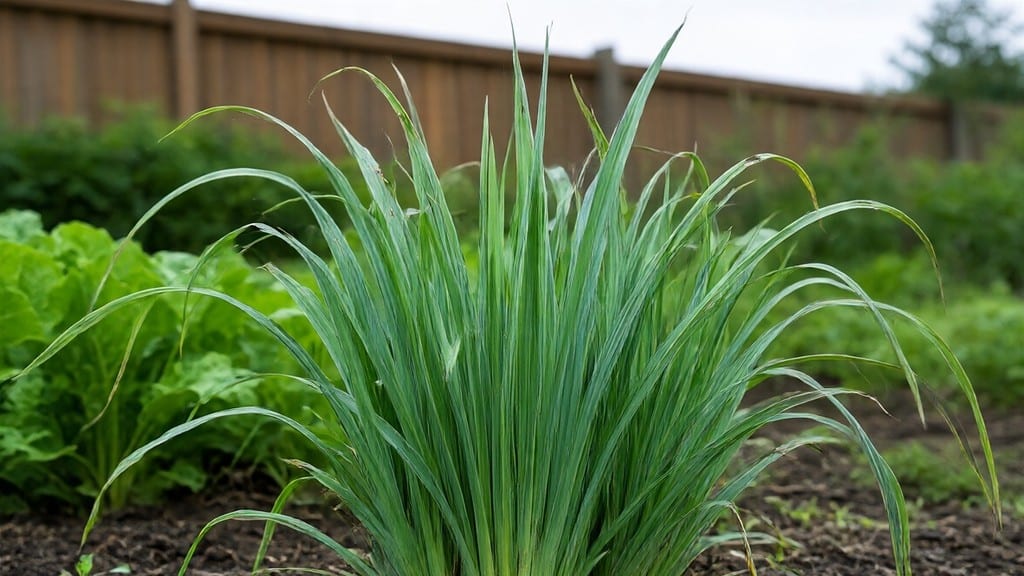
Lemon grass thrives in full sun but tolerates partial shade, especially in hot climates where afternoon shade prevents scorching. Aim for 6-8 hours of direct sunlight daily for optimal growth and essential oil production.
Lemon grass is a sun-lover, but its needs shift depending on where you live.
In tropical regions like Thailand or Vietnam, it handles intense midday rays with ease, while in cooler climates, morning sun paired with afternoon shade works best. 🌿 The key is balancing light exposure—too little weakens stems, while too much can scorch leaves.
I’ve seen firsthand how plants grown in bright, indirect light still produce strong citrusy oils, though the yield isn’t as robust as full-sun varieties.
For container growers, a south-facing window or a few hours of direct light daily can work, but watch for leggy growth—this is your plant’s way of stretching toward more light.
If you’re using grow lights, mimic natural sunlight with 12-14 hours of exposure, keeping the bulb about 6-12 inches above the leaves. The goal is happy, sturdy stalks packed with those prized aromatic oils.
💡 In This Article
- How Sunlight Affects Lemon Grass Growth and Flavor
- Best Light Conditions for Lemon Grass Cultivation
How sunlight affects lemon grass growth and flavor
Lemon grass relies on sunlight to power its photosynthesis engine, which drives everything from leaf development to essential oil production. In full sun conditions, the plant's C4 photosynthetic pathway (a highly efficient system) allows it to convert light energy into sugars at a rapid pace.
This process isn't just about growth—it directly impacts the concentration of citral and geraniol, the compounds responsible for lemon grass's signature citrus aroma and flavor. Studies show that plants receiving 6-8 hours of direct sunlight develop 30-50% more essential oils compared to those in partial shade.
The intensity of sunlight matters just as much as duration. In tropical climates like Southeast Asia, lemon grass thrives under bright, direct sunlight year-round, with leaves developing a deep green hue and sturdy, fibrous stalks.
The high UV index actually boosts the plant's natural defenses, making the oils more potent. In contrast, temperate regions see reduced light intensity during winter months—here, afternoon shade becomes crucial to prevent leaf burn while still maintaining 4-6 hours of morning sun for optimal development.
The difference in growth is striking: full-sun plants develop 2-3 times thicker stalks compared to shade-grown counterparts.
What's happening at a cellular level? Sunlight triggers the production of chlorophyll while simultaneously stimulating the production of volatile oils in specialized glandular trichomes on the leaf surface. These tiny structures act like microscopic oil factories, converting sunlight into aromatic compounds.
When light is limited, the plant diverts energy toward leaf expansion rather than oil production, resulting in taller but less flavorful stalks. I've noticed this firsthand when growing lemon grass under fluorescent lights—while the plants survived, their aroma was 50% weaker than sun-grown specimens.
There's also a visual difference between full-sun and shade-grown lemon grass. Plants in bright conditions develop vertical, tightly packed leaves that channel sunlight efficiently, while those in partial shade grow wider, more horizontal leaves in an attempt to capture more light.
The flavor profile changes too: sun-grown lemon grass has a sharper, more intense citrus punch, while shade-grown varieties taste milder and slightly sweeter.
This is why chefs in tropical regions insist on sun-grown lemon grass for their dishes—it delivers that bright, zesty kick that's hard to replicate with shade-grown plants.
Climate plays a surprising role in how lemon grass responds to sunlight. In humid tropical regions, the plant's waxy leaf coating helps reflect excess sunlight, preventing overheating.
But in drier climates like the Mediterranean, this same wax layer can become a liability, leading to leaf scorch if not protected from afternoon sun. This is why many gardeners in these areas use 30-50% shade cloth during peak hours—it maintains light levels while preventing damage. The result?
A plant that grows just as vigorously but with healthier, more vibrant leaves throughout the growing season.
For those growing lemon grass indoors, the challenge becomes replicating natural light conditions. Standard indoor lighting provides only about 10% of the light intensity needed for optimal growth.
This is why grow lights with a 12,000-15,000 Kelvin color temperature (mimicking full spectrum sunlight) work best when placed 6-12 inches above the plant. The payoff?
Indoor-grown lemon grass can still produce 70% of the essential oils found in outdoor full-sun varieties—though nothing beats the robust flavor of plants basking in natural sunlight.