
Pests
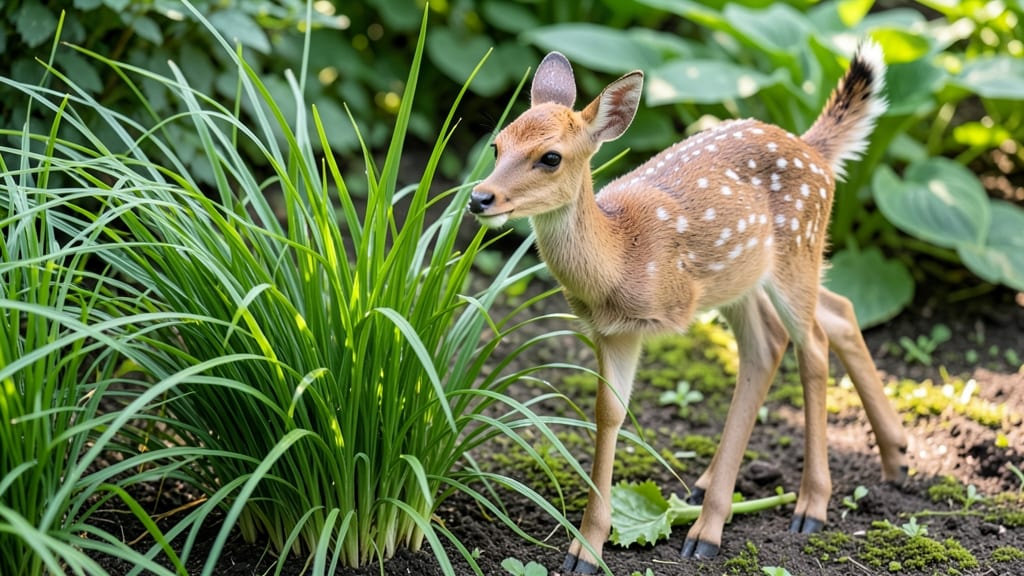
Lemon grass isn't fully deer resistant, though its citrus scent and fibrous leaves usually keep deer away. Young plants may still get nibbled, especially when food is scarce. Planting in groups or pairing it with other deer-repelling plants boosts its effectiveness.
Lemon grass contains natural compounds like citral and citronella, which create that strong citrus smell deer dislike. 🌿 However, these same oils can sometimes mask the plant's nutritional value, making it less of a target—but only if deer have better options nearby.
In my experience, combining lemon grass with marigolds or alliums creates a multi-layered defense that works even better than using it alone.
What's interesting is how deer behavior changes with seasons. In late summer, when deer are stressed by drought, they'll nibble almost anything—including lemon grass. That's why I always recommend planting it in clusters near high-traffic areas, where the scent becomes overwhelming.
The key is creating a "no-go zone" through sheer volume and variety.
💡 In This Article
- Why Deer Sometimes Ignore Lemon Grass
- Strategic Planting to Maximize Deer Protection
Why deer sometimes ignore lemon grass
The real reason lemon grass deters deer lies in its chemical makeup. This tropical grass contains high concentrations of citral and citronella—the same compounds used in commercial insect repellents. These volatile oils create a strong citrus aroma that deer find overwhelming.
Studies show deer have an incredibly sensitive olfactory system, capable of detecting scents at concentrations as low as 0.01 parts per million. When crushed or disturbed, lemon grass releases these compounds in concentrated bursts, creating a sensory barrier that most deer instinctively avoid.
The plant's physical structure plays a crucial role too. Lemon grass leaves have a tough, fibrous texture with sharp edges that make them difficult to chew.
Deer prefer tender, easy-to-digest vegetation, and the coarse nature of lemon grass makes it a low-priority food source. 🌱 Interestingly, the younger, more tender shoots contain slightly lower concentrations of these repellent compounds, which explains why deer occasionally target them.
This is similar to how deer might nibble young rose canes despite the thorns on mature plants.
However, deer aren't completely deterred by these qualities. When food becomes scarce—particularly during late winter or early spring when natural forage is limited—deer will sample almost anything.
The nutritional trade-off becomes critical: while lemon grass isn't highly nutritious, its carbohydrate content (about 70% of its dry weight) can provide quick energy in desperate situations. This is why you might see deer browsing lemon grass in gardens when their preferred plants like clover or alfalfa have been depleted.
Comparing lemon grass to other deer-repellent plants reveals some interesting dynamics. Rosemary, for example, contains similar volatile oils but has a higher essential oil content (up to 2%) than lemon grass (0.5-1.5%). This makes rosemary more consistently effective as a deterrent.
Lavender, while also deer-resistant, has a milder scent profile that some deer populations have learned to tolerate over time. The key advantage lemon grass offers is its fast growth rate (up to 2 feet per year), allowing it to quickly establish a protective barrier once mature.
Seasonal variations play a surprisingly large role in deer behavior. During peak growing seasons (spring and summer), deer have abundant natural food sources and rarely bother lemon grass.
However, in late fall and winter, when deer are preparing for winter or facing food shortages, they become more opportunistic. 🦌 This is when strategic planting becomes essential—creating dense clusters of lemon grass (with companion plants) forces deer to expend more energy to access potential food, making it less appealing than easier targets.
What most gardeners don't realize is that deer learn from each other. If you notice deer consistently browsing your lemon grass, it's often because they've observed others successfully feeding on it.
This social learning behavior means that once a few deer sample the plant, others may follow—especially if they're part of the same herd. The solution? Create such dense plantings that individual deer can't easily access the center shoots without disturbing the entire cluster.