
Lawn
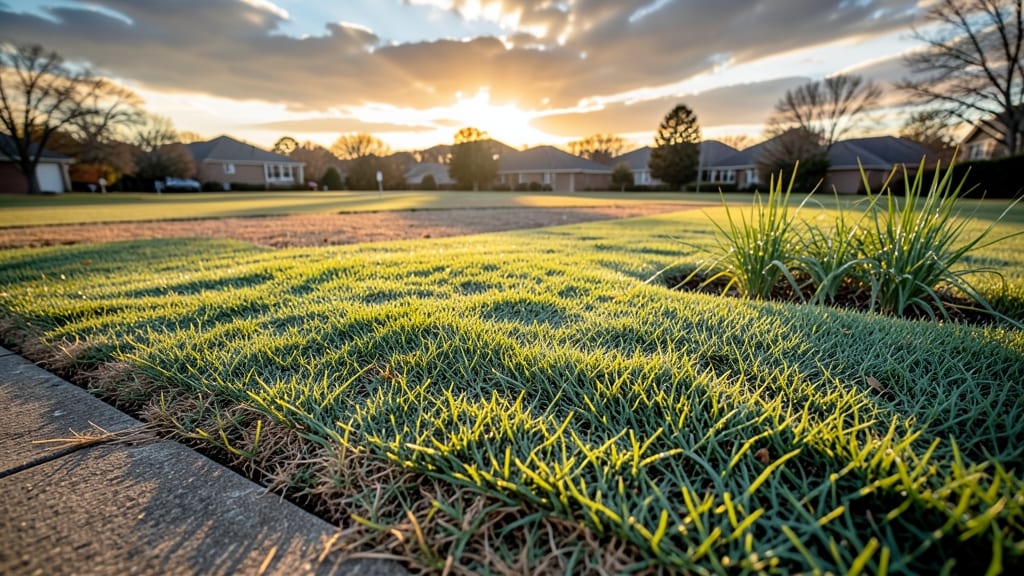
Struggling to identify your lawn type? Knowing whether you have cool-season grass, warm-season grass, or something else determines how you mow, water, and fertilize. These seven visual clues will help you diagnose your lawn type instantly—no guesswork required.
Cool-Weather Grass Blade Shape

If your lawn stays vibrant through crisp autumn mornings and snowy winters, you likely have cool-weather grass—like Kentucky Bluegrass or Fescue. These varieties thrive in northern climates, where their narrow, ribbon-like blades (about 1/8-inch wide) create a dense, lush carpet that resists wear from foot traffic and seasonal changes.
Look closely at individual blades: cool-season grasses have smooth, slightly wavy edges and a soft, velvety texture when healthy. They also tend to grow in bunches or clumps rather than spreading aggressively. These grasses peak in spring and fall but may go dormant in extreme summer heat—unlike their warm-season cousins. For best results, mow at 2.5–4 inches to encourage deep root growth and shade the soil.
This blade shape is your secret weapon for year-round lawns in zones 2–7. Northern gardeners and beginners will love how forgiving these grasses are—just be ready for extra care during summer droughts. 💚
Warm-Season Grass Growth Pattern
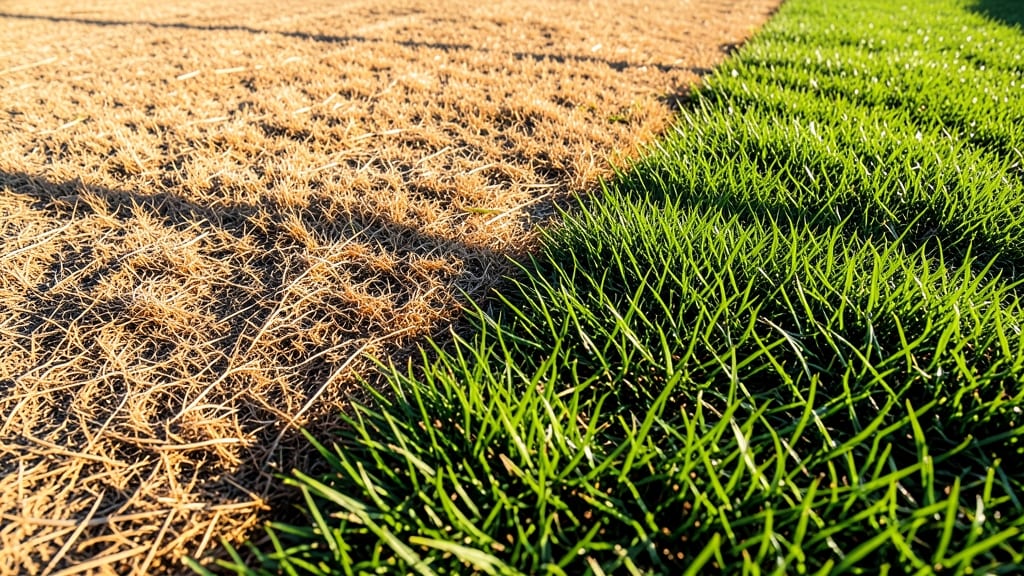
If your lawn turns a crispy brown in winter but springs back to life with aggressive green growth as temperatures rise, you’re likely dealing with warm-season grass. This pattern is classic for types like Bermuda, Zoysia, or St. Augustine, which thrive in southern climates where summers are long and hot.
Look for broad, coarse blades that create a dense, almost spongy texture when healthy. These grasses go dormant in cooler months but recover quickly once soil temperatures hit 65°F or higher. They’re also known for their rapid spread through stolons (horizontal runners) or rhizomes (underground stems), which help them outcompete weeds during peak growing season.
This growth pattern is a game-changer for homeowners in USDA Zones 7-11, where warm-season grasses dominate. If your lawn fits this description, you’ll want to adjust your mowing height higher in summer (3–4 inches) to encourage deep roots and shade out weeds. 🌻
Root System Depth Comparison
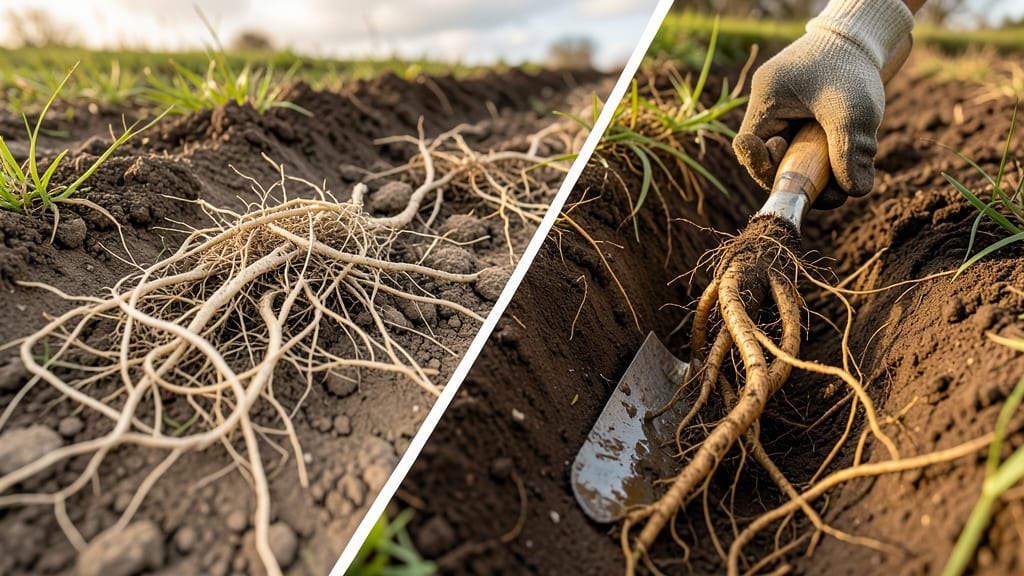
Curious why your lawn thrives in summer but struggles in winter—or vice versa? The answer might be hiding just below the surface. A simple soil test can reveal whether your grass has shallow roots (typical of cool-season varieties) or deep, fibrous roots (common in warm-season types).
Use a small trowel to dig a 6-inch-deep sample. If the roots are mostly concentrated in the top 2-3 inches, you likely have cool-season grass like Kentucky Bluegrass or Fescue. But if you find thick, fibrous roots extending 8+ inches deep, congratulations—you’ve got warm-season grass like Bermuda or Zoysia. This root depth directly influences drought tolerance and recovery speed.
This method is perfect for homeowners who want to match their care routine to their lawn’s natural strengths. No more guessing whether to water deeply or lightly! 🌱
Leaf Tip Appearance Differences
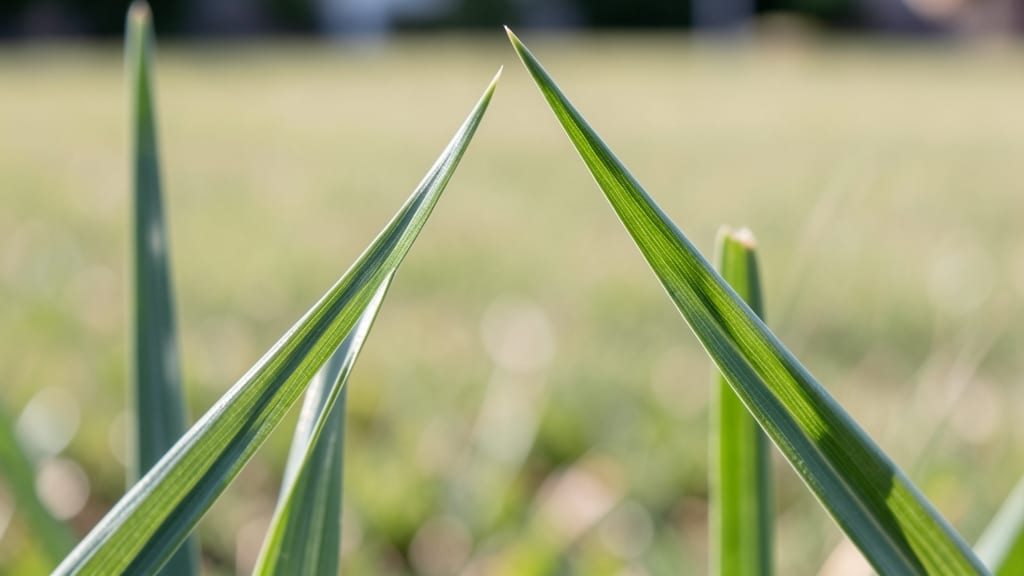
Ever wondered why your lawn looks different from your neighbor’s? The secret might be hiding in the leaf tips—a simple but powerful clue to identify your grass type. Cool-season grasses like Fescue end in sharp, pointed tips, while warm-season varieties such as Zoysia have rounded or even split ends.
Grab a magnifying glass and examine a single blade: cool-season grass tips resemble the bow of a boat, tapering to a fine point, while warm-season tips are blunt or frayed. This distinction helps you determine whether your lawn thrives in cooler months or prefers summer heat, guiding your watering, mowing, and fertilizing schedule.
This trick is especially helpful for beginners or those with mixed lawns—no soil digging or seasonal waiting required! Just a quick glance can reveal the perfect care routine for your grass. 🌿
Seasonal Color Changes Guide
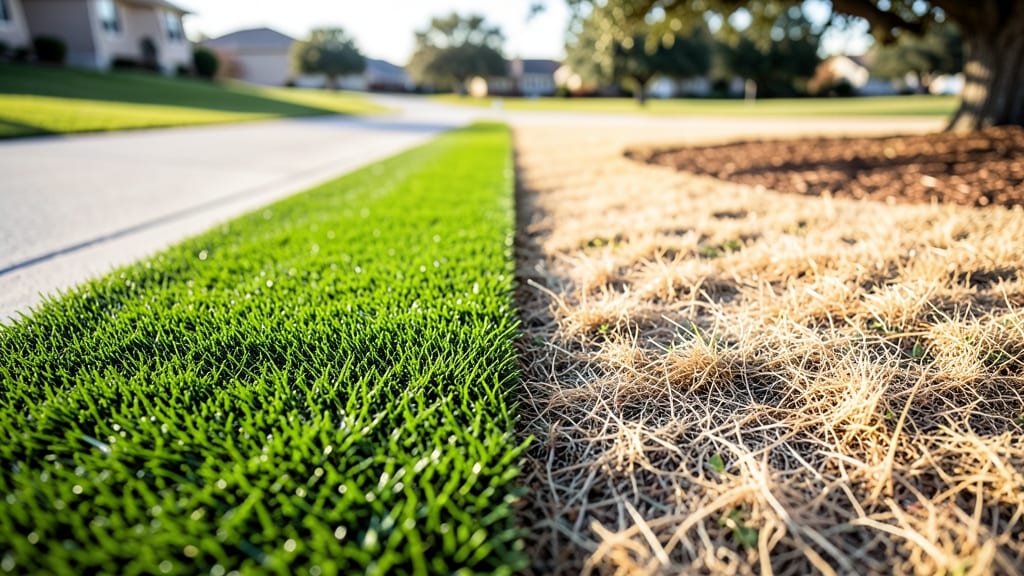
Your lawn’s seasonal behavior is one of the most reliable ways to identify its type—no digging or magnifying required. Simply observe whether your grass stays lush and green year-round (like St. Augustine or Zoysia) or turns brown and dormant during summer heat (like Ryegrass or Fescue). This pattern reveals whether you’ve got warm-season or cool-season grass.
Warm-season grasses thrive in heat, staying vibrant from spring through fall, while cool-season varieties go dormant when temperatures rise. For example, Bermuda grass browns in winter but greens up fast in spring, while Kentucky Bluegrass stays green in winter but may struggle in summer. Track these changes over two seasons to pinpoint your grass type accurately.
This simple observation helps you adjust your watering, mowing, and fertilizing schedule for peak performance. Beginners and homeowners in transitional climates will find this the easiest way to determine their lawn’s needs. 🌟
Seed Head Formation Types
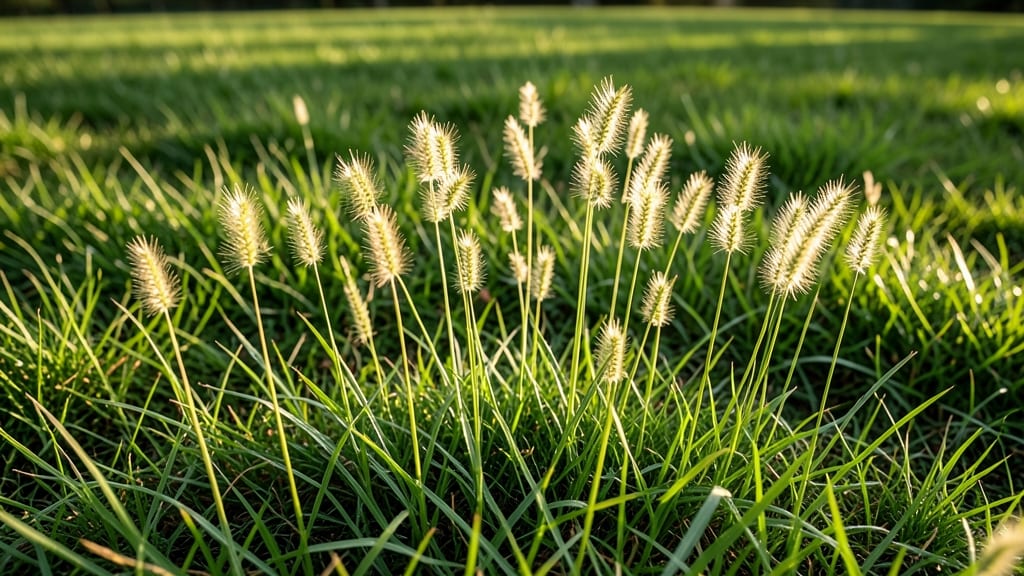
Ever noticed those mysterious seed heads popping up in your lawn during summer? These seed formations are a dead giveaway for identifying cool-season grasses like Tall Fescue or Fine Fescue—while warm-season varieties like Centipede or Bermuda rarely produce them.
Cool-season grasses develop dense, spiky seed heads that appear in late spring or summer, often turning purple or tan. Warm-season grasses, on the other hand, focus their energy on spreading through stolons or rhizomes instead of seeding. This means if you spot seed heads, you’re likely dealing with a cool-season lawn that thrives in northern climates.
This clue is especially helpful for homeowners in transition zones, where seasonal patterns can be confusing. A quick scan for seed heads can save you time on maintenance and help you tailor your lawn care routine. 🌱
Soil and Climate Adaptation Signs

Your lawn’s ability to handle drought or thrive in rich soil is a dead giveaway about its type. If your grass stays green and lush with minimal watering—even in dry spells—it’s likely a drought-resistant variety like Buffalo Grass or Zoysia. On the flip side, if it demands frequent watering and struggles in poor soil, you probably have a high-maintenance type like Perennial Ryegrass or Kentucky Bluegrass.
Pay attention to how your lawn responds to weather extremes: drought-tolerant grasses like Blue Grama or Fescue stay vibrant in arid conditions, while moisture-loving grasses like Tall Fescue or St. Augustine wilt or turn brown without consistent hydration. Even the soil itself holds clues—sandy or clay-heavy soil often indicates native, hardy grasses that don’t need perfect conditions to survive.
This insight is especially helpful for gardeners in dry climates or those looking to reduce water usage. Knowing your lawn’s soil preferences helps you adjust care routines—like adding compost for moisture-loving types or avoiding overwatering for drought-resistant ones—without guessing. 💪