
Lawn
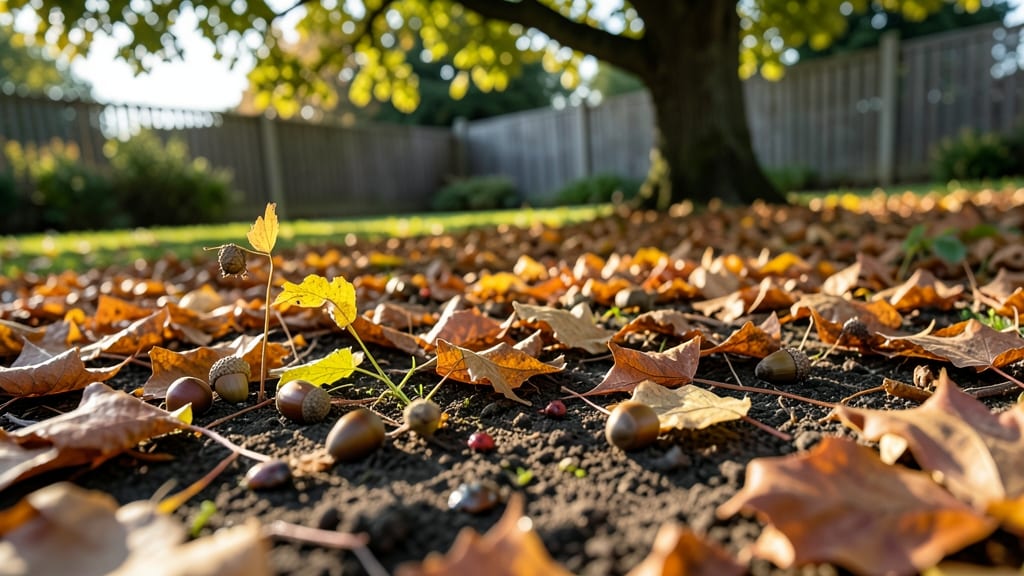
Mulching leaves into your lawn can save time and reduce waste—but is it actually beneficial? These expert-backed methods explain when, how, and why leaf mulching works (or doesn’t) for your grass, soil, and garden health.
Thin Layer Mulching for Spring Lawn Revival
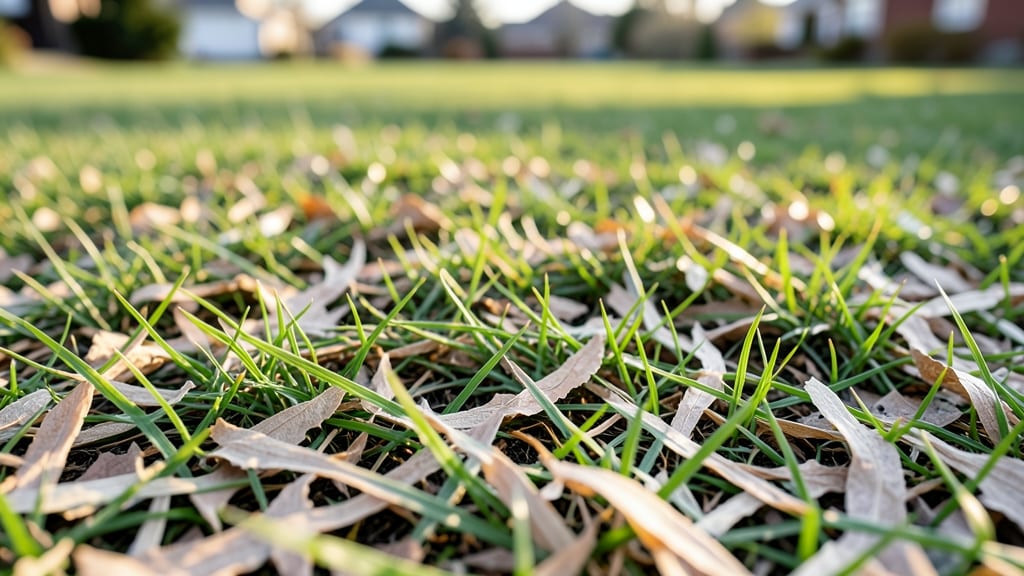
Spring is the perfect time to give your lawn a nutrient boost without the hassle of thick mulch layers. A ¼-inch layer of finely shredded leaves acts like a lightweight blanket, accelerating decomposition while letting sunlight and air reach your cool-season grasses like fescue or ryegrass.
This early spring technique prevents smothering while feeding the soil with organic matter as leaves break down. Spread leaves evenly after mowing, then lightly rake to avoid clumping. For best results, use a mulching mower or shred leaves first—this ensures they decompose quickly and won’t block grass growth.
Perfect for gardeners with cool climates or those reviving dormant lawns, this method saves time while improving soil health. Your grass will stay green and resilient all season. 💚
Fall Leaf Mulching for Winter Soil Protection
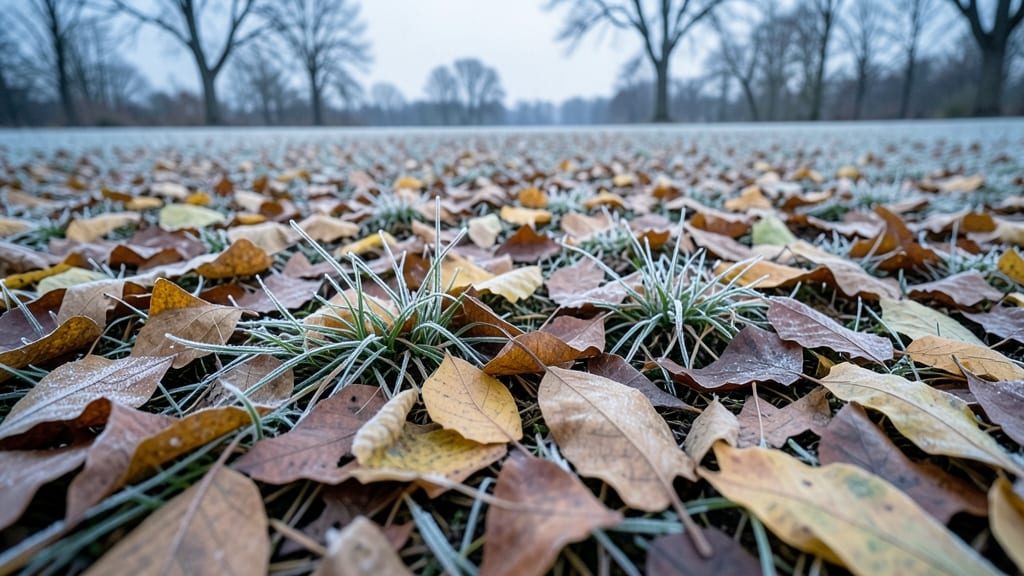
When winter’s chill arrives, a 2–3 inch blanket of leaves isn’t just decoration—it’s a survival kit for your soil. Unlike spring’s delicate approach, fall mulching prioritizes insulation and moisture retention, shielding roots from freezing temperatures and drought-prone conditions.
Spread leaves thickly over clay-heavy or drought-prone lawns before the first frost to lock in warmth and suppress weeds. The thick layer breaks down slowly, feeding soil microbes year-round while preventing erosion. For best results, shred leaves first (if possible) to speed decomposition and avoid matting. This method is especially valuable for northern climates or areas with heavy clay.
Perfect for gardeners who want to skip spring soil prep—your lawn will wake up healthier in spring, with fewer weeds and better moisture control. 🌿
Shredded Leaves for Aeration-Free Lawn Care
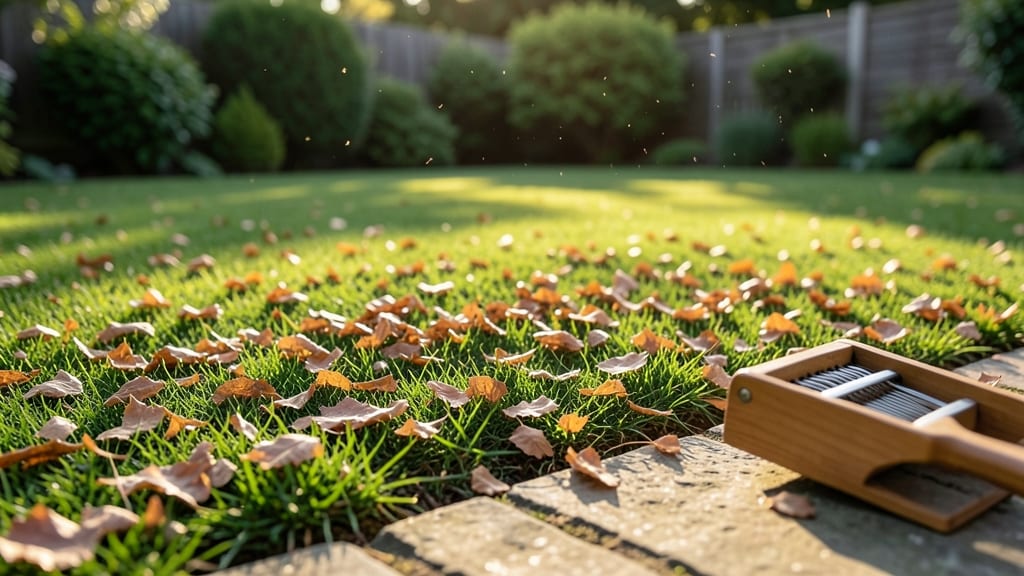
Skip the mower and the chore of raking—shredded leaves are your secret weapon for a healthier lawn without the hassle. Unlike whole leaves that smother grass, finely shredded leaves break down in weeks, feeding soil microbes and improving texture naturally.
Spread a ¼-inch layer of shredded leaves over your lawn in early fall or spring to accelerate decomposition. This method reduces thatch buildup (the spongy layer between grass and soil) while adding organic matter, which is especially helpful for high-maintenance lawns or small yards where aeration is difficult. The finer the shreds, the faster they decompose—ideal for busy gardeners who want results without extra effort.
Perfect for urban gardeners or those with limited tools, this technique transforms yard waste into a soil booster. Just avoid thick layers, which can suffocate grass—less is more for a lush, thriving lawn. 🌱
Leaf Mulching Risks for Warm-Season Grasses
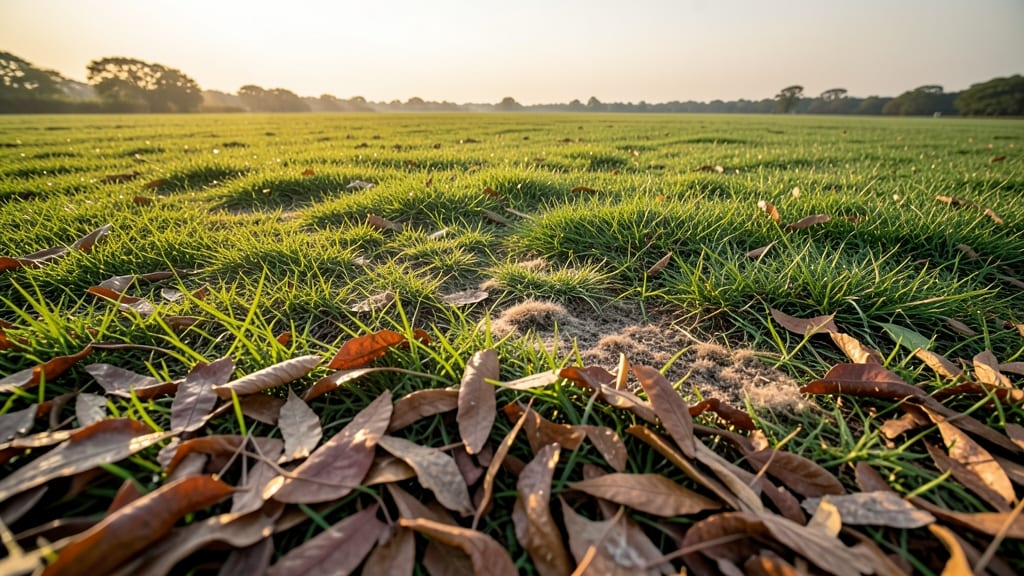
If you’re growing warm-season grasses like Bermuda or Zoysia, summer leaf mulching could be silently damaging your lawn. Thick layers of leaves block sunlight and air, creating a damp, suffocating environment that invites fungal diseases like brown patch or dollar spot.
Instead of piling on leaves, opt for a light dusting (no thicker than ¼ inch) or rake them up entirely. These grasses thrive in hot, dry conditions and need airflow to stay healthy. Even shredded leaves should be spread thinly—never left in clumps—to avoid smothering the blades.
This is especially critical for southern lawns where summer heat stresses grass. A quick raking session now can prevent weeks of patchy, weak growth later. 🌻
Compost Tea from Leaf Mulch Extraction
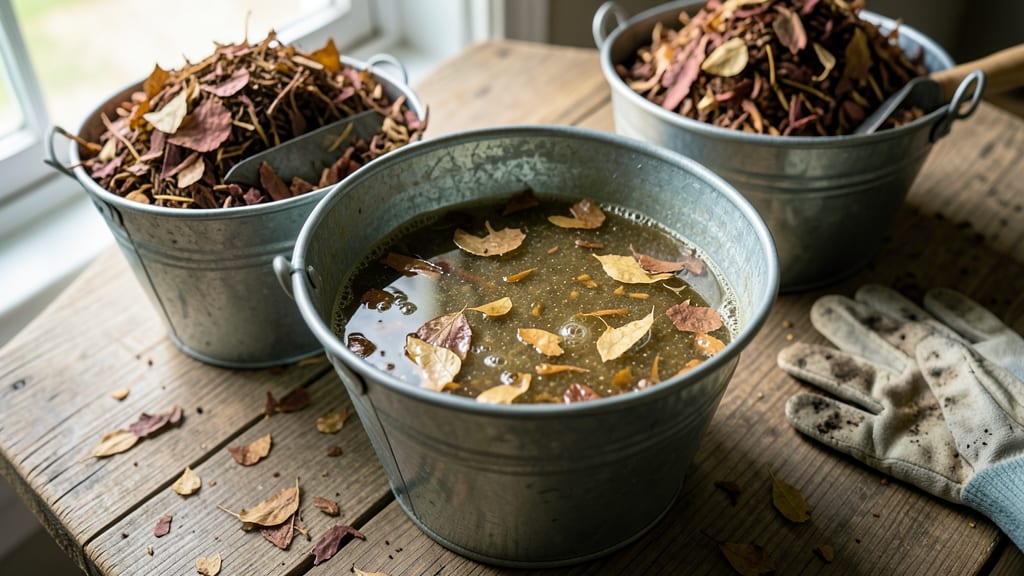
Skip the compost pile and turn your mulched leaves into a liquid gold for your garden with compost tea. Instead of letting decomposed leaves sit in your lawn, steep them in water for 24 hours to unlock a nutrient-packed fertilizer that’s especially beneficial for container plants or vegetable gardens craving a quick nutrient boost.
Start by filling a bucket with shredded, decomposed leaves (avoid whole leaves—they won’t infuse well). Add water, stir in a handful of soil or compost for beneficial microbes, and let it steep overnight. Strain the liquid through a fine mesh or cheesecloth, then dilute it 1:1 with water before applying. This low-cost, zero-waste solution is packed with nitrogen, phosphorus, and potassium, perfect for foliar feeding or watering root zones.
Urban gardeners and small-space growers will love this trick—it’s a simple way to repurpose yard waste into a highly concentrated fertilizer that works wonders for herbs, tomatoes, and leafy greens. Plus, it’s a great alternative when store-bought fertilizers aren’t an option. 💚
Leaf Mulching for Weed Prevention in Pathways
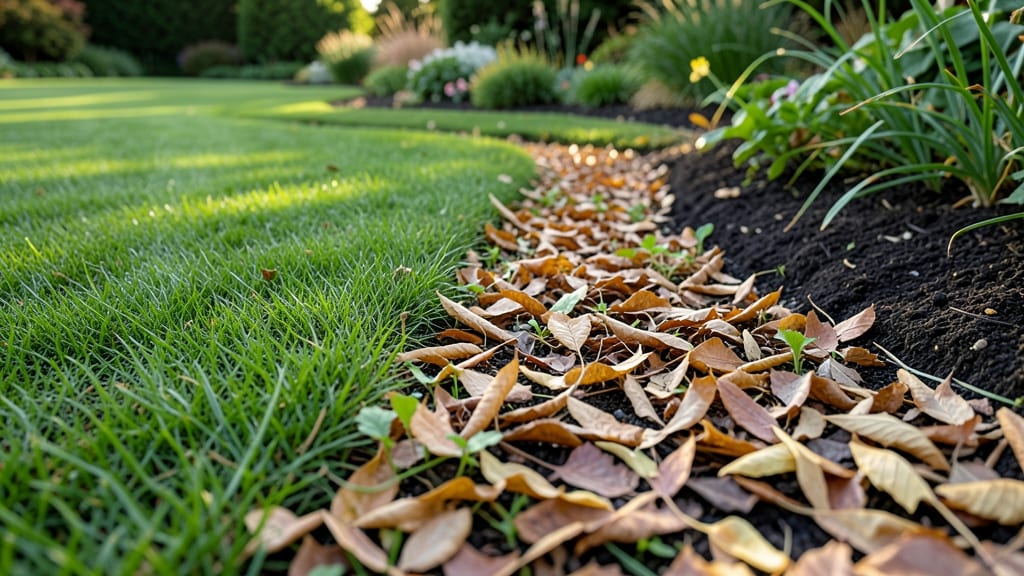
Tired of battling weeds between your lawn and garden beds? Leaf mulching in pathways creates a natural barrier that smothers weeds while keeping soil moist—without the backbreaking work of edging or weeding tools.
Spread a 2-3 inch layer of shredded leaves along the edges of perennial borders or vegetable patches. This thickness blocks sunlight from reaching weed seeds while allowing water to penetrate to plant roots. For best results, refresh the mulch in early spring before weeds germinate. This method works especially well for drought-prone areas or gardens with high foot traffic.
Perfect for gardeners who want low-maintenance borders, this technique reduces water evaporation and cuts down on weeding time by up to 80%. Your plants will thank you for the consistent moisture and weed-free growing space. 🌿
Machine vs. Manual Leaf Shredding
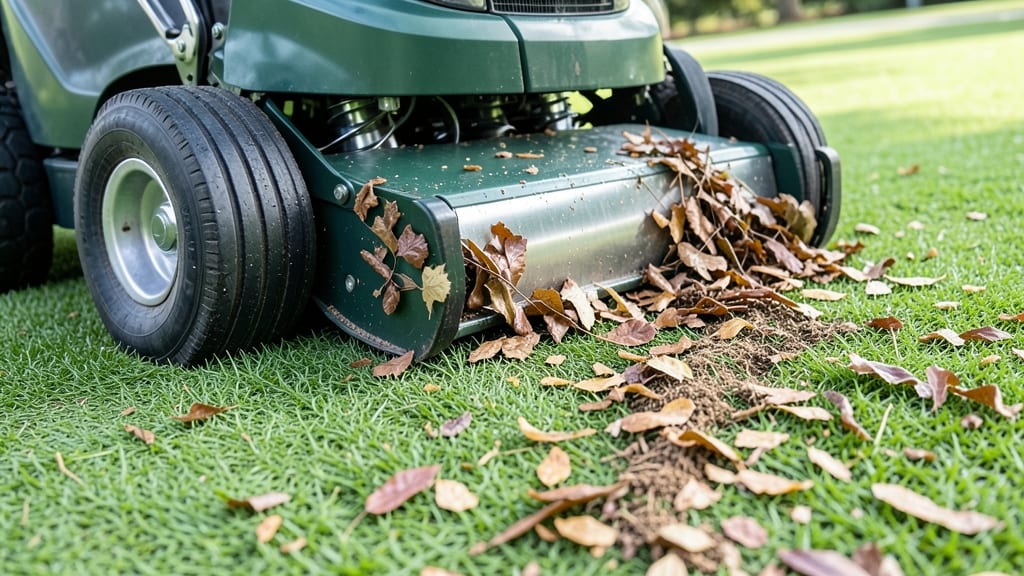
Choosing the right tool for shredding leaves can make or break your mulching success—especially for delicate grass types like bentgrass that need gentle handling. Mulching mowers are fast and efficient, but they can clog easily with thick or wet leaves, leaving you with uneven mulch and potential lawn damage.
For finer control, a lawn vacuum with a shredding attachment is ideal—it creates uniform, small pieces that decompose quickly without smothering grass. This method is perfect for small yards or high-maintenance lawns where precision matters. If you have thatch-prone grass, manual shredding also prevents clumping and ensures even distribution.
Lawn owners with fine turf or those who prioritize soil health will appreciate the consistency of hand-shredding. It’s the best choice when you want to avoid mower-related mishaps and maintain a pristine lawn. 🌿
Leaf Mulching for Clay Soil Improvement
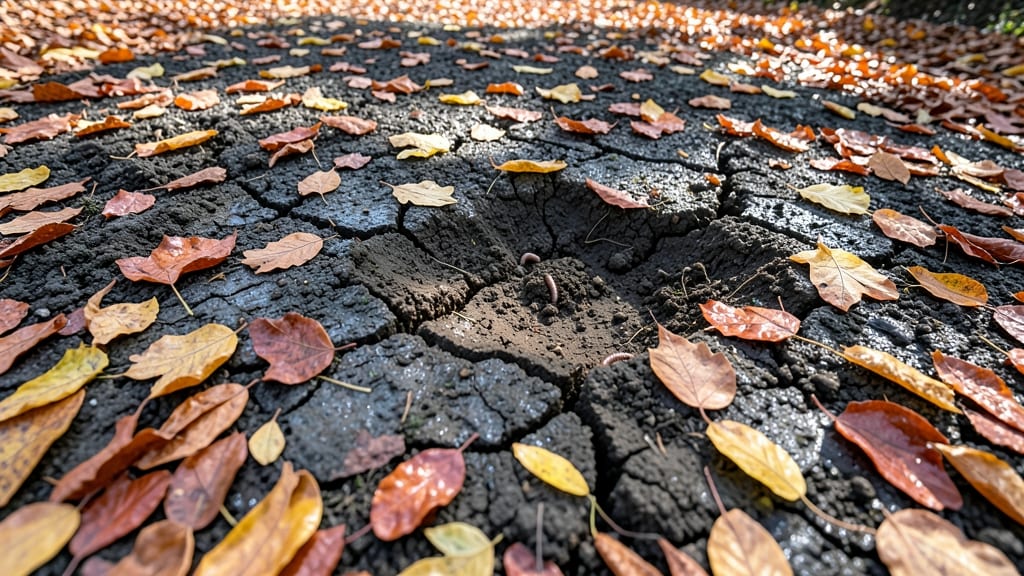
If your lawn sits on stubborn, compacted clay soil, mulched leaves could be your secret weapon for transformation. Instead of just adding organic matter, they invite earthworms—nature’s soil aerators—to break up dense clay and create a looser, more fertile growing medium.
Spread a 2-3 inch layer of shredded leaves over bare soil patches in fall or early spring. The worms will tunnel through the mulch, creating channels that improve drainage and root penetration. Over time, this process converts heavy clay into loamy soil, ideal for everything from lawn grasses to vegetable gardens.
This method is perfect for gardeners struggling with waterlogged clay or poor plant establishment. With patience, you’ll enjoy healthier roots and fewer soil compaction issues—all while recycling yard waste! 🌱
When to Rake Leaves Instead of Mulching
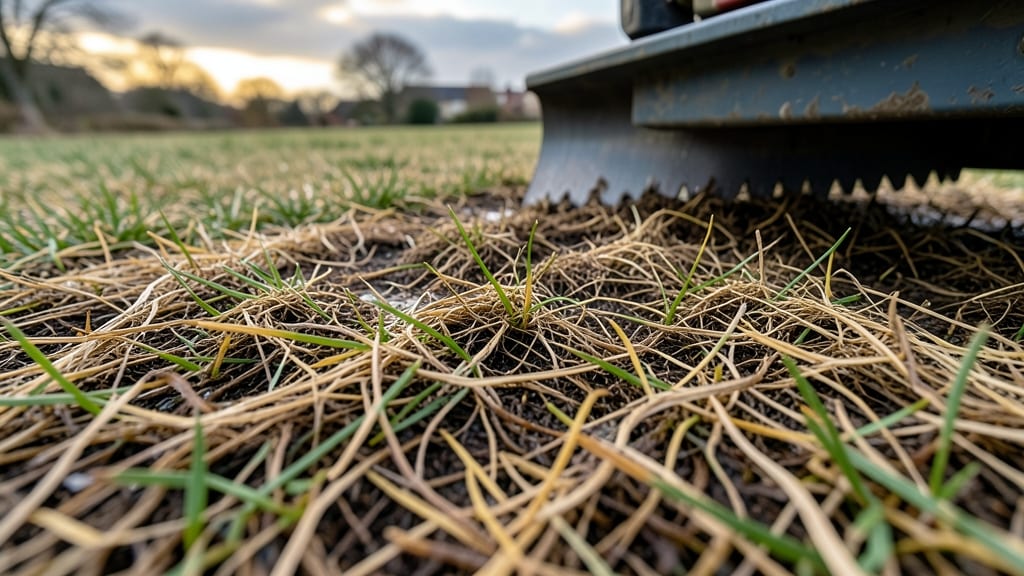
If your lawn has a thatch layer over ½ inch, mulching leaves could be doing more harm than good. While mulching works wonders for soil health, thick thatch traps moisture, smothers grass roots, and creates the perfect conditions for scalping—where the mower pulls up grass in patches.
When thatch builds up, raking leaves instead of mulching removes excess debris, allowing air, water, and nutrients to reach the soil. Focus on areas with bare spots or spongy feel—these are red flags for thatch buildup. Use a stiff-bristled rake to clear leaves completely, then consider dethatching in spring for severe cases.
This approach is ideal for high-maintenance lawns or those recovering from drought or disease. By addressing thatch first, you’ll restore grass health and prevent future scalping issues. 💪
Leaf Mulching for Pollinator-Friendly Gardens

Skip the rake this fall—your garden’s tiny residents need those leaves! Instead of clearing fallen leaves from garden edges, leave them to create a natural overwintering habitat for bees, ladybugs, and other beneficial insects. This simple act transforms your yard into a pollinator sanctuary while boosting spring biodiversity.
Focus on garden borders and wildflower patches where leaves naturally accumulate. Avoid thick piles (over 2 inches) near plants, but don’t stress about perfection—even scattered leaves provide shelter. Native bees like bumblebees and solitary bees rely on these microclimates to survive winter, emerging stronger in spring.
Perfect for eco-conscious gardeners, this low-effort strategy requires zero tools—just observe where leaves land. By spring, you’ll see more pollinators and healthier plants thriving. 🌿